
Evaluating the Impact of Trade Policies on Commodity Markets
The realm of commodity markets is significantly influenced by trade policies that nations establish. Trade policies affect how commodities are priced and traded globally, impacting producers and consumers alike. The imposition of tariffs, for example, can make imported goods more expensive, thereby increasing domestic prices for consumers. Additionally, these policies can lead to retaliatory measures from trading partners, creating a cycle of escalating costs impacting market stability. Needing to evaluate the intersection of economics and trade is vital for understanding which policies foster growth and which may contribute to diminishment in certain sectors. By assessing various nations’ trade frameworks, stakeholders can ascertain where opportunities lie or where challenges lurk. Analyzing these trade agreements also requires examining specific commodities, as different materials respond differently to policy changes. A holistic viewpoint can clarify these relationships. Policymakers might lean towards stricter regulations during volatile market conditions to stabilize the economy, simultaneously examining alternative strategies to support agricultural commodities. These complex relationships necessitate continuous analysis and observation in the ever-evolving landscape of global trade. Research into these topics provides insights necessary for creating effective trading conditions that support all stakeholders.
Evaluating the economic implications of various trade policies on commodity markets requires a deeper understanding of market dynamics. The complexities of international trade agreements can create both advantages and challenges for various stakeholders within the commodity sectors. For commodities such as oil and metals, fluctuations in demand can lead to price volatility. This can provoke governmental responses in terms of subsidies or tariffs aimed at stabilizing local economies. A comprehensive examination should encompass factors such as import restrictions and export incentives, which can lead to shifts in market equilibrium. By altering the availability of certain resources, these policies can shift the balance of scarcity, affecting supply chains. The unpredictability inherent in trade relationships further complicates this landscape. Also, factors like changing consumer preferences move in tandem with such trade policies. Therefore, assessing these details gives a wider lens for how stakeholders can adapt and thrive under varying conditions. Understanding the impacts of trade can guide businesses to formulate strategic planning decisions in procurement and production. For successful adaptation, it’s essential to prioritize flexibility in operations, equipping firms to better respond to external pressures that arise from shifting trade landscapes.
The Role of Tariffs and Subsidies
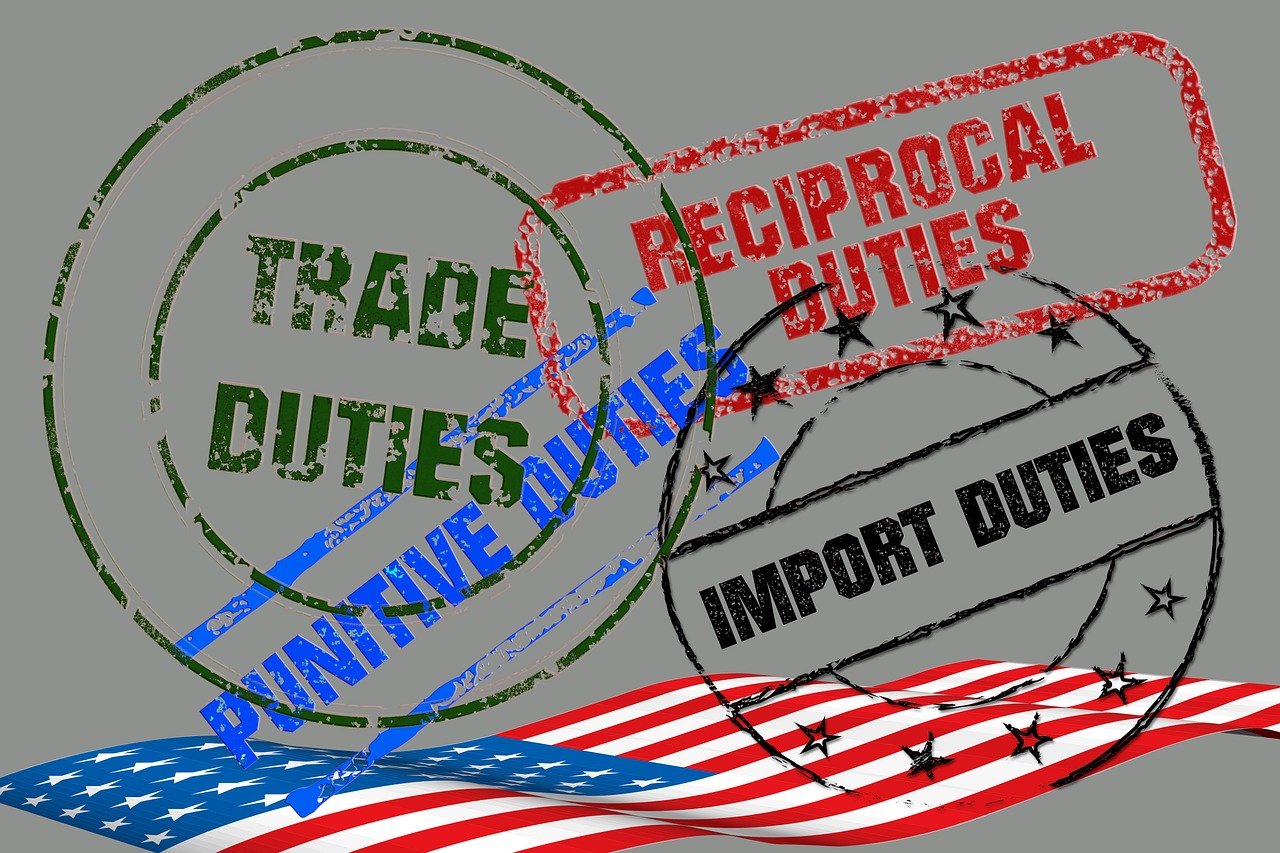
Tariffs and subsidies play critical roles in shaping commodity markets under trade regulation. Both serve as tools that can significantly influence pricing structures, domestic production levels, and international competition. Tariffs can essentially raise the cost of imported commodities, often leading to higher prices for domestic consumers. However, such policies might benefit domestic producers, offering them a competitive edge. In contrast, subsidies can incentivize local production, encouraging farmers and manufacturers to increase output, but may also distort true market prices, leading to issues of overproduction in some cases. Evaluating the effectiveness of such strategies requires ongoing analysis of trade repercussions. It is essential to explore the delicate balance that both tariffs and subsidies must maintain to foster healthy competition and market stability. Investigating the long-term effects of these instruments can provide insight into their impact on overall market dynamics, including how they can affect global supply chains. A careful examination of empirical data related to commodity prices post-implementation of tariffs and subsidies reveals a mountain of information for stakeholders aiming to foster their competitive positions in an increasingly globalized economy.
Global supply chains are intricately linked to the dynamics of trade policies, revealing a complex interplay between local production and international demand. When trade policies shift, they affect everything from sourcing raw materials to shipping finished goods. The ripple effects of these changes can lead to opportunities for innovative supply chain strategies, but they also pose significant risks. Understanding these dynamics is crucial for businesses aiming to remain competitive. Companies must proactively adapt to changing regulations and tariffs that can affect profit margins and cost structures directly. Additionally, firms might seek diversifying suppliers or exploring alternative markets as a response to tumultuous trade environments. Monitoring trade relationships and global political climates enables them to anticipate changes that could affect commodity availability and pricing. Furthermore, companies that are forward-thinking may implement technological solutions to enhance their supply chain agility, ensuring they can respond swiftly to challenges as they arise. By aligning operations closely with changes in trade policies, businesses can maintain a robust footing within their industries and better navigate the obstacles posed by the ever-evolving landscape of global commerce.
Impact on Agricultural Commodities
Agricultural commodities often feel the immediate impacts of trade policy alterations due to their perishable nature. Policies such as import quotas and export subsidies can heavily influence farming production and exportation rates. For instance, tariffs on imported food products can elevate domestic produce competitiveness but may lead to increased prices for consumers. Exploring these dimensions highlights the delicate balance between supporting local agriculture while ensuring food security for the populace. Additionally, trade relationships often influence farmers’ decision-making, impacting what crops to prioritize or diversify. In some cases, bilateral trade agreements can open up lucrative markets for farmers eager to expand their reach. Farm commodity prices can react sharply to changes in trade policy, demonstrating the need for farmers to stay informed about international developments. Agribusinesses can also use data analytics to monitor market trends and adjust strategies accordingly. The agricultural sector must remain agile, employing strategies to mitigate risks associated with trade policy changes. Understanding how the policy landscape can alter agricultural outputs enables stakeholders to optimize production and enhance market positioning amid uncertainties that affect food supply chains globally.
Energy markets, especially those concerning oil and gas, are profoundly shaped by international trade policies and agreements. The manipulation of tariffs, sanctions, and trade restrictions can have immediate consequences on supply levels and pricing. For example, the U.S. imposing tariffs on steel and aluminum imports directly impacts the energy sector by increasing the cost of production for energy companies reliant on these materials. In addition, geopolitical tensions often drive trade policy decisions that can disrupt energy supply chains. This unpredictability urges energy firms to develop risk management strategies that account for potential government interventions. Furthermore, by exploring shifting energy policies, such as those favoring renewable energy sources, companies position themselves as leaders of innovation while adapting to global trends. Understanding the nuance of international pipelines, shipping routes, and trade agreements helps energy firms navigate an increasingly interconnected commodity market. Emphasizing flexibility and responsiveness becomes a key component of overall strategy. Evaluating energy markets requires continuous monitoring of global policies and their ramifications, enabling stakeholders to make informed decisions that foster sustainability and profitability in commodity trading.
Conclusion and Future Directions
In conclusion, navigating the complex realm of commodity markets demands an astute understanding of trade policies and their far-reaching implications. A multifaceted approach to evaluating these elements aids businesses and policymakers in adapting to ongoing changes. Continuing research into the specific dynamics of various commodities and how they interact with domestic and international trade policies is essential. The interplay between market forces and regulatory approaches will continue to evolve, necessitating agile strategies from all stakeholders involved. Additionally, enhanced cooperation among nations on trade policies can foster more stable market conditions, benefiting producers and consumers. As globalization progresses, companies must leverage technology to maintain competitiveness in this highly volatile landscape. Additionally, nurturing relationships with policymakers can increase firms’ influence when advocating for favorable conditions in the commodity markets. Future research should focus on predictive analytics to model potential outcomes based on varying trade policies. Understanding and remaining responsive to these factors will empower stakeholders in commodity markets to leverage opportunities and mitigate risks associated with market fluctuations. Ultimately, adaptability will be critical for success in the dynamic world of commodities amid changing trade environments.
Continuing to explore the relationship between trade policies and commodity markets provides essential insights for stakeholders. Policymakers, businesses, and consumers alike benefit from understanding these dynamics. Each group can make informed decisions that align with current market conditions. By analyzing trends and outcomes, the strategies employed can be refined over time, leading to stronger engagement with market realities. Institutions and academia should collaborate to further develop research on this topic, enhancing the body of knowledge available. Together, we can create more comprehensive models that predict the outcomes of policy changes and their effects on commodities. Leveraging shared knowledge among nations softens the impact of market volatility and uncertainty. Emerging trends such as sustainability initiatives must not be overlooked, as they have significant implications for future commodities. By prioritizing environmental considerations alongside economic strategies, stakeholders can position themselves for long-term success. The future of commodity markets hinges on adaptability, cooperation, and the willingness to change in response to new challenges and opportunities. Investing in education and understanding will be paramount for all involved as we navigate the complexities of the ever-evolving global market landscape.