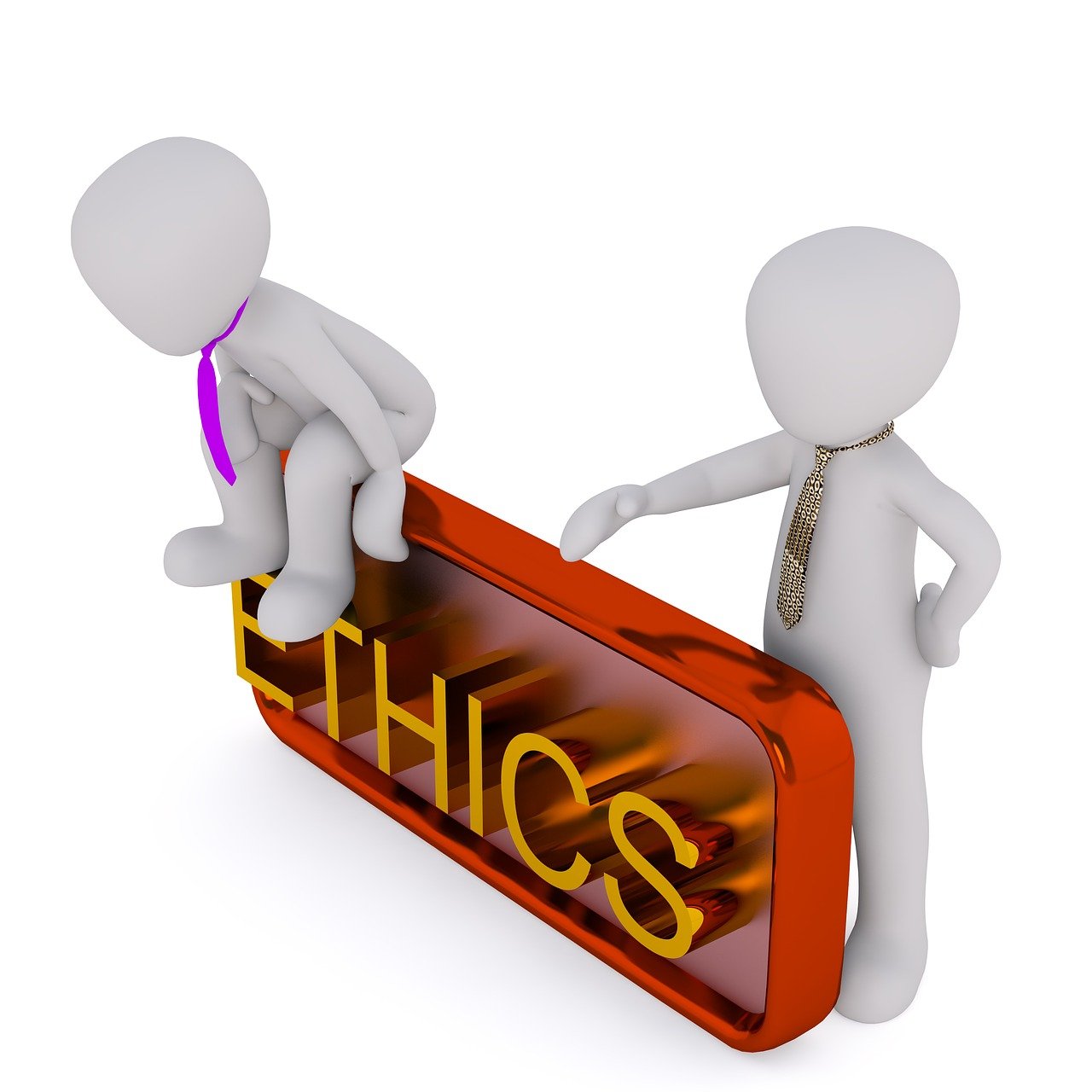

The Role of Honesty and Integrity in Business Ethics
Honesty and integrity are fundamental principles in the realm of business ethics. Organizations that prioritize these values tend to create a culture of trust and transparency, significantly enhancing workplace morale. Such a culture encourages open communication, leading to improved employee engagement. In today’s competitive landscape, businesses need to establish customer trust for long-term success. Unwavering honesty not only attracts clients but cultivates relationships grounded in reliability. When businesses uphold integrity in their dealings, they are more likely to enjoy loyal customer bases. Furthermore, consistent ethical behavior can set them apart from less scrupulous competitors. Business ethics, therefore, hinges significantly on the commitment exhibited by leaders. Senior management must model these behaviors, demonstrating a corporate identity anchored in ethical standards. Codes of conduct should explicitly highlight the importance of honesty and integrity. These codes guide employees in decision-making processes, fostering environments where ethical dilemmas can be resolved effectively. Therefore, business ethics is not simply a compliance issue; it is a testament to an organization’s core values. Such commitment can improve a company’s public image, ultimately enhancing overall business performance.
The integration of honesty and integrity into business operations also extends beyond internal stakeholders. Companies that practice transparency in their dealings with suppliers, partners, and the community foster cooperative relationships that benefit all parties involved. This creates a ripple effect wherein ethical practices are adopted throughout the supply chain, promoting a broader culture of responsibility. Moreover, organizations that embrace ethical principles often contribute positively to the community, reinforcing their social responsibility. By being forthcoming about business practices, companies can build trust with their stakeholders, which is pivotal in managing crises when they arise. Trust becomes a shield that protects businesses during challenging times. Additionally, ethical behavior can have economic advantages. Companies known for their integrity typically witness lower turnover rates, as employees prefer to work in environments that align with their values. This enhances productivity and reduces recruitment costs for the organization. The long-term benefits of embedding honesty and integrity into a company’s culture are immense. It creates a legacy of ethical performance that resonates with future generations of employees and leaders, setting a benchmark for business practices well into the future.
Honesty in Business Practices
Honesty manifests in various aspects of business practices, particularly in advertising and product claims. Misleading information can tarnish a company’s reputation and lead to legal consequences. Therefore, maintaining accuracy in promotions is vital for sustaining customer trust. Advertisers should strive for transparency, ensuring that clients receive truthful depictions of products and services. Honest businesses encourage informed decision-making among consumers, allowing them to feel confident in their purchases. Furthermore, ethical marketing practices contribute to positive brand identity and reputation. Customers are more likely to advocate for companies that align with their values. In this regard, honesty serves as a competitive differentiator. It plays a crucial role in customer retention. When consumers feel misled, they tend to withdraw their loyalty swiftly. Conversely, companies that embody honesty tend to foster long-term relationships with clientele. This opens avenues for repeat business and referrals, which are vital for growth. The essence of honesty in business extends to performance reporting as well. Being truthful about company metrics helps stakeholders make informed decisions, nurturing a holistic view of the organization’s health and credibility. In this context, honesty is the backbone of sustainable business practices.
Integrity complements honesty and involves adhering to moral and ethical principles even when faced with adversity. Businesses that uphold integrity navigate challenges with a sense of responsibility and ethics. Leaders who prioritize ethical considerations inspire their teams to do the same, thereby cultivating a values-driven workplace environment. Moreover, integrity fosters accountability. Employees are more likely to take ownership of their actions in an organization that emphasizes ethical principles. This accountability enhances problem-solving capabilities among teams, enabling them to work collaboratively towards ethical resolutions. Integrity also plays a crucial role in reputation management. Companies known for their commitment to ethical practices can weather public scrutiny more comfortably than those with compromised integrity. When incidents arise, reputation protects ethical businesses, allowing them to recover from mishaps while maintaining stakeholder trust. Strong integrity can prevent ethical lapses. Organizations that engrain integrity into their day-to-day operations often develop frameworks for dealing with ethical dilemmas. These frameworks equip employees to make decisions that align with the company’s values when challenges arise. Therefore, fostering integrity is instrumental for the long-term sustainability and success of organizations operating in today’s ethical landscape.
The Long-term Impact of Ethical Practices
Organizations that embody honesty and integrity not only thrive in the present but create a robust framework for future success. Long-term benefits include enhanced customer loyalty and improved brand reputation. Ethical companies often experience greater consumer trust, which translates into financial advantages and sustainable growth. Furthermore, such organizations are more resilient in economic downturns. They are often seen as safe havens for investors and customers alike. Trust allows these companies to expand their markets and develop new products with confidence. Ethical practices also resonate strongly with millennials and Gen Z, who prioritize sustainability and social responsibility in their purchasing decisions. Brands that fail to recognize these shifts may find themselves struggling to connect with younger demographics. Organizations can ensure continuous relevance by adopting ethical practices that resonate with changing consumer expectations. Such commitment to ethics also prepares companies for regulatory changes. Organizations built on a foundation of honesty and integrity are better equipped to adapt to evolving business laws and standards. By consistently aligning with ethical practices, companies position themselves for ongoing success and build an enduring legacy that can transcend generations.
The process of integrating honesty and integrity into company culture often involves comprehensive training programs and workshops. Such initiatives are paramount for ensuring employees understand the significance of ethical behavior and decision-making processes. Investing in employee education not only promotes compliance but also fosters a sense of ownership and commitment to company values. When employees recognize the importance of their actions, they are more likely to uphold ethical standards in their work. Furthermore, open dialogue about ethical challenges encourages a proactive approach to addressing potential moral dilemmas. Leadership should create safe spaces for discussions about ethics, where employees feel valued and empowered to voice concerns. Such environments promote transparency and accountability, ensuring that ethical considerations remain at the forefront of business practices. Additionally, incorporating feedback loops in training allows for continuous improvement and adaptation of ethical policies. By routinely revising these initiatives based on employee experiences and external changes, businesses can maintain relevance in the fast-evolving ethical landscape. The integration of ethics training is an ongoing effort essential to reinforcing a culture rooted in honesty and integrity.
Conclusion on Honesty and Integrity
In conclusion, honesty and integrity are indispensable in cultivating a robust ethical framework for businesses. Their influence on reputation, workplace culture, and customer trust cannot be overstated. Companies that prioritize these values experience manifold benefits, including a loyal customer base and resilient market positioning. Leaders play a pivotal role in modeling these values, as their influence trickles down to employees. A culture where honesty is valued fosters engagement and accountability. This process creates a nurturing environment for ethical decision-making. Furthermore, the long-term impact is evident, with ethical businesses enjoying better financial performance and adaptability. As society increasingly demands corporate responsibility, businesses must embrace honesty and integrity to stay relevant. This responsibility stretches beyond mere compliance; it is about creating lasting connections with stakeholders and promoting ethical behavior across all levels. By reinforcing an ethical framework, businesses not only thrive but contribute positively to society. Therefore, integrating honesty and integrity into business practices ensures longevity and sustainability for companies aiming to make lasting impacts.
In a world where consumers hold brands to higher standards, the importance of truthfulness and principled conduct in business is becoming increasingly prominent. As businesses strive to succeed in an ever-changing environment, those that adopt and practice honesty and integrity as their core pillars will ultimately pave the way for a more ethically sound business landscape. Therefore, businesses must take proactive steps to instill these values within their culture, ensuring that current and future employees acknowledge the significance of acting ethically. This journey may be challenging yet rewarding. When businesses commit to such values, they not only enhance workplaces but contribute positively to the broader community. Business ethics grounded in honesty and integrity will remain vital for organizational success and sustainability.