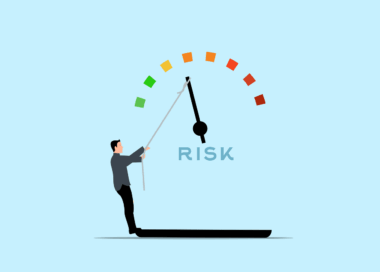

Financial Instruments to Hedge Against Trade Risks
In the world of international trade, businesses face a multitude of risks that can affect their operations and profitability. Trade risks include fluctuations in currency exchange rates, changes in market demand, and unexpected political situations. To effectively manage these risks, companies often turn to various financial instruments that help mitigate potential losses. Hedging is the process by which a company protects itself from adverse price movements. This can be achieved through several tools and strategies, which will be explored in detail. Understanding and engaging in hedging allows businesses to approach international trade with more certainty and stability. When properly executed, hedging strategies can enhance a company’s financial performance, providing flexibility in operations while minimizing exposure to market volatility. These instruments can be tailored to fit specific needs, making it easier for companies to navigate the complexities of global trade. By employing effective risk management strategies, businesses can focus on growth and expansion without being overly concerned about unpredictable market dynamics, which is the ultimate goal of engaging in international trade during today’s economic climate.
One popular financial instrument used for hedging against trade risks is the forward contract. Forward contracts allow companies to fix an exchange rate for a future date, essentially locking in costs. This is particularly advantageous in times of economic uncertainty, where currency values may fluctuate significantly. Companies that deal in multiple currencies mitigate their exposure to exchange rate fluctuations using forward contracts. By agreeing to exchange one currency for another, businesses can ensure they know precisely how much they’ll pay or receive later. Another instrument is the currency swap, which involves exchanging principal and interest payments in different currencies. This arrangement allows firms to secure better financing conditions than they would have as individual entities. Additionally, options can be employed to give companies the right, but not the obligation, to exchange currency at a predetermined rate. Options provide flexibility and can effectively hedge against worst-case scenarios. Each instrument has unique characteristics and applications, and understanding these can help businesses manage their trade risk profiles effectively while maximizing their potential for success in the global marketplace.
Another financial instrument that aids in hedging against trade risks is the futures contract. Futures contracts are similar to forward contracts but are standardized and traded on exchanges, making them more liquid. This added liquidity can be beneficial for companies looking to enter or exit positions swiftly. By locking in prices for commodities or currencies, businesses can guard against fluctuations that may impact their bottom line. Futures contracts are often used in conjunction with other hedging strategies to create a more robust risk management framework. Moreover, options could be utilized with futures to enhance flexibility. Additionally, establishing offsetting positions in various markets can create a natural hedge, enabling firms to stabilize their financial performance in varying market conditions. Many companies also employ financial derivatives for this purpose, allowing them to create complex strategies tailored to specific risk profiles. Properly utilized, these instruments can provide substantial returns while lowering exposure to adverse market conditions. Consequently, businesses that leverage futures and options become more resilient against trade uncertainties, fostering sustained profitability and competitiveness in the ever-evolving global landscape.
Trade Credit Insurance as a Safeguard
Trade credit insurance is a vital tool that shields businesses from the risk of buyer insolvency, ensuring that companies receive payment for the goods or services they provide internationally. This financial instrument is crucial for maintaining cash flow in trade transactions. It protects businesses against potential losses arising from non-payment by buyers, which can result from various factors such as economic downturns or substantial fluctuations in demand. By investing in trade credit insurance, companies enhance their security when entering new markets or expanding existing operations, knowing they have financial protection in place. Insurers assess the creditworthiness of clients, eliminating the need for companies to evaluate every potential buyer individually. Additionally, trade credit insurance can enable longer payment terms, fostering better business relationships. It allows firms to offer more competitive credit options while safeguarding against potential defaults. By employing this type of insurance, businesses can confidently pursue international contracts, grow their sales, and gain a competitive edge. As global trade continues to evolve, understanding the implications of such insurance can prove instrumental in managing trade risks effectively.
Utilizing interest rate derivatives is another method to manage trade risks. Interest rate swaps, for example, allow companies to exchange fixed rates for floating rates, or vice versa. This can be particularly useful for businesses that have exposure to fluctuating interest rates on loans tied to trade finance. By converting their interest obligations, firms can stabilize their cash flows and reduce their overall interest burden. Additionally, companies involved in international operations often hedge against changes in interest rates to protect their investments and ensure predictable costs. This is particularly critical for those with multi-currency loans, as changing rates can significantly impact profitability. Through effective use of interest rate derivatives, businesses can navigate the uncertainty of economic conditions and reduce the likelihood of financial distress created by sudden interest spikes. Engaging in comprehensive hedging strategies that include interest rate management can help maintain smooth operations across various markets. Therefore, companies seeking to expand internationally need to incorporate such instruments into their risk management toolkit to protect their investments and ensure ongoing financial stability.
Legal and Regulatory Considerations
When applying financial instruments to hedge against trade risks, it is essential to consider the legal and regulatory frameworks in the relevant jurisdictions. Different countries impose various regulations governing hedging activities, which can significantly impact the effectiveness of these strategies. Businesses need to stay informed about these regulations to align their hedging practices with local laws. Compliance helps prevent potential legal disputes and ensures that companies can execute their strategies transparently. Additionally, evolving trade agreements and tariffs can add layers of complexity to a firm’s risk management strategy. Understanding the transnational implications of these agreements is crucial for effective decision-making. A comprehensive understanding of the legal landscape allows companies to craft tailored hedging strategies that incorporate these regulations. Furthermore, firms must be vigilant about the tax implications of their hedging activities, as this can impact overall financial performance. By proactively addressing these legal factors and incorporating them into risk management frameworks, businesses can enhance their resilience against trade uncertainties and support sustained operational success.
Lastly, understanding the importance of integrating financial instruments into a broader risk management strategy is critical for businesses engaging in international trade. While individual hedging tools can provide significant benefits, their true effectiveness often lies in a holistic approach. Companies must evaluate their overall risk profile and tailor their strategies accordingly. This means considering not only financial instruments but also operational factors, market conditions, and geopolitical risks. A diversified risk management strategy should encompass a range of financial instruments for effective trade risk management. This can include a mix of forward contracts, options, credit insurance, and interest rate derivatives. Equally important is employee training in risk management practices and fostering a strong organizational culture around risk awareness. By embracing a comprehensive strategy that encompasses both financial and operational perspectives, businesses can fortify their resilience to uncertainties in international trade. Ultimately, proactive risk management facilitated by financial instruments enables firms to thrive in global markets, ensuring they remain competitive and agile in a constantly changing economic landscape.
In summary, financial instruments play a pivotal role in hedging against trade risks faced by businesses engaged in international trade. By incorporating tools such as forward contracts, futures, and options, companies can effectively mitigate exposure to fluctuations caused by market dynamics. Additionally, trade credit insurance and interest rate derivatives enhance financial protection against insolvencies and interest rate variations. It is essential to consider the legal and regulatory environment when implementing these strategies, as compliance with local laws is paramount for successful risk management. Furthermore, firms should adopt an integrated approach, recognizing that a comprehensive strategy involving diverse financial instruments and careful analysis of overall risk profiles is critical. Successful businesses will assess their unique risks and tailor their hedging strategies accordingly. Continuous employee training and fostering a culture of risk awareness can significantly strengthen a company’s risk management framework. Ultimately, the effective utilization of financial instruments not only safeguards firms but also empowers them to pursue growth opportunities with confidence. By mastering trade risk management through strategic hedging, organizations can stabilize their operations and make informed decisions in an ever-evolving global market.