
The Synergy Between Workflow Automation and CRM Analytics
Workflow automation complements CRM analytics by streamlining processes while providing insightful data for decision-making. Integrating automation within a CRM system enhances overall efficiency, allowing businesses to maintain focus on customer relationships. Automated workflows enable teams to manage tasks such as follow-ups and notifications without manual intervention. As a result, organizations can maximize productivity and reduce errors significantly. This synergy leads to increased customer satisfaction as automated systems ensure timely responses to client inquiries. Moreover, businesses can leverage analytics to identify patterns in customer behavior, enabling tailored experiences based on individual preferences. Effective implementation of automated workflows allows for a consistent engagement strategy, fostering a stronger bond with customers. By automating repetitive tasks, organizations can allocate resources effectively, enhancing team collaboration. The analysis of CRM data generated from these workflows provides a comprehensive view of customer interactions. In doing so, businesses can develop strategies that resonate with clients, ultimately leading to better retention and conversion rates. Furthermore, automation frees up time for employees to focus on high-value tasks that drive growth.
Additionally, combining workflow automation with CRM analytics enables businesses to track performance metrics seamlessly. Every interaction within the CRM system generates valuable data that feeds into analytical tools. These tools allow organizations to assess the effectiveness of various workflows, leading to adjustments that improve overall function. For instance, by analyzing data from automated workflows, businesses can identify which processes are thriving and which require tweaking. Metrics such as response time and closure rates can be monitored in real-time, allowing for swift corrective measures. This level of agility not only improves operational efficiency but also lowers customer churn rates. Moreover, workflows can be designed based on analytics trends, ensuring that customer needs are met proactively. Through these insights, organizations can customize their services or products, tailored precisely to client requirements. The result is a competitive advantage marked by a strong customer focus. Additionally, integrating feedback mechanisms within automated workflows provides direct insight into customer satisfaction. By acting on this feedback, companies foster a culture of continuous improvement.
Furthermore, the relationship between workflow automation and CRM analytics is driven by data accuracy. Automated workflows help maintain accurate records by minimizing human input errors. This accuracy is paramount for reliable analytics, as even minor discrepancies can lead to misguided strategies. When workflows automatically update customer information, it ensures consistency across the organization’s data landscape. Therefore, CRM analysis can rely on precise data points to generate meaningful insights. Moreover, robust data collection from every interaction opens doors for deeper analyses. Businesses can segment customer data more effectively, enabling personalized marketing approaches. Leveraging this segmented data, organizations can design targeted campaigns that resonate with specific segments. This personalization leads to higher engagement rates as clients receive relevant offers tailored to their interests. Additionally, CRM analytics can reveal cross-selling and upselling opportunities, enhancing revenue streams while fostering customer loyalty. As a result, automation becomes not just a process tool but also a catalyst for innovative strategies. Companies that capitalize on these initiatives often see significant improvements in customer lifetime value and overall satisfaction.
Enhancing Customer Experience
Integrating workflow automation in CRM strategies profoundly enhances customer experience. When processes are streamlined, clients encounter consistent service without delays. For instance, automated notifications regarding purchases or service updates keep customers informed, minimizing uncertainty. In a world where customer expectations are continuously evolving, timely updates foster trust and reliability. Furthermore, automating feedback requests post-interaction provides immediate insights into customer sentiments. This feedback loop is essential for continuous improvement of products and services. Businesses can adapt quickly to changing preferences based on real-time customer insights collated through the CRM analytics framework. The seamless connection between automation and customer-centric strategies builds a comprehensive experience that nurtures loyalty. Additionally, organizations can ensure that their messages reach customers at optimal times, increasing engagement chances significantly. For example, scheduling email campaigns based on customer behavior analysis can lead to higher conversion rates. As a result, organizations can cultivate long-lasting relationships and brand advocates who promote their services organically. Ultimately, a synergized approach ensures that every aspect of the customer journey is accounted for, leading to a win-win scenario for both businesses and clients.
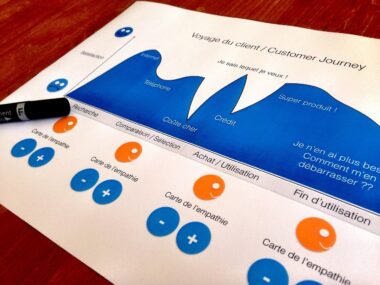
Moreover, CRM analytics empower businesses to preemptively address customer challenges through insightful data interpretation. For instance, when workflow data indicates a recurring issue among a subset of customers, companies can take proactive measures to mitigate the problem before it escalates. This proactive problem identification fosters customer trust; clients appreciate when businesses demonstrate foresight. Furthermore, by utilizing data visualization tools, organizations can share these insights across departments fostering a unified strategy. Consequently, every team, from marketing to support, can collaborate efficiently to enhance the customer journey collectively. The integration ensures that client experiences are not disjointed but rather fluid, reflecting a collaborative approach focused on satisfaction. Additionally, aligning team goals with customer needs enables organizations to establish a culture centered on service excellence. Regular training sessions emphasizing the importance of utilizing CRM analytics ensure that employees can access the insights required to fulfil customer expectations effectively. By continually refining processes through this integrated approach, businesses can pivot their strategies, ensuring they remain competitive while fostering enduring customer loyalty.
Driving Business Growth
Furthermore, effective integration of workflow automation and CRM analytics can drive significant business growth. Organizations that harness the power of automated systems can respond swiftly to market shifts, seizing opportunities that manual processes might miss. Expansive outreach becomes possible when processes are efficient, catering to broader audiences without sacrificing quality. Increased efficiency reduces operational costs, allowing finances to be redirected toward growth initiatives, such as product development or marketing. By analyzing customer data, businesses can identify emerging trends that may signal potential lucrative ventures. Companies that are agile tend to pivot faster, creating products or services aligned with current market desires. Through effective automation, businesses can support these launches with targeted marketing campaigns designed through CRM analytics. For instance, launching a new product necessitates precise targeting, and analysis of previous customer data can inform marketing strategies that resonate with prospective clients. Additionally, organizations can identify high-value customers through data analysis, ensuring that sales efforts are focused where they yield higher returns. By combining workflow automation and CRM, companies enhance their overall agility and responsiveness to market demands, ultimately driving profitable growth.
Finally, organizations must explore innovative solutions available within the realms of workflow automation and CRM analytics. Emerging technologies such as artificial intelligence (AI) and machine learning significantly enhance these systems’ capabilities. AI-driven analytics enable businesses to predict customer behaviors more accurately and adjust their strategies proactively. Machine learning algorithms can identify patterns and trends that escape traditional analytical methods, ensuring a comprehensive view of customer dynamics. By adopting these technologies, organizations further streamline their workflows, reducing time spent on repetitive tasks while improving overall accuracy. As a result, employees can focus on strategic initiatives that directly impact company growth. Moreover, integrating new technology reduces operational risks associated with manual processes, fostering an environment conducive to innovation. Companies that embrace these advancements are poised to outperform competitors who may still rely on conventional methods. In conclusion, the synergy between workflow automation and CRM analytics creates a powerhouse for businesses aiming for sustainable growth; those leveraging these tools captivate customers and pioneer trends in their industries. The future of customer relationship management lies in automation and intelligent data analysis.
In conclusion, the analysis of CRM performance metrics shows the positive impact of integrating these two powerful systems. By understanding customer interactions through CRM analytics, businesses can develop tactical workflows that enhance customer satisfaction. Moreover, automating mundane tasks ensures that employees can direct their efforts toward meaningful exits in customer engagement strategies. As the market landscape continues to evolve, organizations must remain adaptable, ready to pivot based on analytical insights. Those who effectively harness the link between workflow automation and CRM analytics will set themselves apart from competitors. These organizations are not just reactive but proactive, anticipating customer needs and challenges with precision. Furthermore, the collaboration fostered through data sharing creates a holistic view of the customer journey. Staff members across departments can contribute toward seamless experiences by maintaining consistent communication fueled by accurate insights. Therefore, investing in these technologies is no longer optional but a strategic necessity in today’s competitive market. Companies committed to evolving will likely maintain loyal customer bases, ultimately translating to sustained profitability and growth over time.