
Security Best Practices for Mobile CRM Access
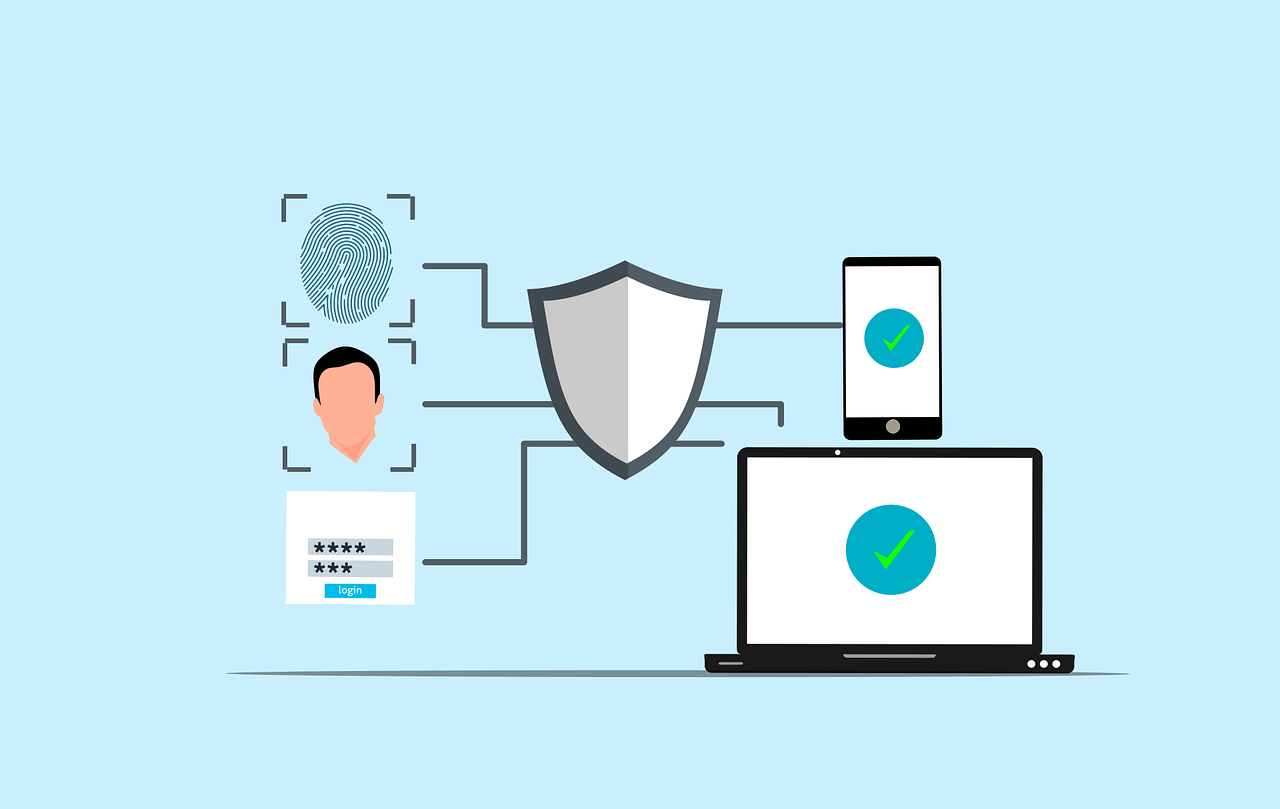
Ensuring the security of Mobile Customer Relationship Management (CRM) access is crucial in today’s digital landscape. Companies that rely on mobile CRM solutions must implement strong security measures to protect sensitive data. With the increasing trend of remote work and mobile access, it’s vital for organizations to educate employees about the risks associated with mobile devices. Regular employee training can significantly mitigate security vulnerabilities. One effective practice is to enforce the use of strong, unique passwords that combine letters, numbers, and symbols. This makes it more difficult for unauthorized users to breach CRM systems. Furthermore, multi-factor authentication should be implemented to provide an additional layer of security. Whenever possible, utilize biometric methods such as fingerprint recognition or facial recognition for mobile application access. Updating software promptly is also essential, as manufacturers often release security patches to protect against new threats. Ultimately, a culture of security awareness within an organization leads to better protection of customer data and compliance with regulations.
Another factor to consider is the use of secure connections when accessing mobile CRM systems. Avoid public Wi-Fi networks whenever possible, as they are often vulnerable to attacks. If remote work is necessary, employing a Virtual Private Network (VPN) can help protect sensitive information transmitted over the internet. This encrypts your data and masks your IP address, providing a secure channel for communication. It also prevents hackers from intercepting information as it travels between devices. Regularly reviewing device security settings is also vital. Ensure that encryption is enabled on devices used to access CRM systems. Additionally, establish policies for erasing data from devices that are lost or stolen, to minimize the risk of exposure. Implementing remote wipe capabilities ensures that sensitive information is deleted immediately. Ensure that only authorized personnel have access to sensitive information by setting up role-based access controls in your CRM application. This way, employees only access data necessary for their role, reducing the potential damage in case of unauthorized access.
Data Backup and Recovery Strategies
Data loss can occur due to various reasons, including device theft or software failures. Having a robust backup and recovery strategy for your mobile CRM is essential. Regular backups of data ensure a safety net that prevents loss of important customer information. Utilize cloud-based services that provide automated backup solutions for mobile CRM access, as these often have enhanced security features. Ensure that backup data is encrypted both at rest and in transit, protecting it from unauthorized access. Establish clear guidelines for how often backups occur, and verify that data is retrievable and intact during restoration tests. Additionally, educate employees on how to recognize potential security threats and what steps to take if they suspect a breach. They should know who to contact and the procedures for reporting security incidents. A well-informed employee base acts as the first defense line against security threats. Moreover, regularly test your incident response plan to ensure that your organization can swiftly and effectively respond to any security incidents that may arise.
Engaging in third-party due diligence is another significant aspect of securing mobile CRM access. When partnering with third-party vendors, it is vital to assess their security measures and protocols. Inquire about their data protection policies and how they handle sensitive information. Ensure that these third-party providers comply with relevant standards, such as GDPR or CCPA, based on your industry requirements. Conduct regular audits of these partners to ensure they maintain high-security standards and that their practices align with your organization’s guidelines. Allowing external parties to access your CRM system can increase risks, but thorough vetting and continuous monitoring can help mitigate those threats. Stay informed about new security threats and adapt your policies accordingly. Regularly update your compliance framework based on evolving regulations to ensure ongoing adherence and protection for your customers. Moreover, ensure that your CRM systems have robust logging capabilities, allowing you to track access and changes to data. This not only helps in identifying potential breaches but also aids in auditing and compliance.
Implementing Security Policies
Establishing a comprehensive suite of security policies is a vital practice for mobile CRM access. Define clear guidelines for mobile device usage within your organization, outlining what is permissible and what isn’t. Ensure all employees understand these policies and the consequences of non-compliance. Include specific procedures for reporting lost or stolen devices to quickly mitigate risks. Furthermore, ensure that all mobile devices accessing CRM applications have proper security software, including antivirus and antimalware solutions. This helps protect devices from malicious attacks that could compromise customer data. Conduct regular security assessments to evaluate the effectiveness of your mobile CRM security measures. Adjust policies as necessary to address newly discovered vulnerabilities or changes in technology. By regularly reviewing your security protocols, you can stay one step ahead of potential attacks. Incorporate security accountability into performance evaluations for employees. When employees know their actions regarding security are being monitored, they are more likely to adhere to best practices and safeguard sensitive data actively. Ultimately, effective management of mobile CRM security leads to better protection of customer relationships.
Finally, it’s essential to engage in continual improvement of your mobile CRM security practices. Regularly review the latest developments in cybersecurity to stay ahead of potential threats. This includes keeping up with technology trends that may enhance security protocols. Encourage employees to participate in ongoing security training programs that keep them informed of current risks and security measures. Encourage knowledge sharing among teams regarding the best practices for mobile CRM security. Set up forums or shared resources where employees can share their experiences and solutions to common challenges. Evaluate the effectiveness of your security practices through real incident scenarios, learning from actual breaches if they occur. This proactive approach helps improve future responses and enhances overall security measures. Moreover, collaborate with your IT team to assess the latest security technologies that could bolster mobile CRM security. Investing in innovative security tools and practices will contribute to a more effective security posture for your organization. Ultimately, protecting customer data is an ongoing journey that requires vigilance and commitment.
Conclusion: Establishing a Security Culture
In conclusion, creating a strong security culture around mobile CRM access is essential for protecting customer data and maintaining trust. Leaders must prioritize security and allocate resources for training, software, and policies. Fostering a culture of security awareness begins at the top and influences every level within the organization. Provide an atmosphere where employees feel comfortable reporting potential security issues without fear of repercussions. Open communication about security breaches or concerns contributes to a more resilient environment. Recognize employees who consistently follow security protocols, reinforcing the importance of their role in protecting the organization. Lastly, regular evaluation and reassessment of all security measures ensure continuous improvement and adaptation to new threats. As technology evolves, so do security challenges, and by adopting these best practices, your organization can safeguard its mobile CRM systems. The outcome is a safer operational environment that facilitates strong customer relationships while minimizing risks. Implementing these security best practices will ensure your mobile CRM access remains both efficient and secure. In closing, protecting critical customer data must be an organization-wide commitment.
In summary, effectively managing mobile CRM access security is crucial in today’s digital age. By understanding the risks associated with mobile technology and implementing these best practices, organizations can significantly reduce vulnerabilities. A proactive security stance ensures that customer data remains protected, thereby improving relationships and trust. Taking comprehensive action on training, technology, and procedures will lead to a more secure mobile CRM environment.