
Sales Funnel Templates: Where to Start
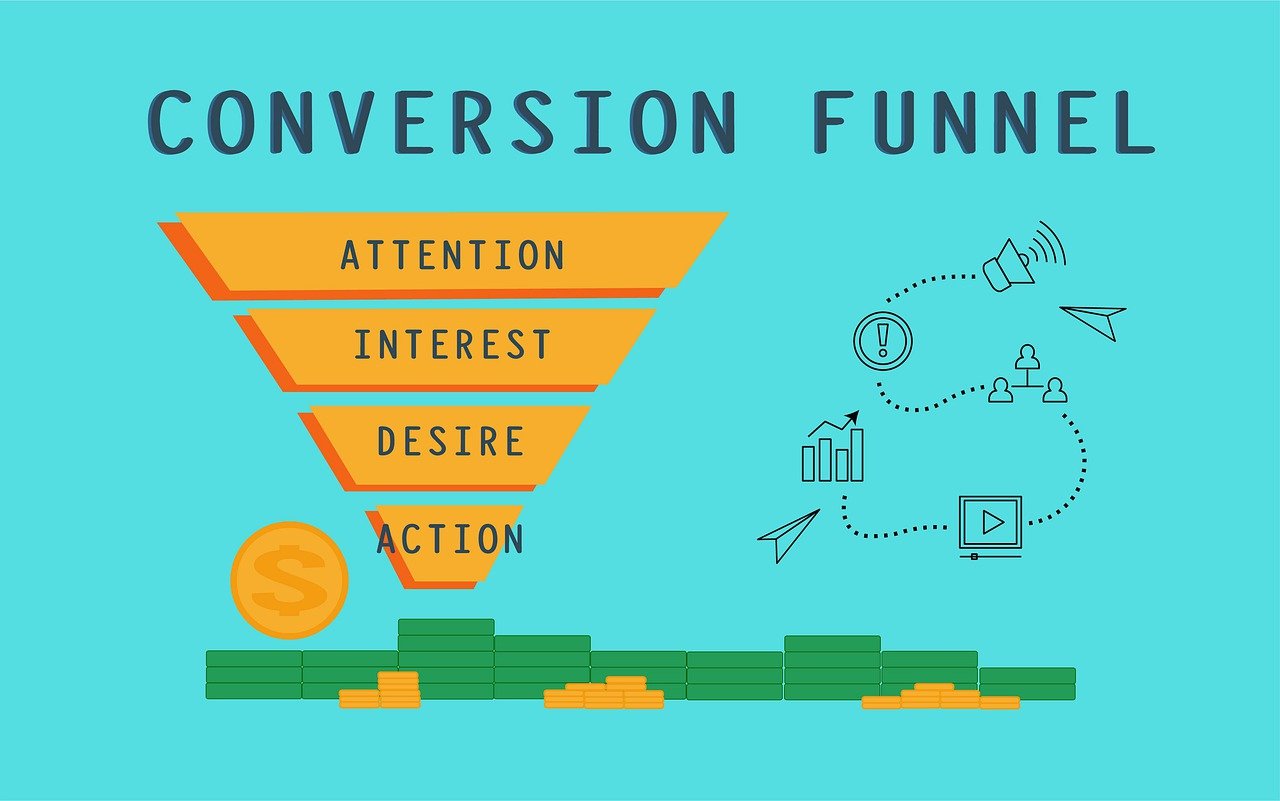
To effectively use sales funnels, having a sales funnel template is crucial. This template acts as a blueprint guiding businesses in their marketing endeavors. By outlining the stages of the sales journey, brands can streamline their processes. These stages typically include awareness, interest, decision, and action. When crafted well, these templates can significantly enhance conversion rates. For instance, a template might feature enticing headlines, persuasive copy, and clear calls to action. Additionally, tailored graphics can visually represent the flow, making it easier to understand. Moreover, integrating analytics tools into your funnels helps track performance metrics effectively. With this data, businesses can adjust their tactics and improve outcomes. Ultimately, using a sales funnel template can result in a more efficient sales process, converting leads into loyal customers. Templates provide the structure needed while still allowing for customization. Start by identifying your target audience and their pain points to tailor the funnel to their needs. Adapting your template accordingly can lead to greater success in your sales efforts.
Types of Sales Funnel Templates
When choosing a sales funnel template, awareness of the various types available helps significantly. Each template is crafted for specific goals and target markets. Popular types include lead generation funnels, webinar funnels, and e-commerce funnels. Lead generation funnels typically focus on collecting emails through offerings like ebooks or free trials. They guide prospects through the initial stages of interest, encouraging further engagement. Meanwhile, webinar funnels pivot on providing valuable content through informative sessions, ultimately leading to sales. E-commerce funnels emphasize streamlined shopping experiences, highlighting products and reducing friction. They often include reviews, testimonials, and limited-time offers to enhance urgency. Understanding which type aligns best with your business objectives is essential. Additionally, consider hybrid templates that combine elements of multiple types for flexibility. These templates can meet diverse needs not captured by a single type. Ultimately, investing time in selecting the right sales funnel template can be a game-changer. Effective sales funnels not only attract potential customers but also nurture them through the buying process, leading to increased sales and brand loyalty.
Visual elements in your sales funnel templates can significantly impact performance. Graphics attract attention and guide visitors through the sales process. Infographics, charts, and images illustrate information effectively, enhancing comprehension. Employing color psychology in these visuals can stimulate the desired response from potential customers. Strong visuals coupled with compelling copy creates an engaging narrative that captures the audience’s interest. Ensure consistency in branding—fonts, colors, and styles must align with your business identity. Incorporating testimonials or success stories into your visuals can foster trust. When prospects see social proof, they are more likely to engage in the buying process. Additionally, videos are incredibly powerful; they can convey emotions and facilitate an understanding of your product. Including video testimonials, product demos, or explainer videos effectively communicates value. Social media integration and shareable assets further promote traffic to your sales funnel. Thus, effective visuals are crucial in enhancing user experience and boosting conversion rates. An appealing layout that balances visuals and text makes the information digestible and encourages continued engagement throughout the funnel.
Testing Your Sales Funnel Templates
A key aspect of using sales funnel templates involves consistent testing and optimization. Every element, from headlines to call-to-action buttons, should be analyzed for effectiveness. A/B testing is a beneficial method; it allows marketers to compare two versions of a sales funnel to identify the most effective one. Variations could include testing different headlines or button colors to see which yields a better response. Moreover, analyzing customer behaviors through analytics tools reveals insights into drop-off points with funnels. Knowing where potential customers lose interest allows for effective adjustments. Additionally, client feedback offers invaluable information on user experience; surveys can provide insights into perceived barriers. Continuous improvement ensures that your sales funnel remains relevant and effective in a changing market. Remember, even minor tweaks can lead to significant results in conversion rates. Regularly updating templates based on data gathered reinforces the sales strategy over time. In a competitive landscape, the ability to adapt and evolve is essential. Thorough testing and refinement contribute to a more successful sales funnel, ultimately driving growth and revenue.
Integrating tools into your sales funnel templates can further enhance their effectiveness. Software solutions can automate processes, making the funnel more efficient. For example, email marketing platforms help streamline lead nurturing through targeted campaigns. By integrating such tools, businesses save time and improve customer engagement. Additionally, customer relationship management (CRM) tools can track interactions and preferences. These insights enable personalized communication that resonates with leads. Furthermore, consider platforms that offer optimization features, providing recommendations for enhancing performance. Such integrations also help in tracking and analyzing user behavior throughout the funnel stages. By leveraging technology, businesses create a smoother journey for potential customers, enhancing satisfaction and engagement. Automation minimizes human error and ensures follow-up with leads in a timely manner, increasing chances of conversion. It’s essential to choose the right tools that align with your specific funnel stages and objectives. Selecting software that integrates well is vital for a seamless workflow. Ultimately, incorporating tools into sales funnel templates maximizes effectiveness, making the entire process more strategic and results-driven.
Common Mistakes to Avoid
Many businesses encounter common pitfalls when using sales funnel templates. Recognizing and avoiding these mistakes is essential for success. One common error is neglecting to define the target audience clearly. Failure to identify who you are selling to can lead to ineffective messaging that fails to resonate. Another mistake is having overly complex funnels that confuse potential customers. Simplicity is key; funnels should guide users smoothly from one stage to another. Additionally, lack of proper tracking metrics leads to blind spots in understanding performance. Marketers must regularly monitor conversion rates and engagement levels. Ignoring feedback is another critical misstep; customer insights can significantly improve the sales process. Regularly soliciting feedback provides actionable insights for refinements. Moreover, failing to optimize and update funnels regularly can lead to stagnation. Continuously testing and enhancing the funnel ensures relevance and effectiveness. Conversely, a lack of urgency in calls to action can hinder conversions. Make sure to create compelling reasons for leads to act promptly. By avoiding these common mistakes, businesses can significantly improve their sales success and maximize the value of their funnels.
Sales funnel templates should always focus on adding value to customers. When the primary goal shifts solely to selling, prospects may feel disengaged. Instead, provide valuable content that educates and nurtures relationships. Engage customers with useful tips, tutorials, or resources related to the product or service. This approach builds trust and positions your brand as an authority in the industry. By sharing valuable insights, you create a stronger connection, making leads more receptive to offers. Furthermore, consider incorporating lead magnets like free trials or downloadable resources that provide immediate value. These offerings attract potential customers into the funnel while showcasing your product’s worth. Additionally, maintaining consistent communication through newsletters or educational content fosters ongoing engagement. Develop a nurturing strategy that keeps your audience informed and connected. The goal should be to turn prospects into loyal customers over time. As they feel valued and knowledgeable, the likelihood of conversion increases significantly. By prioritizing value in your sales funnel templates, the results can boost overall customer satisfaction and loyalty, leading to long-term success.
Conclusion: Designing an Effective Sales Funnel
Designing an effective sales funnel necessitates careful thought and strategic planning. Organizations should emphasize understanding their audience’s needs and preferences. Prioritizing simplicity, clarity, and value in templates enhances user experience. Incorporating visual elements judiciously aids in storytelling, guiding customers towards actions. The testing phase is critical to refining each stage of the funnel. Utilizing available tools to automate processes can save time while enhancing performance. Avoiding common mistakes ensures that the funnel remains effective and relevant. Regular optimization based on feedback and analytics drives continuous improvement, allowing businesses to adapt to changing markets. Ultimately, a well-designed sales funnel serves as the cornerstone of successful marketing strategy. Empowering prospects leads to increased engagement, higher conversion rates, and greater overall success. Investing in the right templates and practices pays off in the long run. Brands that prioritize customer engagement and value above all else thrive in today’s competitive landscape. Emphasizing relationships with customers bears fruit, turning prospects into loyal advocates over time. By following best practices and focusing on value, businesses can design sales funnel templates that yield lasting results.