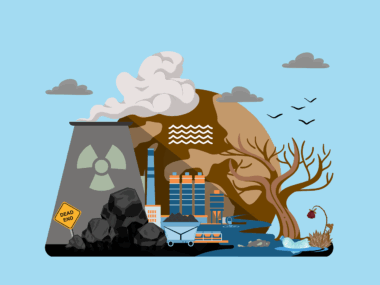

The Impact of Environmental Taxes on Corporate Sustainability
Environmental taxes represent a crucial tool for incentivizing sustainable practices among corporations. This fiscal policy aims to internalize the environmental costs associated with business activities. By imposing taxes on pollution and resource use, governments encourage firms to adopt cleaner technologies. The economic rationale behind these taxes is straightforward; they aim to reflect the true cost of environmental degradation. Consequently, companies are pushed to re-evaluate their operations and reduce harmful emissions to minimize tax liabilities. As a result, businesses often invest in renewable energy or resource-efficient practices that align with sustainability goals. Enhanced competitiveness can also emerge as businesses innovate. Furthermore, the potential to receive tax credits or subsidies for eco-friendly initiatives can motivate corporations. These financial benefits make sustainability not just an ethical obligation but a smart business decision. However, the effectiveness of environmental taxes varies, depending on the tax rates and the economic context. If not calibrated correctly, they may disproportionately affect certain sectors or lead to job losses. It’s essential for policymakers to strike a balance that promotes sustainability while supporting economic growth and job creation.
Environmental taxes can significantly influence corporate behavior and decision-making. These taxes are designed to encourage companies to reduce their ecological footprint by making it more costly to pollute. When faced with financial penalties tied to emissions or waste production, firms often seek innovative solutions to minimize taxable activities. This can lead to the adoption of cleaner technologies and best practices within production processes. For example, companies may invest in research and development to create greener products, aiming to reduce emissions and waste. Furthermore, the introduction of these taxes sends a clear signal to the market, prioritizing environmental responsibility. In this context, businesses that proactively adopt sustainable practices can gain a competitive edge. Corporations may also partner with government initiatives that promote green technologies. Such collaborations benefit both parties; companies gain access to resources, while governments advance their environmental agendas. Another advantage of environmental taxes is that they generate revenue for governments, which can be reinvested into sustainability projects. This funding supports renewable energy initiatives, thereby amplifying the positive impact on corporate sustainability and the environment.
Challenges and Opportunities of Environmental Taxes
While environmental taxes offer numerous benefits, they also pose challenges for different industries. Companies operating in sectors where pollution is hard to eliminate may struggle to comply with regulations. This can lead to increased costs that could hinder their competitiveness in the global market. Smaller businesses, in particular, may find it difficult to absorb the financial impact of these taxes. Moreover, high tax rates could lead to increased prices for consumers or even outsourcing jobs to countries with lax environmental regulations. However, this scenario presents an opportunity for innovation. Businesses can leverage these challenges to invest in sustainable technologies, positioning themselves as leaders in their industries. By transforming compliance into a competitive advantage, companies can differentiate themselves in a crowded marketplace. Additionally, transparency and stakeholder engagement are crucial for successfully implementing environmental taxes. Firms that communicate their sustainability efforts effectively can build stronger relationships with consumers and enhance brand loyalty. By addressing the concerns related to cost and job security, businesses can foster a culture of sustainability that benefits them and the broader community.
The implementation of environmental taxes can encourage businesses to shift towards a circular economy. In this economic model, resource use is minimized, and waste is reduced through recycling and reusing materials. Environmental taxes can drive companies to rethink their production processes, focusing on sustainable sourcing and reducing their carbon footprint. For example, if a manufacturer is taxed on waste produced, they may seek to enhance their supply chain management and adopt zero-waste practices. This not only lowers their tax burden but also conserves natural resources, aligning with sustainability goals. Moreover, a focus on the circular economy can create new business opportunities in waste management and recycling industries. Companies that successfully transition can benefit from both cost savings and a better public image. Consumers are increasingly demanding sustainable products, and companies that respond to this demand can capture significant market share. Additionally, reducing environmental taxes for companies that demonstrate sustainable practices can catalyze further investment in green initiatives. This promotes a proactive approach to environmental responsibility and sets a precedent for future policymaking.
Long-term Effects on Corporate Reputation
Environmental taxes also play a crucial role in shaping the long-term reputation of corporations. A company’s commitment to sustainability can enhance its brand image, resonate with consumers, and differentiate it from competitors. In today’s environmentally conscious market, brands that fail to address their ecological impact may face backlash from consumers and activists alike. By adopting sustainable practices through compliance with environmental taxes, companies can showcase their commitment to corporate social responsibility. Such initiatives can catalyze positive media coverage, fostering stronger connections with stakeholders. Moreover, transparency in environmental impact reporting, supported by tax compensations, can further enhance a company’s credibility. Consumers are inclined to support brands investing in sustainability. Therefore, businesses that align their operations with responsible practices stand to benefit from increased customer loyalty and market credibility. Additionally, as governments worldwide push for stricter environmental regulations, companies that proactively adapt to these changes may find themselves ahead of the curve. This strategic foresight can mitigate potential risks associated with regulatory changes, thus securing the company’s future in a rapidly evolving market landscape.
The implementation and effectiveness of environmental taxes create platforms for collaboration between the private and public sectors. Governments play a pivotal role in establishing frameworks that shape how these taxes operate. Engagement with industry stakeholders is critical in developing practical tax policies that promote sustainability. Through consultations and partnerships, governments can better understand the concerns of businesses regarding compliance costs and implications. This dialogue can facilitate the creation of phased approaches, allowing companies to adapt gradually without significant financial strain. Moreover, public-private partnerships can focus on innovation, where tax revenues can fund research and initiatives that advance sustainable technologies. Such collaborations can result in improved industry standards and practices, further benefiting corporate sustainability. Transparency and data-sharing initiatives can empower companies to benchmark their sustainability efforts against peers. These efforts not only bolster accountability but also drive the industry towards common sustainability goals. Additionally, knowledge-sharing platforms can amplify successful strategies, allowing companies to learn from one another. This collaborative environment fosters innovation, enabling firms to navigate the complexities of environmental taxation with greater confidence.
Conclusion: Embracing Sustainability through Environmental Taxes
In conclusion, environmental taxes hold the potential to drive significant advancements in corporate sustainability. By internalizing environmental costs, these taxes encourage firms to adopt greener practices, innovate, and enhance their operational efficiency. The challenge lies in balancing environmental objectives with economic sustainability. Policymakers must consider industry-specific impacts to avoid unintended consequences while promoting social and environmental well-being. Businesses, on the other hand, must embrace sustainability not as a regulatory burden but as an opportunity for growth and differentiation. Environmental taxes can creatively push companies toward cleaner technologies, resource management, and waste reduction initiatives. Moreover, the shift towards sustainability can enhance corporate reputation, leading to customer loyalty and market competitiveness. Ultimately, education and collaboration between stakeholders can create a conducive environment for positive change. Through transparency and dedication to sustainability goals, firms can be proactive in achieving long-term success. Embracing environmental taxes fosters not just compliance but a pathway to a sustainable and prosperous future. As organizations navigate this transition, they play a critical role in shaping an eco-friendly economic landscape for generations to come.