
The Effect of Hard Inquiries on Credit Score Recovery
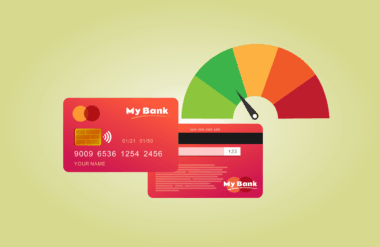
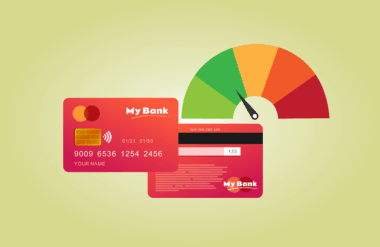
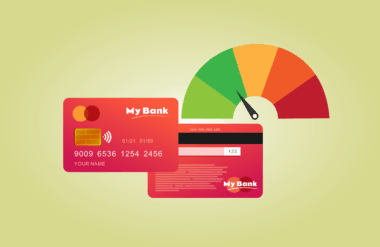
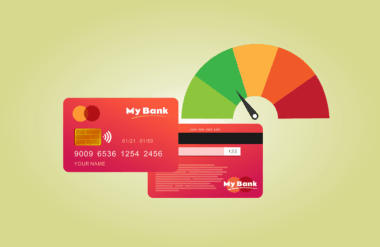
Understanding credit scores is essential for individuals looking to manage their financial health effectively. One critical aspect to note is how hard inquiries affect credit scores. A hard inquiry occurs when a lender checks your credit report due to an application for credit. These inquiries can temporarily impact your credit score, making it crucial to understand how long they last. Generally, hard inquiries may lower your credit score by a few points, but they usually only affect your score for about 12 months. After this period, they typically fall off your credit report. Maintaining a good credit score is vital, and individuals should try to limit the number of hard inquiries. Furthermore, excessive inquiries can indicate risk to lenders, potentially affecting future credit applications. Avoiding applying for new credit repeatedly in a short period can help mitigate this risk. If you’re looking to improve your credit score, focus on keeping existing credit accounts in good standing while minimizing new applications, as these can create hard inquiries that negatively influence your recovery efforts.
To effectively manage your credit recovery after experiencing hard inquiries, you must understand their implications for your overall credit profile. Monitoring your credit report regularly is crucial in identifying the impact of hard inquiries. Tools and services are available to help you with regular credit monitoring, which can provide insights into how your credit score is progressing. Understanding the components that contribute to your credit score will aid you in creating a strategy for recovery. These components include your payment history, credit utilization, and the length of your credit history. Focus on enhancing these areas while minimizing new inquiries to keep your credit score consistently improving. Another tactic is to dispute any inaccuracies on your credit report, as this can lead to an increase in your score. Additionally, contacting lenders to request reconsideration for credit applications can be beneficial if you face potential denials. Building a history of responsible credit use over time can help mitigate the damage from past hard inquiries while establishing a strong financial footing for the future. Always explore educational resources and tools available to enhance your credit knowledge and score over time.
Implementing Credit Recovery Strategies
Your credit recovery strategies should incorporate techniques focused on improving your credit score despite existing hard inquiries. One effective approach involves ensuring timely bill payments, as timely payments bolster your payment history—the most crucial factor in scoring models. Creating a budget can help you prioritize payments and avoid late fees, which can otherwise harm your score. Alongside this, consider reducing your credit utilization ratio by paying down existing debts. Keeping your total credit utilization below 30% is essential to maintain a healthy score. This shows lenders that you manage your credit responsibly. Apply for new credit cautiously; limit hard inquiries by not applying for multiple credit cards or loans simultaneously. Instead, target specific times for applications when necessary, ensuring that research is thorough. Additionally, cultivate long-term credit accounts that contribute positively to your credit history. They can boost your score without adding hard inquiries, creating a more stable, favorable lender profile. Engaging a credit counselor can provide personalized advice and perhaps help expedite your credit recovery process through tailored strategies and insights.
It’s vital to remain proactive about protecting your credit during the recovery process following hard inquiries. This includes regularly reviewing your credit score and report for any discrepancies or negative information. You can obtain free credit reports from the three major credit bureaus once a year. Focusing on this review allows you to catch errors early and dispute inaccuracies that could hinder your recovery efforts. Consider also utilizing credit monitoring services. These services can alert you to major changes in your score, helping you take immediate action if necessary. Additionally, consider implementing a credit-building strategy if you have limited credit history or existing negative marks. A secured credit card can help. These cards require a cash deposit that acts as collateral, allowing you to build a positive payment history over time. Focus on maintaining low balances on your credit cards and making payments promptly. Hence, establishing positive credit behavior can counterbalance the minor damage caused by hard inquiries, putting you on a potential path toward faster credit recovery and improved credit scores.
The Role of Time in Recovery
Time plays a critical role in recovering from hard inquiries, as these effects are not permanent. While hard inquiries may reduce your score in the short term, their influence diminishes over time. Experiencing patience during the recovery process can reduce anxiety as your score gradually improves. The effects of hard inquiries are often outweighed by responsible credit use in the long run. As hard inquiries typically stay on your report for two years, understanding their temporary nature will assist in maintaining a healthy financial outlook. During this period, focus on the foundational components of your credit score that you can control, such as payment history and utilization. Regularly checking your credit can build a strong awareness of your status, empowering you to manage your finances effectively. The steps taken while waiting for hard inquiries to impact your score less drastically can set the tone for your financial future. By adopting positive credit habits now, you create opportunities for increased financial health and stability later. Ultimately, time, patience, and strategic improvements are the keys to overcoming the impacts of hard inquiries on your credit recovery.
Engaging in positive credit behavior while navigating the impact of hard inquiries is essential for long-term success. Building and maintaining an understanding of financial responsibilities within your budget is vital for positive credit behavior. Consider automating your payments to ensure they are made on time, reducing the risk of missed payments. It boosts trust in your creditworthiness, showing lenders and scoring models that you can handle credit responsibly. Furthermore, avoid applying for new credit accounts that would lead to additional hard inquiries unless absolutely necessary. Keeping existing accounts active can also help strengthen your credit history. Aim to pay down outstanding debts as quickly as possible. Strategies like the snowball method—paying off smaller debts first—can keep you motivated as you achieve small victories along the way. Simultaneously, the avalanche method—targeting higher interest debts—can save you money over time. Lastly, keep communication open with lenders if financial challenges arise, as they may provide options or deferments, allowing you to manage responsibly. Ultimately, these actions collectively serve to build and stabilize your credit over time, regardless of the temporary setbacks caused by hard inquiries.
Conclusion: Focus on Recovery
The journey toward credit score recovery post-hard inquiries requires careful planning and consistent financial habits. By employing comprehensive strategies tailored to your unique credit circumstances, you can counterbalance the effects of hard inquiries on your overall credit score. Education plays an important role as understanding credit score components enables you to make informed decisions. Maintaining a healthy payment history and diligently managing credit utilization is paramount in the recovery process. Regularly reviewing your credit report also allows you to identify errors that could hinder progress. At the same time, ensure that you do not create new hard inquiries. Stay informed about credit building and recovery techniques, and engage all resources available to support your financial goals. Don’t hesitate to seek advice from credit professionals if you experience challenges along the way. In essence, a thoughtful, proactive approach focusing on sound financial practices will enhance your credit score over time, paving the way for successful recovery from past hard inquiries. By staying committed to your financial well-being, you will see gradual improvements and find increased opportunities in lending in the future.
Every individual’s financial journey is unique, and understanding the diverse factors impacting one’s credit score is essential for effective management. Each of these factors represents a different area where conscious effort can lead to improvements, helping recover from the temporary setbacks caused by hard inquiries. Even in challenging situations, perseverance and well-informed strategies can ultimately lead to success in credit score recovery. Recognize that building a positive credit reputation is often a marathon, not a sprint, and the reward lies at the finish line for those who remain diligent. You can enjoy financial freedom with the right approach. The financial landscape can be navigated with patience and intention, ensuring a brighter financial future. With a strategic mindset and determination, you can successfully manage your credit score recovery journey.