
Maximizing Customer Retention with Loyalty Programs in E-commerce
In today’s competitive landscape, maximizing customer retention is crucial for e-commerce businesses. One effective strategy is developing loyalty programs that encourage repeat purchases. These programs not only reward customers but also provide insights into their purchasing behavior. By analyzing this data, companies can personalize offers, target promotions effectively, and ultimately enhance the customer experience. A robust loyalty program fosters emotional connections with customers, making them feel valued and appreciated. This sense of belonging can turn casual shoppers into brand advocates. Equally important, an effective program must be easy to understand and navigate. Customers should know exactly how points or rewards are accrued and redeemed, ensuring transparency. An engaging mobile app can provide access to loyalty features, further simplifying usage. Additionally, integrating social media with loyalty programs allows customers to share their achievements with friends, potentially attracting new shoppers. This blend of technology and community engagement can significantly drive sales. Ultimately, investing in a loyalty program is not merely about short-term goals but setting the foundation for long-term success in e-commerce. Crafting experiences that resonate with customers is the key to lasting relationships and brand loyalty.
Another vital component of successful loyalty programs is offering tiered rewards. By creating various levels of benefits, you incentivize customers to reach higher tiers, which in turn encourages more purchases. For instance, a program might include a basic level for new customers, a middle tier for frequent buyers, and a premium tier for the most loyal ones. This structure can encourage engagement as customers strive to access more significant rewards. Each tier should come with unique benefits, such as exclusive discounts, early access to sales, or special birthday gifts. Communicating the value of each tier is essential; businesses should highlight how close customers are to reaching the next level. This transparency not only enhances the perceived value of the loyalty program but also fosters a sense of accomplishment. Furthermore, businesses should continually evaluate their tiered rewards based on performance metrics and customer feedback. Understanding which rewards drive engagement will help refine the program for better retention rates. Combining tiered marketing with other strategies, like gamification, can also make the experience more enjoyable and engaging, directly impacting overall customer satisfaction and loyalty.
Personalization and Targeting in Loyalty Programs
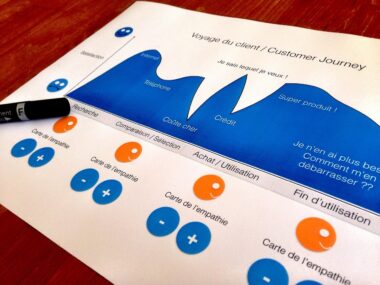
Personalization is at the heart of effective loyalty programs. By leveraging customer data, e-commerce businesses can create targeted offers tailored to individual preferences. This approach not only enhances the shopping experience but also increases the likelihood of repeat purchases. Personalized communication, such as recommending products based on past purchases, can significantly improve engagement rates. Additionally, businesses can use data to send timely reminders about unused loyalty points, upcoming sales, or special events. Understanding a customer’s unique journey enables businesses to tailor their marketing efforts accordingly. For instance, if a customer frequently buys skincare products, sending personalized offers related to skincare can drive conversions. Furthermore, integrating personalization into the loyalty program fosters a stronger emotional connection between the brand and the consumer. Customers are more likely to respond positively to a brand that understands their needs and anticipates their preferences. E-commerce brands that utilize personalization effectively create a loyal customer base that feels understood and valued. This sentiment leads to enhanced customer satisfaction and promotes long-term loyalty, contributing significantly to growth in sales and brand reputation.
Aside from personalization, strategic collaboration with other brands can enhance loyalty programs. Partnering with complementary brands allows e-commerce businesses to offer customers a more comprehensive rewards experience. For example, a fashion retailer could collaborate with a cosmetics company to provide collective rewards, where points can be redeemed across both brands. Such alliances can attract new audiences and widen the customer base, boosting overall sales. Additionally, offering exclusive deals or bundled products as part of the loyalty program provides enhanced value. Customers appreciate having multiple ways to earn and redeem rewards, which can amplify their engagement with the brand. Moreover, collaborative efforts can extend to co-branded marketing campaigns, leveraging both brands’ audiences to drive awareness of the loyalty program. Understanding customer behavior across platforms enables better decision-making regarding partnerships. When brands work together, they can utilize shared insights to improve offerings and maximize customer satisfaction. This cooperative approach is not just beneficial for acquiring new customers but also for retaining existing ones through unique shared experiences that elevate the loyalty program’s appeal.
Engagement Through Gamification
Gamification is emerging as an exciting technique for enhancing customer engagement in loyalty programs. By incorporating game-like elements, e-commerce businesses can foster a more interactive experience. For example, customers can earn points for completing specific actions, such as making purchases, sharing on social media, or writing product reviews. Displaying progress bars or achievement badges can motivate customers to engage more with the program. Additionally, leaderboards can spark friendly competition among customers, incentivizing them to participate more actively. Gamification creates a fun atmosphere, turning the shopping experience into an engaging game. Brands that embrace this strategy see increased customer retention and loyalty. However, it’s essential to design gamified elements that resonate with the target audience. Testing various elements and soliciting feedback can help refine the gamification approach. Businesses should also ensure that rewards remain genuine and valuable while maintaining exciting game mechanics. By finding the right balance, companies can enhance brand loyalty through entertaining experiences. Ultimately, gamification complements traditional loyalty programs, making the process of earning rewards enjoyable and beneficial for both customers and brands.
Communication plays a significant role in the success of loyalty programs. Regularly communicating with customers about their rewards and available offers keeps the program top of mind. Informing them about new deals or changes in the program fosters a deeper connection to the brand. Brands should utilize various communication channels, such as email newsletters, social media, and push notifications, to reach their audience effectively. Additionally, transparency about how the rewards work, including details on point accumulation and redemption, is essential. Consider incorporating engaging visuals, such as infographics, to clarify processes and enhance the customer experience. Furthermore, encouraging feedback from program participants can yield valuable insights into their preferences, helping refine the program further. Customers appreciate when their opinions are considered, leading to increased satisfaction and loyalty. Moreover, creating a dedicated customer service team to assist with loyalty program inquiries can build trust and strong relationships with program members. Keeping customers informed and engaged increases overall participation rates, ensuring that the loyalty program remains relevant and appealing.
Conclusion: The Future of E-commerce Loyalty Programs
As e-commerce continues to evolve, loyalty programs will need to adapt to changing customer expectations and technological advancements. Emphasizing customer-centric designs will ensure these programs remain effective and relevant. Emerging technologies, such as artificial intelligence and machine learning, can play crucial roles in personalizing customer experiences within loyalty programs. Predictive analytics will enable businesses to anticipate customer behaviors and tailor rewards accordingly. Furthermore, integrating virtual and augmented reality into loyalty programs could create immersive shopping experiences, enhancing customer engagement further. The future of loyalty programs lies in creating seamless experiences that integrate digital platforms and real-world interactions. E-commerce businesses should be prepared to innovate continually while listening closely to customer needs and feedback. Building a customer-focused loyalty program will help establish long-term relationships that drive retention and profitability. Relying on data-driven strategies will enhance the effectiveness of these programs, contributing significantly to growth in sales. Ultimately, e-commerce brands must prioritize customer satisfaction, forging relationships based on trust and value, to thrive in the competitive marketplace.
In conclusion, maximizing customer retention through loyalty programs presents an effective strategy for e-commerce businesses. By incorporating thoughtful elements such as personalization, tiered rewards, collaborations, gamification, and regular communication, brands can cultivate strong relationships with their customers. Understanding customer preferences and behaviors is essential for designing programs that resonate and deliver genuine value. Embracing the future of loyalty programs will require agility and a willingness to adapt, leveraging technology and innovative strategies. By prioritizing customer satisfaction and enhancing their shopping experience, e-commerce brands can create loyal advocates who drive growth and success. To summarize, the essence of an effective loyalty program lies in understanding and valuing customers, consistently engaging and rewarding them. This approach, combined with continuous refinement and innovative thinking, will enable e-commerce businesses to navigate challenges, seize opportunities, and position themselves for sustained success in a rapidly evolving market. There is no one-size-fits-all approach, but focusing on the unique needs and desires of customers will undoubtedly yield better results. Building this foundation of loyalty will be vital for long-term sustainability in the competitive e-commerce landscape.