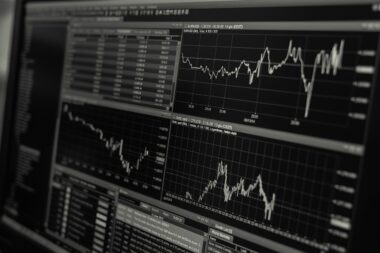

The Role of Financial Markets in Economic Growth
Financial markets play a vital role in fostering economic growth by facilitating the flow of capital. They serve as platforms where capital can be raised by businesses, enabling them to finance expansion and innovation. When businesses raise funds, they can invest in new projects, leading to the creation of jobs and an increase in productivity. This influx of investments drives not only individual company growth but also contributes overall to the economy. Furthermore, financial markets provide essential services such as risk management, price discovery, and liquidity. Risk management allows businesses and investors to protect against unforeseen losses, which promotes a stable economic environment. Price discovery gives a clear picture of the worth of assets, enabling informed decision-making. Liquidity ensures that assets can be bought and sold quickly, which is crucial for maintaining investor confidence. When people trust in the ability to quickly convert investments back to cash, they are more likely to invest, spurring economic growth further. Therefore, the functioning of financial markets is critical to a thriving economy. It strengthens the links between savings, investments, and consumption.
Moreover, financial markets contribute to economic growth through the efficient allocation of resources. By assessing the risk and potential returns of various investment opportunities, these markets guide capital towards businesses that are most likely to succeed. Investors, armed with information and forecasts from analysts, allocate their resources in a way that maximizes returns. This allocation ensures that funds are directed towards innovative companies and sectors, propelling advancements in technology and services that benefit society. In turn, the success of these invested companies leads to economic prosperity. Efficient financial markets also help in reducing the cost of capital, making it easier for entrepreneurs to start and grow their businesses. Lower borrowing costs increase access to finance, encouraging startups to innovate and enter the market. As entrepreneurship rises, so do new job opportunities and competitive dynamics within industries. The cycle continues as consumers benefit from better products and services. Overall, the interaction of various financial instruments and market participants creates an environment conducive to sustainable growth. Thus, fostering efficient financial markets remains essential for achieving long-term economic development.
Investment decisions made in financial markets are significantly influenced by the performance of various indicators. Economic indicators such as GDP growth, unemployment rates, and inflation provide critical insights that affect investor sentiments and market trends. When GDP is growing, it reflects a healthy economy, which tends to attract more investment. Investors are likely to exhibit increased confidence, channeling funds into businesses anticipated to thrive under favorable conditions. Conversely, high unemployment or inflation creates uncertainty, prompting investors to be more cautious, which can stall economic growth. Furthermore, government policies and regulations governing these markets also play an influential role. Regulations aimed at maintaining market stability and protecting investors are crucial for building trust in these systems. Investors feel more secure to participate in markets when policies are consistent and transparent. In this context, effective financial regulation can result in more significant investments in the economy. Conversely, opaque or overly restrictive regulations can hamper growth by discouraging participation. Therefore, the relationship between economic indicators, regulations, and market performance is vital for promoting a balanced economic expansion.
Global Financial Markets and Economic Integration
Global financial markets are increasingly interconnected, influencing national economies in multiple ways. When capital flows freely across borders, it allows countries to benefit from foreign investments. This integration fosters competition and innovation by exposing local businesses to international practices and standards. For developing countries, access to global capital can be transformative. It provides them with necessary funds for infrastructure projects, education, and healthcare, facilitating overall economic development. However, this interconnectedness also means that local economies can be affected by international market fluctuations. For example, a downturn in the global economy can lead to reduced foreign investments, impacting domestic growth negatively. The challenge lies in managing economic policies to mitigate these risks while leveraging the benefits of globalization. Additionally, international organizations play crucial roles in harmonizing regulations between countries, ensuring stability in financial transactions. This collaboration creates standard practices that help in minimizing conflicts and fostering trust among international investors. Ultimately, embracing globalization while protecting local interests can ensure that countries benefit fully from their participation in global financial markets.
Psychological factors also affect financial markets significantly, thus influencing economic growth. Investor psychology can drive market trends based on emotions such as greed and fear. For example, during market booms, investors might become overly optimistic, leading to increased investments. However, during downturns, fear can cause a rapid sell-off, stalling growth. Understanding these psychological aspects can help investors make more rational decisions, recognizing when markets are over or undervalued. Behavioral finance seeks to bridge the gap between traditional economic theory and the realities of investor behavior in financial markets. It emphasizes how cognitive biases affect decision-making and market performance. In this sense, educating investors about their psychological tendencies can foster sounder investment practices that promote stability. Furthermore, awareness of market sentiment can also guide policymakers in crafting measures that ensure economic stability. Markets driven by irrational behaviors pose risks to consistent economic growth. Therefore, addressing psychological factors can enhance market efficiency and facilitate a more predictable relationship between investments, growth, and economic cycles.
Technology plays a critical role in revolutionizing financial markets, thus enhancing economic growth. Innovations such as blockchain, artificial intelligence, and mobile trading platforms have transformed how transactions occur. These advancements not only improve efficiency but also reduce costs associated with trading and transactions. Lower costs make investing more accessible to a larger population, encouraging participation from diverse groups, including small investors. Moreover, technological developments lead to the creation of new financial products, expanding investment options available to individuals. Enhanced access to information through digital platforms allows investors to make more informed decisions. This democratization of financial markets can stimulate economic growth by promoting greater financial literacy and participation. However, the fast-paced nature of technological advancements also introduces regulatory challenges. Policymakers must balance fostering innovation with protecting investors and ensuring market stability. Failure to adapt to rapid changes can lead to increased risks and potential market instability. Therefore, technology and regulation must advance harmoniously to capitalize on improvements in financial markets effectively.
Conclusion
In summary, financial markets are essential for promoting economic growth through capital allocation, risk management, and fostering innovation. Their ability to channel resources effectively ensures that businesses can expand, benefiting the overall economy. From individual investors to global markets, the interconnected nature of finance continually shapes economic landscapes. Policymakers and regulators need to ensure that these markets remain efficient and transparent to maintain investor confidence. As technologies evolve and global connectivity increases, financial markets’ roles in economic growth will continue to be significant. Understanding these dynamics enables both businesses and individuals to navigate financial challenges and seize opportunities for growth in an ever-changing economic environment. Ultimately, empowering markets to function efficiently is essential for sustaining long-term economic development and prosperity. The collaboration between various stakeholders within financial systems will determine the future trajectory of economic growth, ensuring that all participants can benefit from robust, innovative, and sustainable financial markets.
As we have seen, financial markets are intertwined with economic growth through various mechanisms and influences. Markets not only mobilize resources but also provide the necessary environment for businesses to thrive. By fostering investor confidence through effective regulation, transparency, and stability, markets can significantly impact the pace and quality of economic development. Future advancements in technology will shape financial landscapes, offering new opportunities and challenges that will require adaptability and resilience. Continuous education in financial literacy will also play a critical role in empowering individuals to make informed investment choices. Ultimately, the interplay between financial markets and economic growth underscores the necessity of fostering resilient financial systems that benefit all participants and contribute to overall economic health.