
Analyzing Exchange Rate Fluctuations: Causes and Effects
Exchange rates can fluctuate due to numerous factors affecting the global economy. Understanding these variations is crucial for businesses and investors engaged in international trade. Economic indicators such as inflation rates, interest rates, and fiscal policies play essential roles. A significant inflation rate in a country can reduce the purchasing power of its currency, causing depreciation against others. Additionally, altered interest rates can impact investment flows, further changing demand for currencies. For instance, higher interest rates often attract foreign capital, thus strengthening a country’s currency. Political stability is equally relevant; uncertainty around elections or government changes typically leads investors to seek safer assets. Other influencing factors include legal and regulatory changes, economic sanctions, and geopolitical tensions. All these elements stand to affect consumer behavior and impact foreign exchange markets significantly. Various sources cite different reasons for these fluctuations, but most concur that global economic interdependence has made foreign exchange markets more volatile. Lastly, understanding supply and demand dynamics is vital since they determine currency valuation during transactions on the foreign exchange market, affecting traders accordingly.
Impact of Economic Indicators
Economic indicators are essential barometers for measuring a currency’s strength. Among the most critical indicators is the Gross Domestic Product (GDP), which reflects a nation’s economic performance. A rising GDP can strengthen a currency, leading to appreciation. Conversely, a declining GDP may suggest economic trouble, causing depreciation. Employment rates also impact currencies; higher employment often indicates a healthy economy and can boost value. Retail sales data further help gauge consumer confidence and spending, impacting demand for currency. The balance of trade is another key indicator; countries with excess exports over imports generally experience a stronger currency. Central bank policies regulating money supply and interest rates can create fluctuations in exchange rates. A hawkish stance typically signals higher interest rates, pushing currency value up, whereas a dovish stance indicates lower rates, leading to depreciation. All these indicators contribute to exchange rate expectations, making studying them critical for traders. Consequently, utilizing information on these indicators can equip investors with the necessary tools to navigate currency fluctuations effectively.
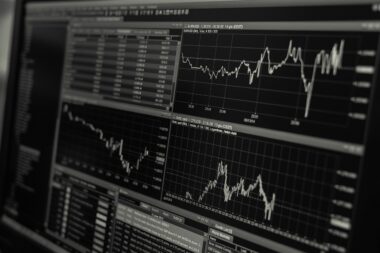
In addition to economic indicators, market sentiment plays a crucial role in exchange rate fluctuations. Traders’ perceptions and reactions to news can lead to rapid changes in currency valuation. Fear, speculation, and confidence are significant determinants of how traders operate within the market. Positive news can boost investor confidence, leading to increased demand, whereas negative news can cause panic and sell-offs. Events like natural disasters, political upheaval, or major policy changes can lead to dramatic shifts in sentiment, directly impacting currency values. Investors often monitor news cycles closely, as immediate reactions can create opportunities for profit or losses. Another factor influencing market sentiment is the behavior of major institutional traders and central banks. Their actions, such as large-scale buying or selling, can drive significant price movements. Many traders use technical analysis and chart patterns to predict future movements based on market sentiment. By understanding how market attitudes can influence currency values, traders can make informed decisions in a constantly evolving environment, positioning themselves for potential gains.
Geopolitical Factors
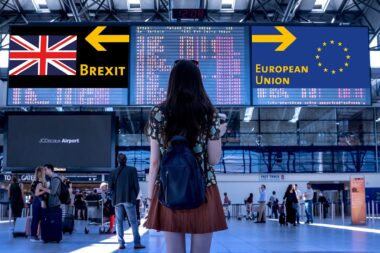
Geopolitical factors heavily influence exchange rate fluctuations, affecting currencies worldwide. Conflict and instability in regions can prompt investors to seek refuge in stable currencies, such as the US dollar or Swiss franc. For instance, tensions between countries can lead to sanctions, causing affected currencies to depreciate rapidly. Additionally, natural resources, particularly oil, play a vital role as fluctuating oil prices can significantly impact currencies of exporting nations. Countries reliant on oil revenue may face currency devaluation when prices drop, leading to economic instability. Consequently, traders focus on geopolitical news to anticipate potential currency movements. Elections, trade agreements, and diplomatic relationships can all change investor sentiment. Moreover, the ongoing battle against climate change has introduced new dynamics, where nations investing in sustainable initiatives may see better currency performance compared to those ignoring environmental issues. Traders must be aware of these political dynamics, as they create an underlying current of volatility in foreign exchange markets. Understanding the looping relationship between geopolitical events and currency value equips investors with insights to make strategic trading decisions.
The impact of behavioral finance is another critical dimension to understanding exchange rate fluctuations. Human emotion often biases trading decisions, leading to phenomena such as herd behavior. When traders follow the crowd without thorough analysis, it can create either exaggerated price movements or rebounds. For example, widespread market enthusiasm might drive a currency’s value beyond its fundamental worth, leading to eventual corrections. Conversely, panic selling during market downturns can lead to unjustified declines in currency value. Additionally, cognitive biases, such as overconfidence, can skew traders’ perspectives, often leading to losses. Another aspect of behavioral finance is availability bias, where traders give undue weight to recent news while neglecting broader trends. Understanding these psychological factors allows traders to avoid common pitfalls and develop effective strategies for managing risk. Furthermore, implementing discipline in trading practices can mitigate the irrational influences of emotion. Having a clear plan aids in making calculated, rational decisions. Overall, knowledge of behavioral finance helps traders navigate the emotional aspects of foreign exchange trading and fosters more sustainable investment practices.
Technological Advancements
Technology significantly shapes foreign exchange markets, creating rapid changes in trading behavior. The rise of algorithmic trading and automated systems has made it easier to process large amounts of data quickly. These systems utilize real-time information to execute trades faster than human traders. Consequently, currency pairs may experience volatility due to rapid transactions made based on algorithm-generated signals. Furthermore, online trading platforms have expanded accessibility, allowing individual traders to participate in the foreign exchange markets. This democratization can lead to increased trading volumes, influencing price movements. Social media also plays a pivotal role, enabling traders to share insights and forecasts, shaping market sentiment. Online forums and dedicated platforms allow for discussing strategies and developments directly impacting currencies. Additionally, mobile trading applications have transformed how traders approach the market, allowing for convenience and constant connectivity. Thus, technological advancements spur competition, leading to greater liquidity in the markets. While technology benefits trading, it also presents challenges, such as the increased likelihood of flash crashes. Awareness of these advancements is crucial for understanding today’s foreign exchange landscape.
In summary, analyzing exchange rate fluctuations requires considering multiple factors, including economic indicators, market sentiment, geopolitical influences, and technological advancements. Each of these elements works interactively to shape the dynamics of foreign exchange markets. Economic indicators provide foundational insights, while market sentiment reflects the emotional aspects driving trader decisions. Geopolitical events add a layer of complexity, influencing currency values through direct and indirect channels. Furthermore, technology continues to evolve the landscape, creating opportunities and risks for all market participants. To navigate this complex realm, traders must be well-informed and adaptable in their approaches. Seeking constant education through resources like economic reports, analyses, and expert opinions will enhance comprehension of these fluctuating dynamics. Additionally, recognizing how human behavior intertwines with market movements underscores the importance of emotional discipline. Adopting strategies that incorporate both technical and fundamental analyses empowers traders to make informed decisions. Ultimately, understanding the components that contribute to exchange rate fluctuations positions traders to harness opportunities while managing risks effectively.