
Credit Score Ranges in 2024: New Standards and What They Mean for Consumers
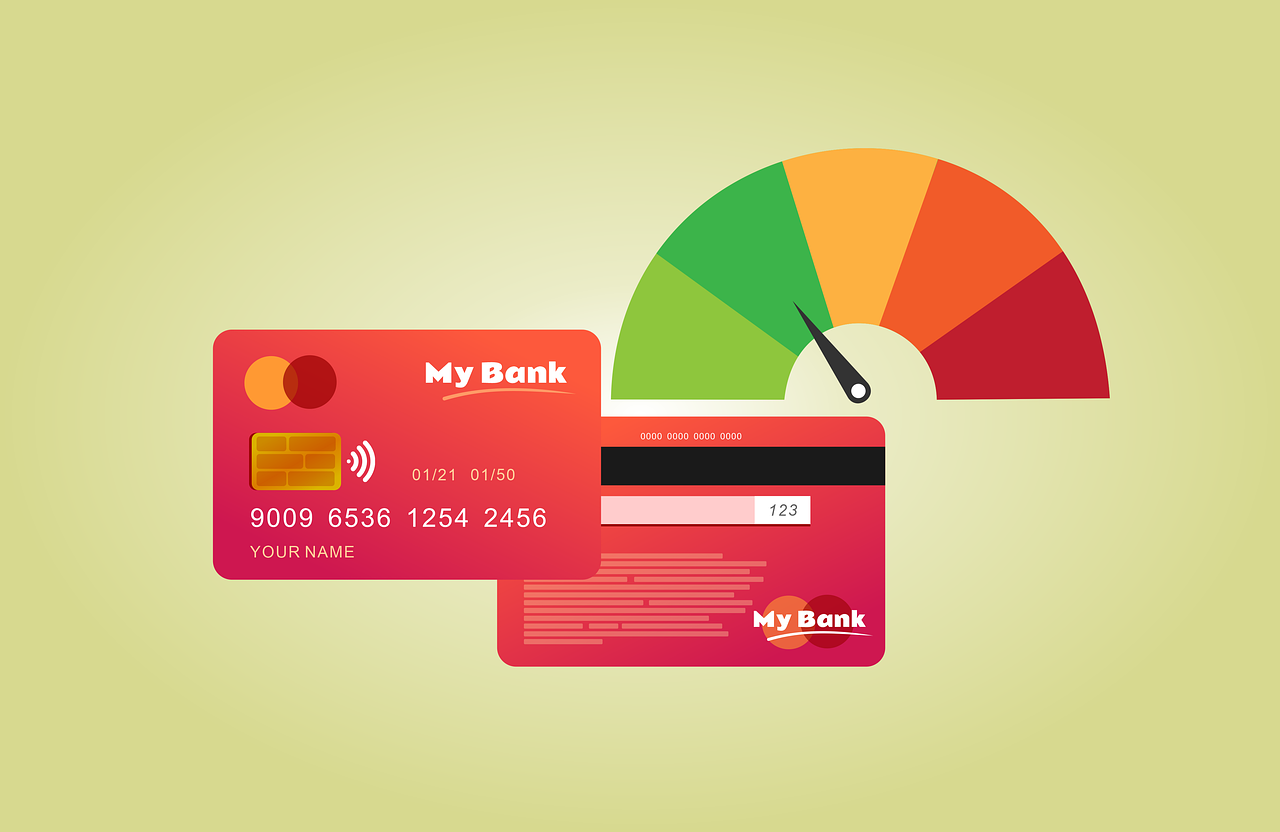
Credit scores have become an essential aspect of financial health, impacting loan approvals and interest rates. In 2024, understanding credit score ranges is crucial for consumers navigating their financial journeys. Credit scores typically range from 300 to 850, with categories defining the quality of a consumer’s creditworthiness. The ranges are divided into key categories: Poor (300-579), Fair (580-669), Good (670-739), Very Good (740-799), and Excellent (800-850). Each category has specific implications for lenders when assessing creditworthiness. A poor score may result in high interest rates or loan denials, while an excellent score offers better financial opportunities. Importantly, these scoring categories can influence your ability to rent a home, secure insurance, and even affect employment options. Therefore, knowing credit score ranges is not just an academic exercise; it is a fundamental part of financial planning that every consumer needs. A good score, for instance, may save thousands over time, making understanding this system vital for financial well-being in an increasingly credit-driven economy. Taking steps towards improving your credit score can yield significant long-term benefits for consumers.
Understanding the Importance of Your Credit Score
Your credit score impacts many areas of your financial life, making it vital to understand its implications. Lenders, insurers, and even employers often use credit scores to determine risk. Each of the five categories mentioned earlier affects how institutions view potential borrowers. A higher credit score often translates to better loan terms, lower insurance premiums, and broader rental opportunities. Conversely, consumers with lower scores may find access to these financial products limited or burdened with higher costs. By proactively checking and managing your credit score, you can position yourself favorably in financial dealings. Regularly reviewing your credit report for inaccuracies is also important, as small errors can significantly impact your score. If discrepancies are found, consumers should take immediate action to correct these issues, enhancing their creditworthiness. Taking advantage of financial education resources or consulting with credit counselors can provide further insights into improving your score. Additionally, understanding how credit utilization, payment history, and length of credit history contribute to your score is crucial. Employing responsible credit practices can greatly influence and improve your financial landscape.
In 2024, new standards may emerge, changing how credit scores are calculated or interpreted. As the financial landscape evolves, lenders also adapt their criteria to assess creditworthiness more accurately. These changes might include more emphasis on positive credit behaviors, striving for a more inclusive assessment of consumers’ ability to manage debt responsibly. For example, emerging technology has influenced how financial institutions analyze risk, integrating alternative data into their models. Consequently, some individuals who didn’t previously qualify due to a lack of traditional credit history may find new opportunities for credit with favorable terms. This shift encourages responsible borrowing practices while expanding access to credit for more consumers. If lenders implement these changes widely, it could also lead to broader financial market adjustments. Consumers may need to stay informed about who is redefining creditworthiness and how it affects them. Keeping abreast of new developments allows individuals to adapt their credit strategies accordingly. Moreover, being proactive can empower consumers to newly leverage their credit scores. Understanding evolving regulations and standards ensures consumers can effectively navigate lending landscapes.
The implications of understanding credit score ranges extend beyond immediate borrowing needs. Achieving a higher credit score can lead to lower interest rates, saving significant money on loans over time. This financial advantage allows consumers to allocate funds towards investments or savings, enhancing their overall financial health. In turn, improved credit can lessen financial stress by providing more favorable payment terms in times of need. Moreover, establishing a stellar credit score may open doors to exclusive financial products or rewards programs often linked to good credit behavior. Residential rental markets also increasingly rely on credit scores, suggesting landlords may hesitate to lease properties to prospective tenants with low scores. Furthermore, with an excellent score, consumers may have greater negotiating power regarding the terms of their leases or mortgage agreements. Engaging with credit scores proactively is critical not just for immediate purchases but for long-term financial security. Habits formed today can influence borrowing abilities tomorrow. By viewing credit scores as a lifelong journey rather than a one-time concern, consumers can foster lasting financial health. Consistently building credit responsibility aids individuals in all stages of life.
How to Improve Your Credit Score
Improving your credit score is attainable through various strategic steps, making financial wellness achievable for all consumers. First and foremost, ensure timely payments on existing debt and bills, as consistent payments positively influence credit history’s weight on your score. Keeping credit utilization, ideally below 30%, reflects prudent financial management. Regularly checking your credit reports allows you to identify areas for improvement, ensuring no inaccuracies misrepresent your standing. Additionally, diversifying your credit portfolio, including revolving and installment accounts, can positively impact your score. Equally vital is the length of your credit history; maintaining longstanding accounts enhances your score. However, avoid closing old credit lines, which might reduce your overall credit age. If your score is lower than desired, consider obtaining a secured credit card, which can help rebuild credit by demonstrating responsible usage. Lastly, be wary of hard inquiries, minimizing unnecessary credit applications that can temporarily reduce your score. Revisiting and refining your financial habits while utilizing these tips will significantly propel you toward achieving and maintaining a high credit score.
Some consumers may question why credit scores matter in navigating today’s financial landscape. Understanding this score allows for informed decision-making, helping consumers overcome challenges associated with credit management. Financial institutions often use credit scores to determine interest rates, loan limits, and insurance premiums, meaning the score significantly influences borrowing costs. Bad credit could lead to high-interest loans or missed opportunities altogether. Staying informed about credit trends can empower consumers to make better financial decisions, avoiding pitfalls associated with ill-informed credit practices. Moreover, improving your credit score can directly alter your financial position, enabling greater flexibility in the choices available for loans and mortgages. It is integral to instill good credit behaviors early on, incorporating them into daily routines to foster long-term success. This guidance means finding reliable financial resources, enrolling in credit education programs, and using budgeting tools that reinforce financial discipline. By continually educating themselves and monitoring their credit status, consumers can work towards not only obtaining favorable credit scores but also achieving broader financial stability. Good credit scores can unlock futures filled with opportunity, allowing consumers to thrive.
Conclusion: Navigating Your Credit Score Journey
The journey towards understanding credit scores is ongoing, but essential for financial success. Staying proactive and informed positions consumers favorably within the complexities of financial products in 2024 and beyond. Shifts in credit scoring models reflect broader trends emphasizing responsible management over conventional metrics of past debt. By focusing on the potential for positive credit behaviors, consumers can greatly enhance their financial outlook. The possibilities for improving your credit score are vast and achievable, enabling individuals to gain financial freedom. Making informed decisions, supported by financial education and awareness, can critically impact credit scores and, subsequently, overall financial health. Being mindful of the evolving credit scoring landscape matters, ensuring that consumers can adeptly navigate changes and benefit from emerging opportunities. It is prudent to view your credit score as a significant aspect of financial health, actively managed through educated choices. Every step consumers take toward improving their credit scores empowers them to seize opportunities that assist them in reaching financial milestones. Thus, remain committed to understanding credit scores, as doing so proves invaluable in ensuring enduring financial success.
In summary, as credit score ranges evolve in 2024, understanding their significance will empower consumers to navigate the lending landscape wisely. Educational resources and proactive credit management are vital components in achieving favorable scores. Being informed leads to better credit decisions, fostering long-term financial health. Regularly monitoring your credit report allows you to correct inaccuracies and keep your financial status in check. Employing responsible borrowing habits will positively influence your credit trajectory. Embracing changes in credit scoring criteria ensures consumers adapt strategies as financial landscapes evolve. Knowing your credit worthiness helps you seize opportunities, whether in obtaining loans, securing favorable insurance rates, or renting properties. Improving your credit score has long-term benefits that can save money and provide increased access to financial resources. Ultimately, maintaining a strong credit score contributes to overall financial wellbeing, enabling freedom from high-cost borrowing scenarios. Thus, viewing credit scores as a foundational element in achieving financial goals allows you to foster long-lasting financial health. Empower yourself with knowledge, support, tools, and practice methods that nurture good credit behaviors, paving the way to a brighter financial future.