
Understanding Ethical Decision-Making Models
Ethical decision-making models in business provide frameworks to navigate complex moral dilemmas. These models are essential for ensuring that companies align their business strategies with ethical standards. They help identify the best course of action when faced with challenging decisions. Businesses benefit from utilizing these models as they promote accountability and transparency. A strong ethical framework can enhance the organization’s reputation, improve customer trust, and boost employee morale. Examples of ethical decision-making models include the utilitarian approach, which focuses on the greatest good for the greatest number, and the deontological approach, which emphasizes duty and rules. Each model has its strengths and weaknesses, making it crucial for businesses to assess their unique situations before choosing a method. The context in which decisions are made also plays a significant role. Factors such as stakeholder perspectives, organizational culture, and potential consequences must be considered. In contemporary corporate environments, understanding how these models apply can lead to more effective strategies. Companies that adopt sound ethical decision-making practices position themselves as leaders in their industries.
Utilitarianism in Business Decision-Making
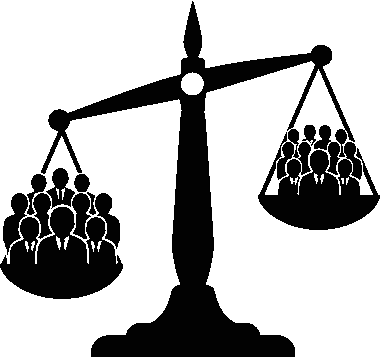
Utilitarianism is a key ethical theory that significantly impacts business decision-making. This model prioritizes the overall happiness and welfare that result from actions taken. It encourages managers to evaluate the consequences of their choices on various stakeholders. Businesses often use this approach in strategic planning and operational assessments. By focusing on maximizing positive outcomes, utilitarianism supports practices that benefit the majority. However, the model’s simplicity may overlook individual rights or moral obligations. This can lead to ethically questionable outcomes if not carefully balanced. For instance, a decision might maximize profits for many but harm a vulnerable group. Thus, applying utilitarian principles requires diligent consideration of all affected parties. Critics of this approach suggest that it can justify harmful actions in pursuit of greater good. Successful organizations, therefore, must blend utilitarianism with other frameworks to ensure comprehensive ethical analysis. Focusing solely on outcomes can risk undervaluing the importance of integrity and fairness. Ultimately, businesses must strike a balance that incorporates ethical standards while striving for profitability and sustainability. This balance is fundamental to long-term success and stakeholder trust.
Deontological ethics present a contrasting approach to utilitarianism in business decision-making. This ethical theory emphasizes the importance of duty and principles, rather than outcomes. In a deontological framework, the morality of an action is based on whether it adheres to rules or standards. This model helps organizations maintain consistent ethical practices and policies. For example, a company may prioritize upholding labor rights and environmental laws, regardless of financial impact. Adopting a deontological perspective can lead to decisions that protect stakeholder interests and enhance corporate accountability. Moreover, companies that embrace deontological principles often foster a culture of integrity, where ethical behavior is intrinsic to their operations. However, this unwavering adherence to rules may result in rigidity that doesn’t account for changing circumstances. When faced with unique or unforeseen challenges, business leaders may struggle with strict compliance. To effectively implement deontological ethics, organizations must remain flexible, allowing for ethical reflections that consider specific contexts. Ultimately, combining deontological principles with outcome-oriented insights can create a robust ethical framework. This integration encourages responsible civic engagement while addressing the complexities of modern business.
The Role of Virtue Ethics in Business
Virtue ethics focus on character and moral virtues, influencing ethical decision-making in business contexts. This approach emphasizes the importance of developing ethical leaders who exemplify integrity, courage, and compassion. By prioritizing character development, organizations foster a culture of ethical behavior and social responsibility. Virtue ethics fosters an environment where employees are encouraged to consider their actions’ moral implications. For instance, businesses that champion virtues can establish stronger relationships with customers, suppliers, and the community. This may lead to increased loyalty, trust, and long-term success. Teaching employees virtue ethics can inspire them to align their personal and professional values, promoting ethical congruence. However, relying solely on virtue ethics poses challenges, including accountability issues. Organizations should strive to complement virtue ethics with other decision-making frameworks for a comprehensive approach. Incorporating various ethical perspectives can lead to a more holistic understanding of moral issues. By cultivating ethical leaders who embody virtues, companies can navigate complex dilemmas with grace. Ultimately, virtue ethics equips organizations to face ethical challenges while enhancing their reputations and fostering social welfare.
Applying ethical decision-making models requires considering diverse stakeholder perspectives. Stakeholders encompass everyone affected by a business’s decisions, including employees, customers, suppliers, and communities. Ethical decision-making models offer frameworks to evaluate how choices impact these various groups, leading to more conscientious strategies. Engaging stakeholders in the decision-making process improves organizational transparency and accountability. By capturing multiple viewpoints, businesses can identify potential ethical dilemmas and develop solutions that align with their values. Encouraging open dialogue allows stakeholders to voice their concerns and expectations, fostering trust and collaboration. Additionally, organizations can utilize stakeholder feedback as a benchmark for ethical standards. However, incorporating multiple perspectives can complicate decision-making processes. Conflicting interests may arise, and resolving these divergent views requires adept negotiation skills. Effective leaders must balance stakeholder needs while adhering to ethical principles and organizational objectives. Ultimately, a stakeholder-driven approach informs ethical decision-making, promoting inclusive practices that resonate with broader communities. Organizations that embrace this model demonstrate their commitment to ethical leadership and sustainability, enhancing their social license to operate in today’s competitive landscape.
Challenges in Ethical Decision-Making
Engaging in ethical decision-making faces numerous challenges, particularly in complex business environments. Organizations often grapple with conflicting interests, pressures from shareholders, and varying cultural norms. These challenges may lead individuals to prioritize short-term profits over ethical considerations. Furthermore, the rapid advancement of technology introduces new ethical dilemmas, particularly concerning privacy and data usage. Companies must navigate these complexities while maintaining their commitment to ethical frameworks. Additionally, a lack of clear guidelines can hinder effective ethical decision-making. Ambiguity in company policies can leave employees unsure about acceptable behavior, resulting in inconsistent practices. To combat these challenges, organizations must cultivate a strong ethical culture that encourages employees to embrace ethical standards. Training and communication are essential to fostering awareness of the importance of ethical decision-making. By equipping staff with the tools and knowledge to address ethical dilemmas, organizations can create an empowered workforce. This proactive approach can significantly mitigate ethical risks. Ultimately, addressing challenges in ethical decision-making reinforces a company’s commitment to integrity and social responsibility, fostering a stronger, more ethical business climate.
In conclusion, understanding and applying ethical decision-making models is vital for businesses today. By integrating frameworks such as utilitarianism, deontology, and virtue ethics, companies can address moral dilemmas responsibly. Each model has its strengths, emphasizing different aspects of ethical decision-making. However, the ultimate goal is to foster an ethical culture that encourages integrity and accountability. Businesses that commit to ethical practices can enhance their reputations, attract loyal customers, and improve employee satisfaction. Navigating the complexities of ethical decision-making requires diligence, flexibility, and a commitment to stakeholder engagement. Organizations must remain cognizant of the various perspectives and interests stakeholders hold. Doing so ensures a fair and balanced approach to decision-making aligns with corporate values. Training and developing leaders rooted in ethical principles significantly contributes to the organization’s success. Moving forward, ethical decision-making models will play an increasingly crucial role in shaping responsible business practices. As companies face new ethical challenges, the consistent application of these frameworks will be essential for fostering innovation while ensuring integrity. In summary, ethical decision-making is central to sustainable success, requiring dedication and thoughtfulness in every corporate action taken.