
Leveraging Scrum Framework for Risk Management in Business Projects
The Scrum framework offers a flexible approach to project management that prioritizes teamwork, accountability, and iteration. By its very nature, Scrum enhances the ability to identify and control risks within business projects. The iterative cycles of Scrum, known as sprints, provide frequent opportunities to reassess risks and make necessary adjustments. During sprint reviews, teams can evaluate the progress and surfaces any emerging risks that may have been overlooked. This continuous feedback loop allows for proactive measures rather than reactive responses, which can often be too late in mitigating risks. Teams also celebrate accomplishments and acknowledge challenges, which fosters open communication. Establishing this culture of transparency encourages team members to bring up potential risks without fear. With clearly defined roles, such as the Scrum Master and Product Owner, responsibilities for risk management become shared across the team. This collaboration helps ensure that everyone is aligned and aware of the risks at hand. By effectively leveraging Scrum principles, organizations can enhance their risk management strategies, leading to more successful project outcomes and a reduction in unexpected setbacks.
Identifying Risks Early with Scrum Practices
Scrum’s emphasis on regular team meetings, particularly the Daily Scrum, plays a crucial role in early risk identification. During these daily check-ins, team members share updates on their tasks, prioritize their workloads, and discuss any obstacles they are facing. This not only keeps the project on track, but it also provides numerous opportunities for identifying potential risks at an early stage. By openly discussing their challenges, team members can reveal risks that could impede progress. In addition, the Scrum framework incorporates sprint planning meetings, where the team forecasts what can be accomplished in the upcoming sprint. This estimation process allows for foresight into potential risks regarding time and resource allocations. The collaborative nature supports a shared understanding of the project scope and potential pitfalls. Visual tools like the Scrum board also help in highlighting risks dynamically, as tasks move through various stages. As a result, everyone remains informed of any flagged issues. This collective consciousness about risks enables the team to act swiftly and effectively, minimizing the negative impact on the project’s trajectory.
Risk management in the Scrum framework is further enhanced through the concept of the Definition of Done. This set of criteria ensures that all work items meet a certain standard before they are considered complete. By adhering to these guidelines, the team can reduce the risk of rework, missed requirements, and scope creep. The Definition of Done serves as a safety net that validates whether the work satisfies customer expectations and project specifications. Involving stakeholders in the development of these criteria ensures that their feedback shapes the risk thresholds. Moreover, it provides a clear understanding of what ‘done’ means, decreasing the ambiguity that often introduces risk. Regular reviews of the Definition of Done encourage teams to adapt this approach as they learn and evolve. Identifying and documenting risks during sprint reviews and incorporating them into future planning promotes continuous improvement. By embedding risk management within each phase of the Scrum process, organizations can enable a proactive mindset, fostering an environment that values quality and consistency. This leads to enhanced project reliability and stakeholder satisfaction.
Fostering a Risk-Aware Culture
Creating a culture that values risk awareness is critical for the successful application of Scrum in risk management. This begins with leadership, who must prioritize transparency and open communication channels across the entire organization. Leaders can set this tone by actively engaging with teams and encouraging discussions around possible risks and uncertainties. Regular training sessions and workshops on risk management should be integrated into team development initiatives. By enhancing the skills of team members in risk assessment and mitigation techniques, organizations can empower them to take ownership of risks associated with their tasks. This empowerment extends into the ability to adapt and respond to risks dynamically. Additionally, promoting a culture of learning from failures reinforces a growth mindset. Teams should be encouraged to document lessons learned from past projects or sprints to build a repository of best practices. Recognizing and rewarding proactive risk management efforts enhance engagement and commitment. When team members feel valued for their contributions toward risk management, it fosters enthusiasm and a collective drive to ensure project success.
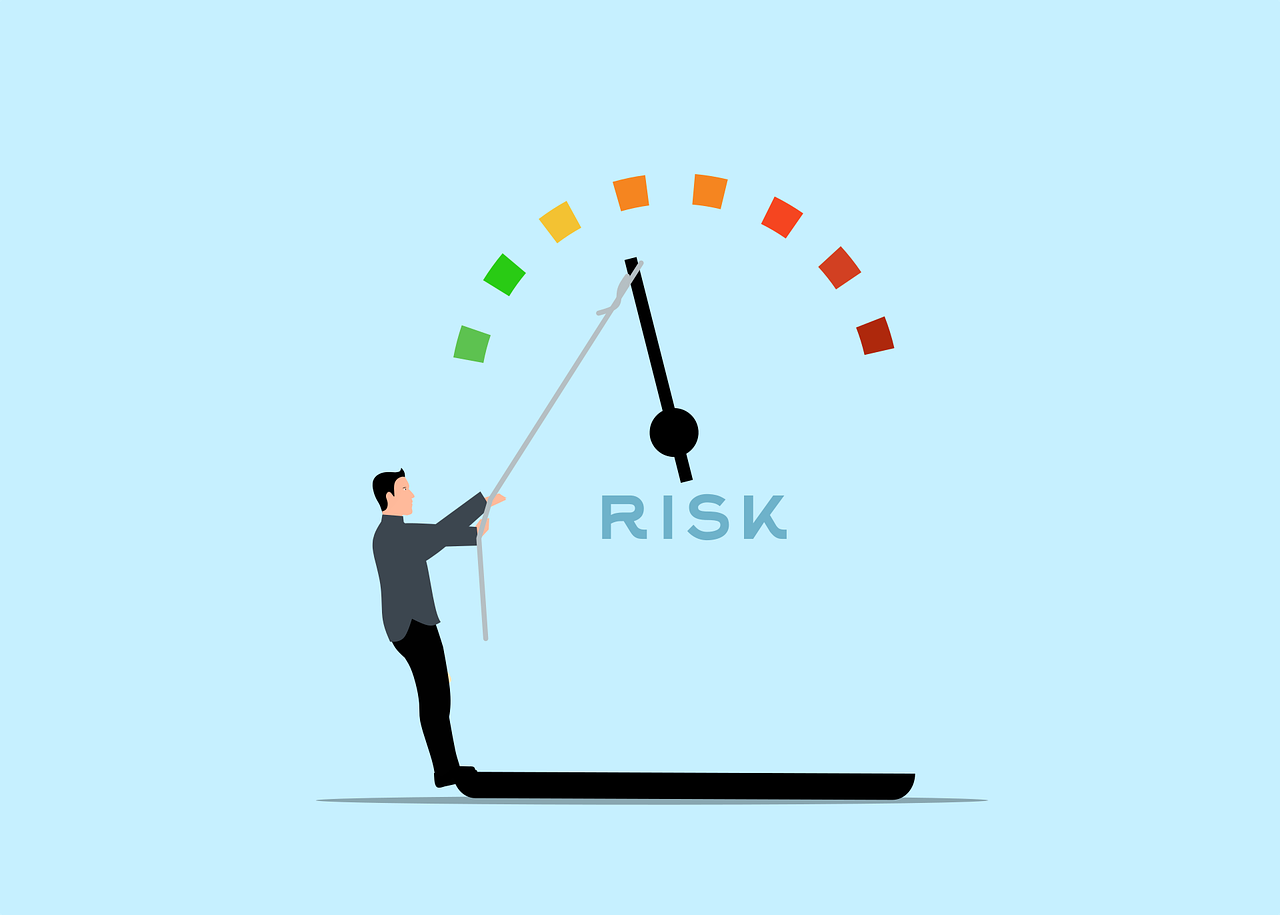
Effective communication in Scrum is not only about discussing tasks but also about sharing insights regarding risks and uncertainties. This can often be achieved through a shared digital platform where team members can submit risk assessments for various project elements. Collaboration tools can facilitate the tracking of identified risks, their impact, and potential measures developed to combat them. Scrum teams can utilize dashboards to visualize the risks throughout the project lifecycle. This visibility allows for collective ownership of risk among members, ensuring that decisions are informed and collaborative. Regular retrospectives provide additional opportunities for the team to revisit their risk management strategies. As the team reflects on sprint performance, they can also assess how well they managed risks throughout the cycle. This creates a feedback loop where risks are constantly being monitored and strategies adapted. Furthermore, integrating the perspectives of different team members can result in diverse insights, ultimately enhancing risk assessment quality. By establishing a cycle of communication that encompasses all aspects of the project, Scrum teams can mitigate risks more effectively and ensure greater project stability.
Continuous Improvement of Risk Management Processes
Scrum encourages continual improvement, which is vital for refining risk management processes. As teams gain experience, they should periodically review and adapt their risk management strategies to align with changing project dynamics. Sprint retrospectives serve as a platform for discussing what’s working and what’s not within risk management efforts. This creates a safe space for team members to share their insights candidly. As risk management processes are discussed, teams can analyze actual versus expected outcomes for risks previously identified. These discussions can lead to the identification of gaps in the approach. Analyzing the data related to risk occurrences can provide valuable insights, enhancing how future risks are addressed. Furthermore, incorporating stakeholder feedback into the process can result in identifying risks that may otherwise go unnoticed. By continuously revisiting and refining their practices, Scrum teams can develop more robust frameworks for managing risk over time. This agile approach results in a living process that evolves with project demands and resource challenges. Consequently, businesses will be better equipped to navigate uncertainties, ultimately improving their project success rates.
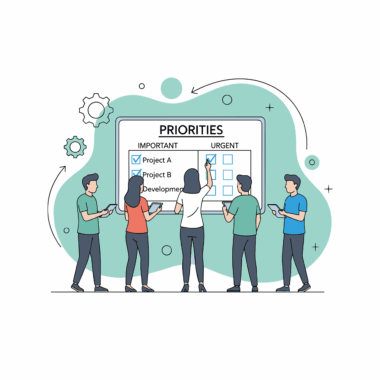
Lastly, the alignment of Scrum with risk management approaches such as Risk Mitigation Strategies proves invaluable for increasing project success. Mitigation strategies provide actionable insights into how teams should respond to specific risks. When integrated into the Scrum planning process, the team can prioritize risks based on severity and likelihood, allowing them to allocate resources more effectively. The practice of identifying and evaluating risks during backlog grooming can significantly streamline the agile workflow. Risks can be recorded within the Product Backlog to ensure ongoing attention. Additionally, creating specific action items for high-priority risks can keep them at the forefront of project activities. Ensuring that team members remain focused on risk awareness not only yields immediate benefits but also contributes to building a resilient environmental attitude in the team. By systematically addressing risks throughout all stages of a project’s life cycle, Scrum teams foster a proactive rather than reactive approach. This ultimately results in not just risk prevention but also in cultivating an adaptive learning loop within the organization, driving continuous improvement and innovation, essential in today’s rapidly changing business landscape.
Conclusion
In conclusion, leveraging the Scrum framework for effective risk management in business projects is a strategic approach that enhances project success. Its iterative nature promotes continuous assessment and responsiveness toward risks, leading to better project outcomes. By embedding risk management into the core of Scrum practices, businesses can cultivate a risk-aware culture that empowers teams. This approach fosters collaboration, open communication, and the sharing of insights, all of which are essential for identifying and mitigating risks early. Remember, risk management is not a one-time activity, but an ongoing process that evolves throughout the project. Continued learning through retrospectives and stakeholder feedback reinforces Scrum’s agile principles. By actively developing risk management capabilities alongside Scrum practices, organizations can adapt to changes more effectively and improve overall project stability. As we face an increasingly uncertain business environment, the agility and adaptability that Scrum offers can serve as a significant advantage. Therefore, businesses should not underestimate the potential of leveraging Scrum for superior risk management, ultimately paving the way for long-term success.