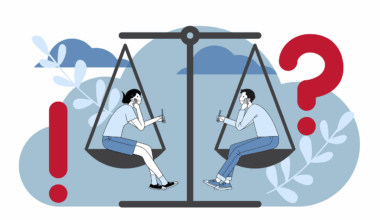

The Impact of Ethical Standards on Contractual Obligations
In today’s interconnected business world, ethical standards significantly influence contractual obligations. Businesses that prioritize ethical practices can cultivate long-lasting relationships with partners and clients. The essence of ethics in business is that it ensures fairness, transparency, and accountability, which are critical components of effective contractual relationships. Businesses that adhere to high ethical standards are more likely to honor their commitments and maintain trust. This trust is essential for both negotiations and performance. To reinforce ethical behavior, companies often develop codes of conduct that guide employees’ actions and decisions. This can include establishing ethical guidelines for contract negotiations and management. By doing so, organizations establish a framework that encourages integrity in all dealings. Furthermore, there is a growing expectation among consumers for businesses to operate ethically. This means that companies must not only meet legal obligations but also exceed them based on ethical considerations. Failure to do so can lead to reputational damage and financial losses. Therefore, integrating ethical standards in contractual obligations is not merely a choice; it’s a necessity in contemporary business practices.
Understanding the ethical implications of contracts enhances accountability. When businesses embrace ethical standards, they clarify expectations and obligations. Ethical considerations can help to ensure that all parties feel valued and respected, fostering an environment of collaboration. In cases where disputes arise, an ethical focus can guide conflict resolution and help maintain professional relationships. A growing number of organizations utilize ethical guidelines as a way to prevent potential legal disputes. This proactive approach often mitigates risks associated with breaches of contract. It can also lead to innovative solutions when complications happen. In addition, ethical conduct in contract dealings can positively impact a firm’s reputation. A strong reputation can attract new clients and offer a competitive edge in the marketplace. Moreover, regulatory authorities are increasingly enforcing compliance with ethical standards. Companies found lacking in ethical practices may face penalties or sanctions, adding a layer of financial risk. Implementing strong ethical frameworks allows organizations to navigate complex business environments more efficiently. This not only protects the company’s interests but also contributes to a more stable business ecosystem. Ultimately, respect for ethical obligations directly supports long-term operational success.
The Role of Trust in Ethical Business Practices
Trust is at the heart of every successful contractual agreement. When ethical standards are prioritized, trust builds significantly between parties involved. This trust plays a pivotal role in facilitating smoother negotiations and successful transactions. In environments where trust exists, businesses are more likely to engage in collaborations that yield mutual benefits. Furthermore, ethical standards reinforce the notion that businesses should operate transparently. This transparency fosters a culture where party expectations are understood and shared openly. By promoting open communication, businesses can prevent misunderstandings, which often compromise contractual agreements. When situations arise that require negotiations, trust allows for more amicable resolutions. Organizations that consistently operate with high ethical standards tend to create reputations for reliability and credibility. This reputation often means that potential partners are more willing to enter into agreements without excessive precaution or hesitation. In contrast, organizations known for unethical actions may face skepticism, which complicates business relationships. Trust established through ethical behavior acts as a safety net, reinforcing commitments made in contracts and ensuring smoother transactions. Hence, fostering trust through ethical practices is essential for any business aiming for sustainability.
In addition to trust, awareness of social responsibility plays a vital role in shaping ethical standards. As businesses engage with communities and environments, social responsibility becomes intertwined with their operations. Organizations operating ethically often recognize the broader implications of their activities on society. This recognition can manifest in various forms, ranging from environmental sustainability to fair labor practices. When businesses ensure that their contractual obligations reflect these values, they contribute to societal well-being. Clients and partners are increasingly drawn to companies that demonstrate a commitment to responsible business ethics. In many cases, this commitment influences purchasing decisions and contract negotiations. Moreover, organizations that align their operational practices with ethical standards tend to experience enhanced employee morale. Employees are more inclined to stay with companies they perceive as socially responsible. This, in turn, leads to higher productivity levels and increased loyalty. Therefore, businesses should regularly assess their ethical strategies and practices to ensure alignment with societal values. By doing so, they can build stronger relationships internally and externally. Ultimately, a robust ethical approach to business can lead to greater contract compliance and performance.
The Consequences of Ethical Breaches
The repercussions of failing to adhere to ethical standards in contractual obligations can be significant. Ethical breaches not only jeopardize relationships but can also result in legal consequences. When businesses disregard ethical considerations, they expose themselves to risks that may include litigation and financial loss. Additionally, breaches can lead to damaged reputations that take years to rebuild. In an age where information travels rapidly via social media, instances of unethical behavior can become public quickly, impacting a firm’s client base. The financial implications of losing customers or clients can create a serious strain on resources. To counteract these potential issues, organizations must prioritize ethical conduct in contract management. Investing in training and ethical guidelines can prevent violations and promote awareness among employees. Furthermore, firms that emphasize ethics tend to enjoy better relationships with stakeholders. Enhanced stakeholder relationships can provide additional avenues for collaboration and support. Thus, the cost of maintaining ethical standards is substantially lower than addressing the fallout from ethical breaches. Sustainable business practices ultimately result from a commitment to ethics in every aspect of operations.
The integration of ethical standards into contract management not only influences internal practices but also external perceptions. Stakeholders, including customers, suppliers, and regulatory authorities, look for ethical practices as indicators of reliability and professionalism. Businesses that demonstrate a deep commitment to ethics can differentiate themselves in crowded markets, establishing themselves as industry leaders. This differentiation is especially crucial in sectors with high levels of scrutiny. Ethical standards help companies navigate evolving regulations and industry expectations, ensuring compliance. By aligning their contractual obligations with ethical frameworks, organizations enhance their credibility and attract diverse partnerships. Moreover, a commitment to personal and corporate ethics may create opportunities for innovation. Firms driven to meet ethical standards are often inspired to develop sustainable practices that promote both profitability and responsibility. Thus, ethical considerations can guide decision-making throughout an organization. This integrated approach leads to better risk management and a more resilient business structure. Over time, businesses built on strong ethical foundations will likely outperform competitors who fail to prioritize such values. Therefore, integrating ethical standards into contractual obligations remains a strategic priority.
Future Trends in Business Ethics
Looking towards the future, the significance of ethical standards in business is expected to increase due to societal changes. As consumers become more aware of their purchasing power, they increasingly demand transparency and ethical behavior from businesses. This shift suggests a pressing need for companies to not only adhere to existing ethical practices but to innovate and expand them. Firms that are proactive in adopting robust ethical frameworks will not only comply with regulations but also benefit from enhanced consumer loyalty. Future trends may see businesses adopting more comprehensive standards, including sustainability metrics and social justice considerations. The evolution of technology also plays a role, as digital tools may be used to reinforce ethical practices. Blockchain technology, for instance, offers transparency that can be leveraged for ethical tracking. Furthermore, as globalization continues to expand, businesses must navigate diverse ethical considerations across different cultures and regions. Ultimately, the commitment to strong ethics in business will likely become a cornerstone of relational dynamics in contracts. To thrive in the future landscape, organizations must prioritize ethical standards as a fundamental aspect of their operations.