International Regulations Affecting Luxury Asset Transactions
In the domain of luxury asset management, understanding and adhering to international regulations is paramount for successful transactions. Wealth managers need to navigate a complex landscape of laws and guidelines that vary significantly across different jurisdictions. These regulations aim to ensure compliance with anti-money laundering (AML) policies, tax obligations, and investment requirements. By doing so, they not only protect their clients but also enhance their reputation within the financial industry. Moreover, failure to comply can result in severe consequences, including hefty fines and legal repercussions. Therefore, luxury asset managers must stay informed about changing regulations and seek guidance when necessary. Successful wealth managers will leverage technology to facilitate compliance, using specialized software for tracking and reporting purposes. Compliance should never be viewed as a mundane obligation; rather, it’s an integral part of building a trustworthy relationship with clients. Investors demand transparency and adherence to laws, particularly in today’s digital-first environment. The ability to walk clients through intricate regulations can set a wealth management firm apart from its competitors, showcasing both expertise and professionalism.
Moreover, regulations concerning luxury asset transactions can vary based on regional considerations and economic climates. For instance, European regulations might differ drastically from those in Asia or America. These differences impose unique challenges for wealth managers who operate on a global scale. To successfully navigate these chasms, luxury asset managers must be aware of local laws while ensuring multi-jurisdictional compliance. This ensures not just legality but also strategic prowess in asset acquisition and sale processes. Many luxury asset transactions involve high-value items, such as art, jewelry, and classic cars, which can raise additional compliance concerns. Furthermore, tax regulations surrounding luxury assets can also differ, prompting thorough investigation to prevent potential legal pitfalls. For instance, VAT (Value Added Tax) implications might come into play in certain geographic regions, affecting profit margins and pricing strategies. Utilizing local experts can offer vital insights that are crucial for compliance. Just as important is the role of communication with clients, helping to demystify complex legalese in a clear and concise manner, which fosters stronger relationships built on trust and confidence.
The Role of Due Diligence in Luxury Asset Management
Due diligence procedures are critical in luxury asset transactions, allowing wealth managers to assess the legitimacy and value of assets thoroughly. Buyers and sellers alike benefit from rigorous scrutiny, ensuring that transactions are both fair and compliant with existing regulations. The stakes are high when dealing with luxury assets, particularly those that carry costly implications in terms of legal issues and market fluctuations. Expert appraisals often serve as a cornerstone of due diligence, helping to provide clarity and assurance to involved parties. It’s crucial for asset managers to collect accurate information through a combination of title searches, asset evaluations, and provenance checks. Such measures also help to prevent fraudulent activities and enhance the overall integrity of the transaction process. Additionally, technology plays a significant role in facilitating due diligence by offering platforms designed for secure data sharing and analysis. Building a reputation for meticulous due diligence can substantially impact a wealth manager’s credibility, therefore making it a key component of successful luxury asset management that can pave the way for future business opportunities.
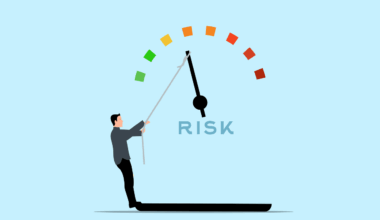
In addition to regulatory compliance and due diligence, the importance of effective risk management strategies cannot be overstated. Luxury assets carry inherent risks due to their volatile prices and potential for market instability. It becomes essential for wealth managers to develop refined strategies that address these risks while meeting client expectations. A comprehensive risk assessment should be conducted to evaluate potential threats, including fluctuations in asset pricing, geopolitical risks, and macroeconomic shifts. Incorporating this information into a tailored investment strategy allows wealth managers to mitigate risks proactively. Regular portfolio reviews and market analyses are also vital in maintaining asset alignment with client goals, ensuring that any necessary adjustments are made in a timely manner. Having contingency plans in place can provide additional layers of security for both the client and the wealth manager. Clients often seek reassurance during times of uncertainty, and having a solid risk management approach can bolster confidence in the services provided. By prioritizing risk management, luxury asset managers can navigate uncertainties and maintain their clients’ trust.
Client Education and Communication
Client education plays a vital role in luxury asset management, particularly regarding international regulations. Wealth managers must take the time to explain complex regulatory frameworks to their clients clearly and accessibly. This empowers clients to make informed decisions, while also reinforcing the wealth manager’s credibility and expertise. Regular seminars, webinars, and informational newsletters can serve as excellent tools for building client knowledge. Responsiveness and openness during these communications can further enhance relationships, paving the way for deeper client loyalty. Utilizing various content formats like video, articles, infographics, and podcasts can attract different learning styles and preferences, thereby increasing engagement. As regulations continue to evolve, ongoing education is key to maintaining compliance and minimizing risks. Therefore, wealth managers must commit to continuous education efforts for both themselves and their clients. In an age where information is abundant, providing valuable insights can distinguish a firm from its competitors, allowing them to create a unique value proposition based on education. Ultimately, well-informed clients are likely to be more satisfied, leading to repeat business and referrals.
Regulatory changes often impact luxury asset transactions, making it crucial for wealth managers to stay abreast of the latest developments. This requires constant vigilance and adaptability, as international regulations frequently shift based on political, economic, or social influences. For instance, sanctions or tariffs imposed by one country can have ripple effects on luxury asset markets worldwide. Consequently, wealth managers must devise strategies that accommodate evolving regulations while still securing profitable transactions for their clients. Engaging in professional associations, forums, and conferences can provide updated insights, opening doors to discuss emerging trends and regulations. Moreover, collaborating with legal experts who specialize in international law can enrich a firm’s strategic planning capabilities. Awareness of upcoming regulatory changes not only benefits transactions but also serves as a valuable client selling point. When clients see their wealth managers as forward-thinking and knowledgeable, they are more inclined to trust their guidance. Transparency related to regulatory matters can instill confidence in clients, reinforcing the necessity for wealth managers to be proactive in informing their clients about potential changes that may impact luxury asset management.
The Future of Luxury Asset Management Regulations
As the global marketplace continues to evolve, the future of luxury asset management regulations holds several implications for wealth managers. Emerging technologies, such as blockchain and artificial intelligence, are likely to play significant roles in shaping compliance measures. Blockchain, in particular, offers increased transparency and traceability, which can enhance trust in luxury asset transactions. In tandem, AI tools can provide data analysis with real-time insights into market trends and regulatory changes. These advancements will ensure that wealth managers can adapt swiftly to new requirements and market conditions. Moreover, anticipating the rise of environmental, social, and governance (ESG) criteria will likely influence luxury asset regulations in the coming years. As clients prioritize responsible investing, wealth managers must be prepared to integrate these factors into their strategies. Additionally, international regulatory bodies may continue tightening compliance standards for luxury assets, pushing for heightened scrutiny and greater accountability. Ultimately, staying at the forefront of these changes will empower wealth managers to offer informed, strategic counsel to their clients, thereby preserving the integrity and profitability of luxury asset transactions.
The intersection of international regulations and luxury asset management presents both challenges and opportunities for wealth managers. By embracing compliance as an integral part of their operations, they can build solid foundations for client trust and relationship management. Constant education and adaptation to regulatory changes are essential in creating value for clients and differentiating from competitors. Leveraging technology for compliance and due diligence processes can streamline operations, making them more resource-efficient. Furthermore, transparent client communication enhances credibility, fostering loyalty and long-term partnerships. As luxury asset managers navigate a complex regulatory environment, their ability to practice risk management and due diligence will define their success. Staying informed about emerging trends and technologies will prepare them for the future, enabling them to respond rapidly to changes in regulations. Ultimately, luxury asset management firms that prioritize compliance, client education, risk management, and technological adaptation will not only thrive in this dynamic space but also contribute to enhancing the overall integrity of luxury asset transactions.