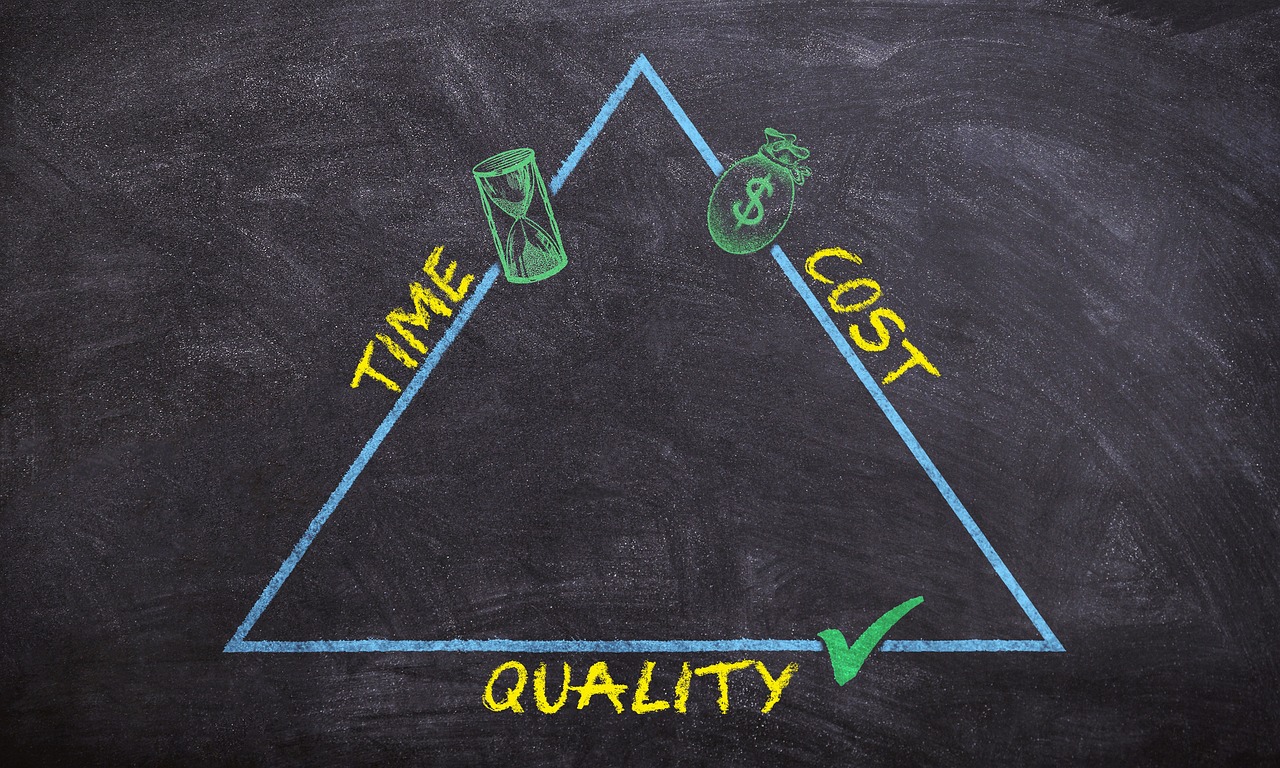

Balancing Quality, Cost, and Schedule in Execution
In project execution, striking the right balance between quality, cost, and schedule is crucial for the success of any endeavor. Quality defines the standards and expectations of the deliverables. Cost involves assessing the budget and allocating resources wisely. Schedule focuses on timely completion and project milestones. All three elements are tightly interlinked: improving quality often demands increased costs and time. Conversely, reducing costs can compromise quality and extend timelines. Project managers must adopt robust frameworks to maintain equilibrium. This includes regular evaluations, stakeholder communications, and setting realistic expectations. Utilizing methodologies such as Agile or Six Sigma can contribute to enhancing processes. Keeping teams motivated and focused on quality without spiraling costs is essential. Establishing clear roles and responsibilities and enabling open communication channels among team members fosters a collaborative environment. Adopting tools for tracking project performance ensures any discrepancies are monitored early. Regular progress assessments can help identify any potential issues or changes required in execution strategies. Overall, the art of balancing these critical factors underlies effective project management and successful project outcomes.
Each project undergoes unique challenges that may impact the balance of quality, cost, and schedule. It is pertinent for project managers to gain a deep understanding of all stakeholders involved. Comprehensive stakeholder management helps in aligning everyone’s expectations and understanding their needs and priorities. This can involve conducting interviews or surveys during the requirements-gathering phase. By collecting and analyzing feedback, project managers can identify critical areas impacting quality, cost, and timelines. Additionally, employing a risk management strategy mitigates unforeseen circumstances. This comprises identifying potential risks, assessing their impact, and creating responsive action plans. Always ensure that there are contingency budgets and time allowances within the initial project plan. Furthermore, technological advancements can be leveraged for the smooth execution of projects. Tools like project management software or cloud-based platforms enhance collaboration, adjusting timelines, and monitoring quality more efficiently. This encourages transparency for all parties involved. Moreover, investing in training and skill development for team members can also yield higher quality work output and innovation. In essence, becoming agile and prepared to adapt can significantly enhance the execution process and result in satisfied clients and profitable outcomes.
The Role of Communication in Project Teams
Communication serves as the backbone of successful project execution and balancing quality, cost, and schedule. Project managers should implement effective communication strategies to ensure that there is clarity, consistency, and credibility among all team members and stakeholders. Regular meetings, whether virtual or in-person, help maintain transparency regarding project progress and any issues that may arise. These meetings should not only focus on updates but also promote feedback exchanges. Establishing clear communication protocols ensures everyone understands their roles and responsibilities. Transparent communication encourages team members to share concerns or challenges they may face, allowing for early resolution of issues. Utilizing collaboration tools such as Slack, Jira, or Microsoft Teams improves interactive discussions and document sharing. Furthermore, communication can enhance accountability as team members know they have to report regularly on their contributions. Clear documentation of all communications aids reminiscing decisions made and prevents misunderstandings down the line. Ensuring that stakeholders are informed about project changes or challenges also cements trust and maintains their engagement. Ultimately, effective communication can bridge the gap between maintaining quality, adhering to costs and timelines in any particular project.
Prioritizing and managing various project tasks can also significantly impact the balance of quality, cost, and schedule. Implementing a structured prioritization approach, such as the Eisenhower Matrix or MoSCoW method, helps teams identify which tasks are essential versus those that can be deferred or eliminated. Furthermore, organizing tasks based on complexity and effort will facilitate better workload management among team members. Understanding task dependencies enables project managers to allocate resources judiciously to attain the desired outcomes without compromising quality. Identifying key deliverables and milestones early in the project lifecycle enables teams to trace their progress and remain focused on their objectives. Regularly re-evaluating priorities during project execution can also help address evolving stakeholder requirements or unforeseen circumstances. A flexible mindset allows teams to adapt their strategies and resource allocations as needed, ultimately protecting the project’s overall health. Additionally, engaging with subject matter experts can enhance quality in specialized tasks, resulting in optimized costs and timely deliverables. Consistent monitoring and adjustments made can help redirect project efforts toward quality-centric results while respecting budgets and deadlines.
Incentivizing Quality in Project Execution
Incentivizing quality in project execution is vital for maintaining the desired balance between quality, cost, and schedule. Offering incentives to team members for exceptional performance encourages them to go the extra mile in delivering high-quality results. This can involve bonuses, public recognitions, or opportunities for career development. The organization should create a culture that prioritizes quality in all aspects of project execution to foster this mindset. Implementing quality assurance practices, such as peer reviews and regular audits, ensures that quality standards are consistently met throughout the project lifecycle. Adequate training and resources are fundamental to enhancing team capabilities and supporting the quality aspect. Furthermore, soliciting feedback from internal and external stakeholders regarding project outcomes can help identify areas for improvement and reinforce the importance of quality enhancement initiatives. Including quality metrics in performance evaluations emphasizes its significance in the overall project. Facilitating workshops or training sessions can equip teams with best practices for quality management and assurance. Ultimately, a focus on quality drives better customer satisfaction and reduces costs associated with rework or delays, streamlining project execution and success.
Cost management should be an integral part of the project execution phase to assure quality and timely delivery. Developing a comprehensive budget necessitates careful planning, accurate forecasting, and diligent resource allocation. This entails tracking all financial expenditures related to the project, including labor, materials, and overheads. Periodic budget reviews help identify any discrepancies leading to overspending and facilitate timely course corrections. When quality is prioritized in project planning, it eventually contributes to controlling costs as well. Training team members and ensuring they understand project requirements can minimize waste and errors that often incur extra costs. Implementing a change management process likewise protects budget integrity by ensuring all changes are pre-approved and assessed for cost implications. Keeping stakeholders informed regarding budget constraints ensures they remain engaged in decision-making aligned with financial expectations. Moreover, fostering collaboration between finance and project teams enhances compliance with budgetary guidelines. The careful balancing of cost while maintaining quality translates into smoother project execution devoid of financial stress. Consequently, this proactive approach enhances project tracking and controls while maximizing the value of the efforts invested in each endeavor.
Regular Monitoring and Assessment
Regular monitoring and assessment of the project state are critical to achieving the balance between quality, cost, and schedule. Implementing performance metrics to evaluate these three components early on allows project managers to identify any divergences promptly. Utilizing tools such as dashboards or Gantt charts provides visual insights that help assess how well the project is progressing against its goals. Key performance indicators (KPIs) should be established for each aspect of project execution, as they create targeted measurement criteria. Frequent check-ins and status reports ensure a constant assessment loop that fosters accountability among team members. These sessions provide a platform for discussing roadblocks and strategizing solutions collaboratively. Moreover, learning from previous projects and documenting lessons learned offers invaluable insights for future planning. Continuous improvement in processes through iterative feedback cultivates an environment of excellence. Engaging in post-project reviews guarantees that all significant learnings are recognized and applied in future projects to uphold quality standards while maintaining cost controls and schedules. By fostering a culture of assessment, organizations can streamline their execution processes and build a solid foundation for successful project outcomes.
Equally vital is the ability to adapt to changes in the project environment, which may arise due to external factors or stakeholder feedback. The dynamic nature of projects often necessitates reevaluation and adjustments regarding quality standards, budgets, and timelines. Project managers must remain agile and responsive to such changes without compromising the core objectives of the project. Establishing a change control process allows teams to absorb fluctuations systematically while minimizing disruptions. This can include evaluating the potential impact of changes on quality, cost, and schedule before implementation. By maintaining open lines of communication and involving stakeholders in the decision-making process, teams can better align changes with overall project goals. Additionally, leveraging technology to manage adaptive project plans can facilitate timely updates and tracking progress seamlessly. Regular feedback loops and iterative development practices can embed flexibility into project execution, enabling quicker responses to changes. Overall, embracing adaptability while keeping quality as a priority leads to successful project execution, ensuring client satisfaction while navigating the complexities of cost and schedule management. It empowers project teams to meet challenges head-on and continue thriving in a competitive landscape.