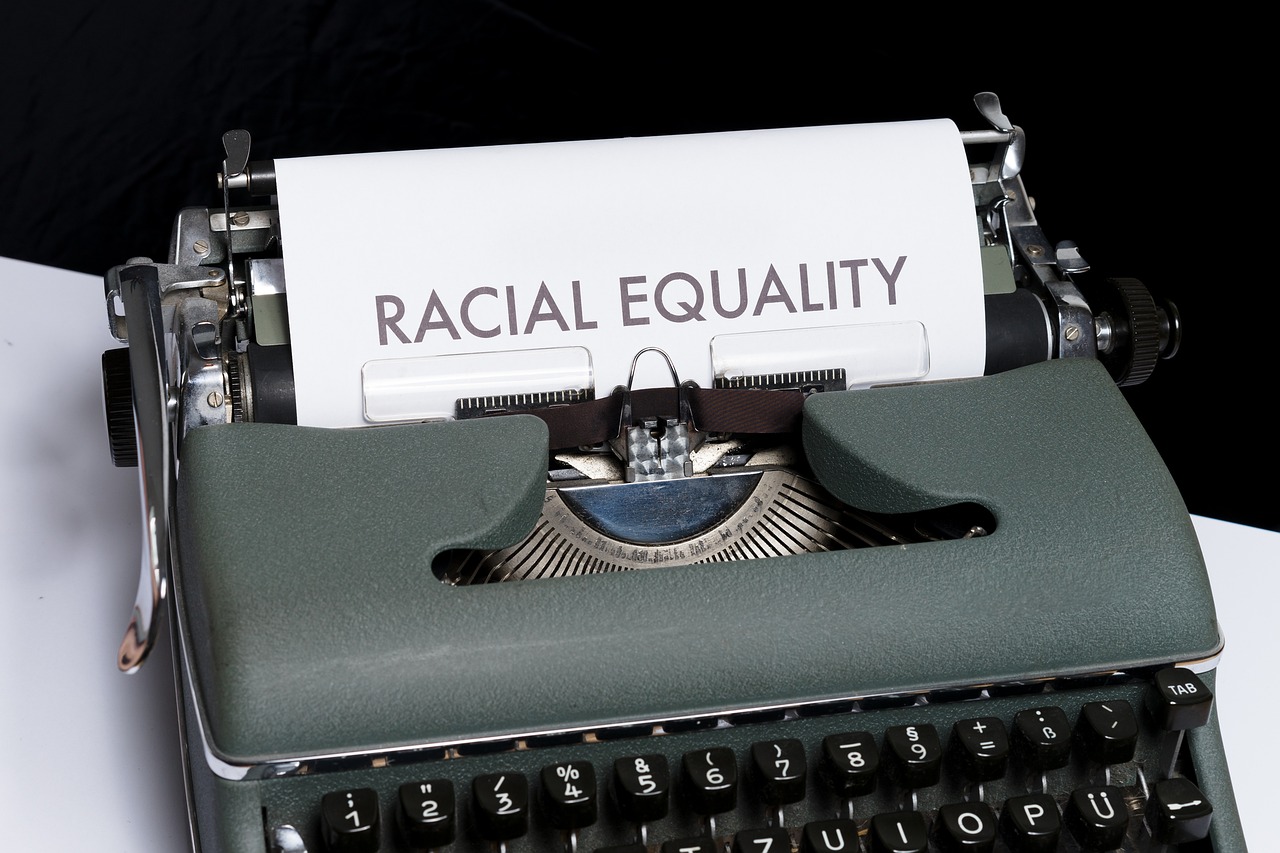

Workplace Discrimination Laws: A Comprehensive Guide
Workplace discrimination laws play an essential role in protecting employees from unfair treatment based on characteristics such as race, gender, disability, and age. Enacted to promote equality, these laws are crucial for fostering an inclusive work environment. Different federal and state laws exist that prohibit discriminatory practices in hiring, firing, promotions, and other workplace aspects. Employers are required to have policies in place to prevent discrimination and protect employees from retaliation. Understanding these laws is vital for both employees and employers. Employees should be aware of their rights to ensure they are not victims of unjust discrimination, while employers must comply to avoid legal repercussions. Failure to adhere to these laws can result in lawsuits, significant financial penalties, and reputational damage. It is crucial for both parties to understand not just the laws themselves, but also the processes for reporting discrimination cases. This guide aims to provide a thorough overview of the laws governing workplace discrimination, highlighting essential provisions and protections afforded to employees under various federal and state regulations.
Federal Anti-Discrimination Laws
Federal anti-discrimination laws are foundational pieces in the legal landscape surrounding workplace equality. Among the most significant is Title VII of the Civil Rights Act of 1964, which prohibits discrimination based on race, color, religion, sex, or national origin. Additionally, the Age Discrimination in Employment Act (ADEA) protects workers over the age of 40 from age-based discrimination, while the Americans with Disabilities Act (ADA) ensures individuals with disabilities have equal opportunities in the workplace. These laws offer legal recourse for employees who experience workplace discrimination. For example, employees can file a complaint with the Equal Employment Opportunity Commission (EEOC) if they believe they have been discriminated against. The EEOC investigates complaints, and when warranted, can file lawsuits against employers who violate these laws. Employers are also mandated to engage in reasonable accommodations for disabled employees under the ADA. Understanding these federal laws helps both employees and employers maintain compliance, fostering a healthier workplace environment that promotes equality and respect for all individuals, regardless of their personal characteristics.
In addition to federal laws, state-specific legislation offers more protections against workplace discrimination. Many states have enacted laws that protect individuals from discrimination based on additional characteristics beyond those covered by federal laws. For instance, some states prohibit discrimination based on sexual orientation or gender identity, fostering greater inclusivity. State laws may provide employees with the ability to pursue claims in state courts with different procedures or statutes of limitations compared to federal laws. Moreover, many states have implemented laws mandating employers to engage in diversity training programs, aimed at preventing discrimination and fostering a culture of respect in the workplace. While federal laws set a baseline for workplace equality, state laws often expand the scope of protection, ensuring a more comprehensive approach to preventing workplace discrimination and promoting fair treatment for all employees. Employees must familiarize themselves with these local protections, as they can offer additional avenues for addressing grievances and reinforcing workplace equality on a broader scale.
Common Forms of Workplace Discrimination
Various forms of workplace discrimination can manifest in different ways, impacting employees’ experiences and career opportunities negatively. One prevalent form is gender discrimination, which often results in unequal pay, limited promotions, and biased hiring practices. Another critical area is racial discrimination, where employees may face stereotyping or lack of career advancement opportunities due to their ethnic backgrounds. Disability discrimination occurs when qualified individuals with disabilities are not provided with reasonable accommodations or are unfairly treated based on their ability. Furthermore, age discrimination affects older workers, who may find it increasingly challenging to secure positions due to age-related biases. Emotional, psychological, and economic ramifications for employees can be severe, leading to decreased job satisfaction and adverse mental health outcomes. Understanding these various forms of discrimination is crucial for recognizing when an individual’s rights have been compromised in the workplace. Employers must actively work to identify and eliminate these discriminatory practices, creating fair and equitable environments for all employees to thrive and succeed in their careers.
The ramifications of workplace discrimination can significantly affect both employees and employers. For employees, facing discrimination can lead to severe mental and emotional distress, hindering their productivity and overall job satisfaction. Financially, employees may experience loss of income and career advancement opportunities, as they may not receive promotions or raises. For employers, the failure to address discrimination cases can result in lawsuits, which can incur substantial costs, damage the organization’s reputation, and disrupt operations. Furthermore, a toxic workplace culture can arise, leading to high employee turnover rates and difficulty in attracting new talent. Employers, therefore, must prioritize creating a discrimination-free work environment to not only safeguard their employees but protect their business interests as well. Implementing comprehensive anti-discrimination policies and providing diversity training can serve as proactive measures to mitigate potential conflicts. Additionally, fostering open communication channels encourages employees to report discrimination freely, ensuring prompt resolution of issues. Ultimately, addressing workplace discrimination benefits both parties and contributes to a more positive and inclusive working environment.
Steps to Take if Discrimination Occurs
When employees face workplace discrimination, knowing the right steps to take is essential for addressing the issue effectively. The first step involves documenting the discriminatory behaviors or incidents, ensuring to include dates, times, and witnesses if possible. This documentation serves as valuable evidence if the situation escalates to filing a complaint. Employees should then consult their company’s employee handbook to understand the organization’s policies regarding discrimination reporting. Following the internal procedures is vital, and submitting a formal complaint to the human resources (HR) department often marks the next critical step. Trustworthy and transparent communication with HR is crucial, as it initiates an investigation into the claims. Depending on the response from the employer and the outcomes of the internal investigation, employees may then choose to pursue action with external authorities such as the EEOC or local state agencies. Seeking legal counsel can provide further support and guidance throughout the process, especially if considering litigation. Being proactive and informed empowers employees to take the necessary actions against discrimination effectively.
Education and awareness are paramount in combating workplace discrimination and fostering a culture of respect and equality. Organizations should prioritize implementing comprehensive training programs aimed at educating employees and management about discrimination laws and best practices. These programs can cover topics such as unconscious bias, communication skills, diversity, and inclusion. By providing resources that promote understanding and open dialogues, employers create safe spaces encouraging individuals to share their concerns without fear. Furthermore, organizations can establish regular assessments of workplace culture and practices to identify potential issues before they escalate. Allowing employees to voice their experiences and suggestions regarding discrimination policies will help foster a sense of ownership and accountability. Establishing clear anti-discrimination policies that delineate expected behaviors and consequences can further enhance workplace understanding. Collaboration between employees and management ensures that everyone is invested in maintaining a discrimination-free environment. Ultimately, the success of anti-discrimination efforts relies on creating an inclusive workplace atmosphere where individuals are valued and able to perform to their fullest potential.
In conclusion, workplace discrimination laws are vital to maintaining a fair and equitable work environment. These laws empower employees, providing them with the necessary legal recourse to confront and address discrimination. It is crucial for both employees and employers to understand the scope and detail of these laws, including federal and state protections. By actively engaging in education and implementing strong anti-discrimination policies, workplaces can create healthier environments that foster equality for all individuals. Continuous awareness and understanding around discrimination forms are necessary for identifying and addressing issues before they escalate. Furthermore, taking appropriate steps when discrimination occurs can effectively mitigate situations and support affected individuals. Both parties must remain proactive in ensuring compliance with these laws, as the consequences of neglecting workplace discrimination can be detrimental, not just for employees, but also for the organization as a whole. As we champion workplace rights, it is imperative to work diligently toward an inclusive and respectful working atmosphere. By embracing diversity and equality, employers and employees alike can contribute to building a more equitable future.