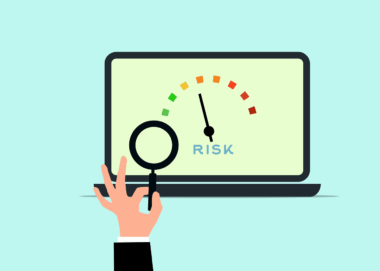

Understanding Regulatory Requirements for Corporate Governance
Corporate governance is a multifaceted system that dictates how corporations are directed, controlled, and held accountable. In a rapidly changing regulatory landscape, understanding regulatory requirements surrounding Corporate Governance, specifically regarding Governance, Risk, and Compliance (GRC), becomes crucial for all organizations. Regulatory bodies establish a framework that mandates organizations adopt sound governance practices to mitigate risks and maintain compliance with laws. Furthermore, effective corporate governance is essential for sustaining investor confidence and ensuring transparency within the marketplace. Organizations must stay abreast of these evolving regulations to avoid penalties. Inadequate governance can lead to severe repercussions, including loss of reputation, legal liabilities, and financial difficulties. Stakeholders now expect firms to go beyond mere compliance, requiring them to foster a culture of ethical conduct and risk management. Companies should establish clear governance structures, delineate roles and responsibilities, and implement processes that align with regulatory expectations. Regular audits and assessments can further ensure that governance practices evolve alongside regulatory changes to meet stakeholders’ requirements effectively. Commitment to enhancing these aspects will equip organizations to thrive in the competitive business environment.
Understanding the implications of various regulatory frameworks is vital. These frameworks establish crucial standards to adhere to, which further protect stakeholders. Corporations must comply with regulations such as the Sarbanes-Oxley Act, which emphasizes accountability and rigorous record-keeping. In addition, frameworks such as COSO help organizations establish effective governance structures to manage risk comprehensively. Each framework provides guidelines that dictate how businesses should operate responsibly. Moreover, organizations are increasingly gravitating towards frameworks like ISO 31000 for risk management. These frameworks offer standardized methodologies for identifying and mitigating financial, operational, and reputational risks. By aligning their policies with these standards, organizations can either ensure compliance or adapt their strategies to meet expectations effectively. Boards of directors play an essential role in this context, facilitating governance practices and overseeing compliance mechanisms. Regular training and awareness programs for employees also support adherence to these frameworks. These initiatives nurture a culture of compliance throughout the organization, thereby enhancing overall governance. Safe practices in governance and compliance not only lead to regulatory adherence but also bolster investor confidence and foster sustainable business growth.
Importance of Transparency in Corporate Governance
Transparency stands as a foundational principle of effective corporate governance. It cultivates trust and assures stakeholders that an organization operates with integrity. To promote transparency, companies must disclose relevant information proactively, including financial statements, risk exposure, and compliance status. Regular communication with investors, regulators, and other stakeholders is essential to maintaining this openness. This proactive approach helps establish an environment where stakeholders feel informed and engaged. Additionally, transparency can significantly enhance the decision-making process by providing stakeholders with necessary information to gauge organizational performance accurately. The increased focus on ethical guidelines, supported by transparency, allows firms to build stronger reputations over time. Best practices in transparency often involve the formulation of policies regarding the timely and accurate reporting of information. Establishing strong communication avenues with stakeholders can ensure all parties remain informed of corporate actions and decisions. Companies are expected to adhere to these transparency standards, especially in sectors that operate under high scrutiny. Failure to maintain transparency could lead to distrust, jeopardizing the organization’s sustainability in the long run. Hence, transparency in corporate governance is not merely a regulatory requirement but a vital component of strong corporate ethics.
Implementing effective risk management strategies is crucial for organizations seeking to achieve compliance with regulatory requirements. Risk management aligns with corporate governance by identifying potential hazards that could impede an organization from achieving its objectives. A systematic approach to risk involves assessing, monitoring, and mitigating risks across various business functions. This proactive stance allows organizations to address potential issues before they escalate into significant challenges. Organizations are encouraged to use comprehensive frameworks that guide their risk management processes consistently. These frameworks help instill a risk-aware culture, empowering employees at every level to recognize potential risks and respond accordingly. Moreover, organizations should invest in training programs that upskill staff in understanding risk factors pertinent to their roles. Leveraging technology can also streamline risk management efforts, providing real-time data analytics for informed decision-making. Effective documentation, communication channels, and processes ensure alignment with regulatory expectations and reinforce compliance. Regular risk assessments further enable organizations to evolve. Engaging in collaborative discussions about risks promotes transparency, ensuring governance structures remain aligned with regulatory requirements. Therefore, robust risk management practices form a cornerstone of effective compliance strategies.
The Role of Ethical Leadership
Ethical leadership is integral in shaping corporate governance frameworks that prioritize compliance and accountability. Leadership sets the tone for the entire organization, influencing attitudes and behaviors toward governance practices. Ethical leaders act as role models, fostering a culture of integrity and ethical decision-making throughout the organization. Their commitment to ethical values is reflected in corporate policies and procedures, guiding employees in conducting themselves responsibly. Regular ethics training can help reinforce the expectations for ethical conduct stemming from leadership. Furthermore, the establishment of ethical frameworks ensures that organizations remain aligned with regulatory mandates. By practicing transparency in their decision-making processes, ethical leaders not only build trust among stakeholders but also enhance organizational reputation. They often engage in open dialogues with employees and stakeholders, reinforcing the importance of ethical conduct in achieving compliance. Regular assessments of governance practices can reveal areas for improvement, aligning organizational culture with regulatory expectations. A commitment to ethical leadership ultimately steers organizations toward sustainable governance and compliance, showcasing that values and business success are interconnected. As investors prioritize ethical practices, governance structures supported by ethical leadership become ever more essential.
Organizations must often adapt to new regulatory guidelines, reinforcing the need for continuous improvement in governance practices. The changing nature of regulations necessitates the reassessment of existing policies to ensure compliance and effectiveness. Regular audits and assessments identify gaps in governance and compliance frameworks, helping organizations mitigate potential vulnerabilities. Continuous improvement involves fostering a culture where feedback is encouraged and utilized constructively to enhance governance practices. Engaging stakeholders in discussions about governance can yield insights that contribute to more robust policies. By analyzing lessons learned from past compliance failures, organizations can better prepare for future challenges. Investing in technology that streamlines compliance reporting can also significantly improve governance efforts. Real-time monitoring of compliance metrics provides organizations with essential data. This data serves as a foundation for making informed decisions that enhance governance frameworks over time. Organizations should prioritize training programs that emphasize the importance of adhering to evolving regulatory requirements while embedding a culture of continuous improvement. Striving for excellence in governance not only aligns organizations with compliance but also prepares them to navigate the complexities of today’s business landscape more effectively.
Conclusion
Building an effective governance framework requires a collective effort from all stakeholders involved within an organization. Companies must recognize that compliance with regulatory requirements is not simply a legal obligation; it is also essential for sustainable growth. The integration of Governance, Risk, and Compliance (GRC) processes fosters a proactive approach that enhances decision-making, cultivates trust, and preserves organizational integrity. By focusing on transparency and ethical leadership, organizations create a solid foundation for robust governance practices. The evolving nature of regulatory requirements highlights the importance of maintaining a culture of vigilance and continuous improvement. Companies should engage their boards to oversee compliance and risk management diligently. Encouraging an open dialogue between management and stakeholders promotes an environment of trust. With the right systems in place, organizations can meet regulatory requirements while also driving business success. Ultimately, embracing effective governance leads to improved operational efficiency, stronger stakeholder relationships, and a sustainable corporate legacy. As businesses grow increasingly interconnected, the necessity of solid corporate governance remains paramount across industries.
As societies and economies evolve, so too do the needs for effective corporate governance. Companies must remain vigilant and adaptive to the risks and opportunities presented by this ever-changing landscape. By adopting best practices in GRC, organizations not only comply with regulations but also enhance their resilience in the face of uncertainty. Identifying potential risks and integrating risk management into corporate strategies empowers organizations to work beyond minimum compliance. Each organization must understand its unique context and craft governance frameworks that reflect its specific risks, objectives, and stakeholder expectations. This customized approach fosters the ability to innovate while minimizing risk exposure. Moreover, transparent communication regarding governance practices reinforces accountability and trust among stakeholders. The growing focus on ethical leadership and transparency underscores the interconnectedness of compliance, governance, and corporate success. Consequently, organizations committed to effective governance naturally foster a culture of ethical practice, enhancing their reputation and stakeholder engagement. For companies to remain competitive today, leveraging governance as a strategic asset is crucial. It invites stakeholders to participate actively in shaping initiatives that drive sustainable value and impact. The pursuit of excellence in governance is indeed a journey towards long-term success.