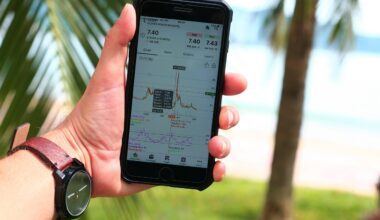

Overview of Personal Finance Apps with Cryptocurrency Support
In today’s financial landscape, personal finance apps have become essential tools for budgeting and tracking expenses. Many of these apps now incorporate cryptocurrency features, allowing users to manage both traditional finances and digital assets seamlessly. This dual functionality appeals to users who want to invest in cryptocurrencies while managing their daily spending. Cryptocurrency support enhances the experience by integrating features such as real-time market data, portfolio tracking, and intuitive trading options. Users appreciate the ability to view their entire financial picture, including cryptocurrencies, in one app. This convenience encourages better financial decisions and investment strategies. Leading apps incorporate advanced technologies, offering users security and easy access. With the rise of digital currencies, personal finance apps must evolve. As technology continues to progress, more features like automated savings and advanced analytics have become available. Users desire tools that not only manage wallets but also offer insightful recommendations. Understanding these needs is crucial for developers to create innovative solutions. Overall, these apps can empower individuals with newfound financial literacy and confidence in navigating both fiat and cryptocurrency realms effectively.
Choosing the right personal finance app with cryptocurrency support can significantly impact financial success. Several key factors come into play when selecting a suitable application. Firstly, users should assess their primary goals such as budgeting, investment tracking, or expense management. Evaluating the app’s user interface is essential, as ease of navigation enhances user experience. Additionally, security features are imperative due to the digital nature of cryptocurrencies. Look for apps that employ robust encryption standards and provide two-factor authentication to safeguard sensitive data. Some notable apps provide educational resources, allowing users to learn about cryptocurrency investments, which can be advantageous for beginners. Furthermore, integration with various financial platforms simplifies the management of both traditional bank accounts and crypto wallets. Some applications also offer tax reporting features, assisting users in understanding their tax implications related to crypto transactions. Reading user reviews and expert analyses can help make informed decisions. When users work with trusted and well-rated applications, confidence in managing vast crypto portfolios increases. Ultimately, understanding the target audience’s unique needs and wants leads to a superior app experience that fosters smarter, more informed financial choices.
Popular Personal Finance Apps with Cryptocurrency Features
Several personal finance apps stand out for their cryptocurrency support, each offering unique features tailored to varying user needs. One prominent app is Mint, which helps users budget effectively while tracking their cryptocurrency investments. Mint provides an intuitive interface for visualizing finances through graphs and alerts. Another noteworthy app is BlockFi, which focuses specifically on cryptocurrency investments. BlockFi allows users to earn interest on their crypto assets, providing added value beyond traditional finance management. Robinhood also deserves mention, as it enables commission-free trading of cryptocurrencies alongside stocks. This feature attracts millennial investors eager to explore new asset classes. For those looking for tax reporting in crypto assets, CryptoTrader.Tax simplifies the process by generating necessary forms efficiently. Some users prefer YNAB (You Need A Budget) due to its zero-based budgeting approach. Its cryptocurrency support ensures an organized and detailed budget that includes digital assets. Additionally, Coinbase Wallet integrates financial functionalities, allowing easy use for trading and spending. Overall, users can select from various options according to their specific financial plans and needs.
Security is a crucial concern when managing finances using personal finance apps. Most reputable apps employ top-notch security measures to safeguard user data and transactions. These measures include end-to-end encryption, secure wallet technology, and regular security assessments to identify potential vulnerabilities. Additionally, many apps offer two-factor authentication (2FA), enhancing security during the login process. Users should also remain vigilant regarding security updates and notifications from their respective apps. It’s vital to verify that the apps they use regularly update their software, ensuring they remain protected against emerging threats. Furthermore, users should utilize strong passwords and change them frequently, minimizing risks associated with unauthorized access. When dealing with cryptocurrencies, education surrounding security protocols is even more critical. Understanding how to protect wallet information and sensitive data can prevent irreversible losses. Users should store their cryptocurrencies in secure environments such as hardware wallets, significantly mitigating hacking risks. Implementing good security practices will lead to safer transactions and improved confidence in utilizing personal finance apps with cryptocurrency features. Ultimately, maintaining security awareness and diligence will contribute positively to financial management experiences.
The Role of AI in Enhancing User Experience
Artificial Intelligence (AI) plays a significant role in enhancing user experience within personal finance apps. AI algorithms can analyze spending habits, identify trends, and provide personalized recommendations for budgeting improvements. As users interact with the app, AI learns from their behaviors, helping tailor financial guidance specific to user profiles. This personalization increases the app’s relevance, allowing users to develop better financial awareness. Furthermore, AI can assist in predicting future expenses, enabling users to plan effectively for upcoming bills or discretionary spending. Incorporating AI into cryptocurrency management improves portfolio tracking capabilities as well, allowing users to receive real-time alerts on significant market fluctuations. Advanced AI features even offer investment strategies based on market performance predictions, guiding users through volatile crypto landscapes. As technology continues to advance, expect greater integration of AI within these applications, enabling smarter, data-driven decisions for personal finance management. AI-powered tools can help demystify complex financial concepts surrounding cryptocurrencies, ultimately fostering confidence among users. By elevating user experiences, AI can revolutionize how individuals navigate financial landscapes.
Budgeting is a cornerstone activity, and personal finance apps equipped with cryptocurrency support facilitate this process effectively. Users can create customizable budgets that encompass both traditional expenses and cryptocurrency investments. This holistic view of personal finances empowers users to allocate funds more effectively, ensuring they meet their saving and spending goals. Through automated expense tracking, users can identify spending habits and trends, leading to more mindful consumption. The engagement of budget goals with cryptocurrency investments motivates users to understand asset performance, aligning with their financial objectives. Many apps offer visual representations of budgets, allowing users to see reported overspending or areas needing adjustment. This visual feedback plays a crucial role in overcoming common budgeting obstacles. Additionally, notifications can prompt users to stay on track, preventing unnecessary overspending. As budgeting continues to evolve, the integration of cryptocurrencies provides users with a comprehensive approach to financial management. Ultimately, effective budgeting leads to improved financial stability and empowers users to increase their investments thoughtfully. Users gain clarity and confidence in their financial decisions, paving the way for better overall management.
Future Trends in Personal Finance Apps
The future of personal finance apps with cryptocurrency support looks promising as technology continues to advance. Users are increasingly seeking features that enhance their overall management experience. One emerging trend is the seamless integration of blockchain technology, fostering transparency and improved security within financial platforms. Streamlining cross-border transactions can also enhance user experience, allowing them to manage global assets effortlessly. Moreover, the demand for educational resources surrounding cryptocurrency investments is growing. Apps that provide user-friendly resources and tutorials help demystify this complex financial space, empowering users to invest fearlessly. There is an ongoing emphasis on personalization, where apps evolve based on user behaviors and preferences. Expect to see more tailored financial plans that adapt over time, leading to better financial outcomes. Another expected trend is the rise of gamification, where financial management becomes engaging and interactive. Users enjoy learning through games, resulting in better financial decisions. As technology continues to progress, the expectations for these applications will rise significantly. Personal finance apps must prioritize seamless user experiences, educational tools, and innovative features to meet evolving user needs effectively.
In conclusion, the integration of cryptocurrency features into personal finance apps is revolutionizing how users manage their finances. Users can now combine budgeting and cryptocurrency investing effortlessly, gaining a comprehensive view of their financial health. This transformation encourages individuals to adapt to changing financial landscapes, making informed decisions that align with both traditional and digital assets. Selecting the right personal finance app depends on understanding personal goals, security needs, and desired features, leading to optimal choices. The incorporation of AI and enhanced security measures further strengthens user confidence, ensuring financial data remains secure. As users engage more with cryptocurrencies, investing knowledge becomes crucial to ensure successful outcomes. Future developments in these apps will likely focus on user-centric features, balancing technical sophistication and simplicity. Users will benefit from personalized budgeting tools, educational resources, and distinct security options as the technology evolves. By leveraging the strengths of both personal finance management and cryptocurrency support, users can enhance their financial stability. Ultimately, personal finance apps with cryptocurrency features pave the way for modern financial literacy and informed investment strategies, empowering users on their financial journeys.