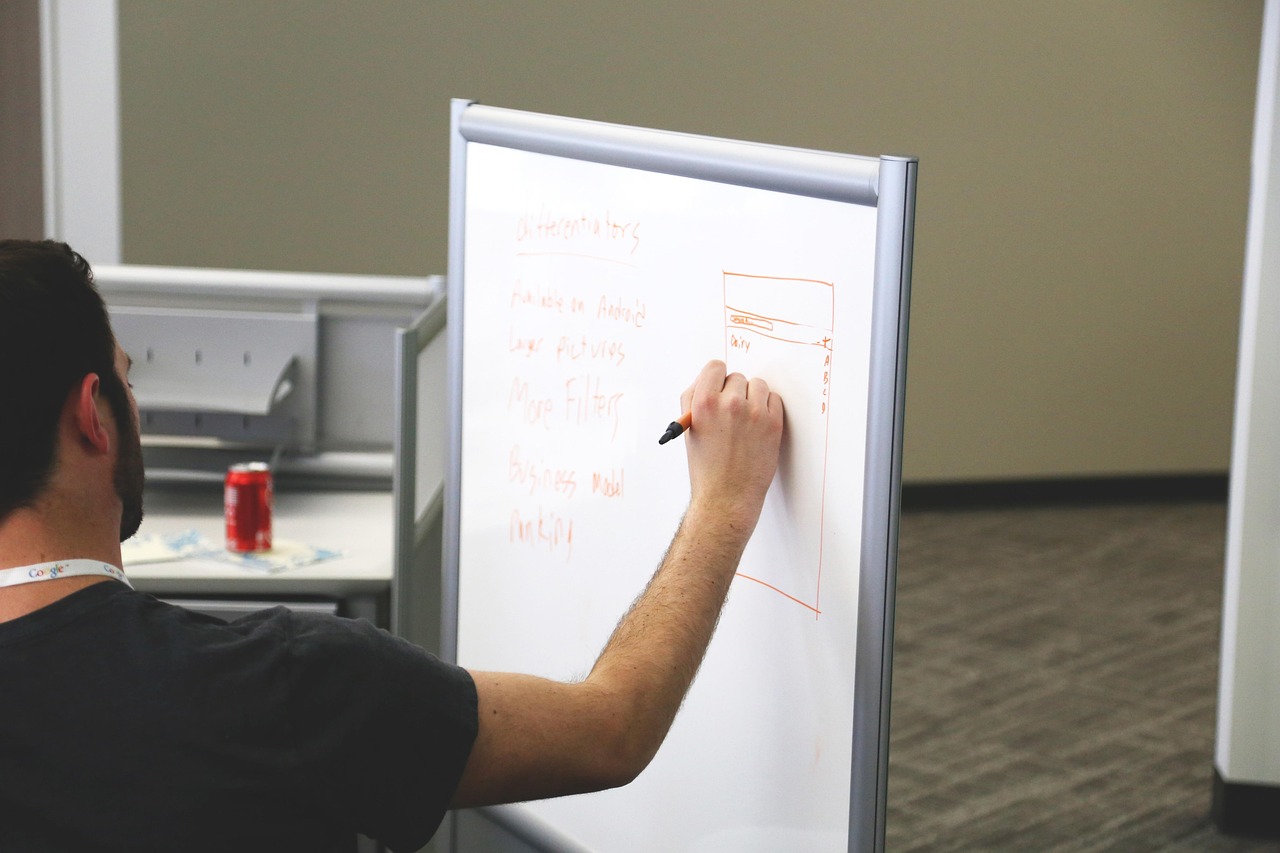

How to Prepare Your Startup for Investor Presentations
Proper preparation for investor presentations can drastically improve your startup’s chances of securing funding. First and foremost, understand your audience. Research the investors who will attend, their past investments, and their areas of interest. This insight will guide your pitch style and content, tailored to align with what appeals to them. Next, craft a compelling narrative. Every startup has a unique story; convey it effectively. Begin with the problem your product addresses, then present your solution compellingly. Highlight the market opportunity and business model concisely. Visual aids can enhance your presentation. Utilize slides or infographics to depict complex data clearly. The key is to ensure visuals are not overly cluttered; simplicity is vital. Moreover, anticipate potential questions and objections investors may pose. Prepare thoughtful responses that demonstrate your knowledge and confidence. Additionally, practice your pitch multiple times. Rehearse in front of peers or mentors to gather feedback and refine your delivery. Lastly, build rapport with investors during and after the pitch. Networking can often yield further opportunities and invaluable support.
Feedback is crucial during the preparation phase of your presentation. Take the time to seek input from various stakeholders. This includes team members, mentors, and even fellow entrepreneurs. They can provide insights you might overlook and suggest enhancements to your pitch. Addressing their feedback can help fortify your narrative and presentation structure. Furthermore, focus on showcasing your team. Investors often invest in people as much as they do in ideas. Highlight the strengths and experiences of each member that make your team uniquely qualified to execute the business plan successfully. Include relevant achievements, skills, and any previous entrepreneurial successes. Keep it concise, focusing on how each member contributes to the overall vision. Additionally, ensure your financials are transparent and realistic. Prepare detailed projections, demonstrating a clear understanding of your startup’s financial needs. Include charts or tables where needed, making sure they are easy to read. Always be ready to justify your financial assumptions, which may include market trends or competitive benchmarks. Remember, clarity and honesty about your numbers will build investor trust and credibility.
Practicing Your Investor Pitch
Practice should play a pivotal role in your preparation for investor presentations. Rehearsal enables you to refine your delivery style, allowing for natural fluency during your pitch. Choose an appropriate setting during practice — a quiet place with minimal distractions enhances concentration. Perform your pitch out loud, as this helps you become familiar with your content and timing. Fellow entrepreneurs or friends can serve as audience members, providing valuable critique on both your content and presence. They can point out areas of improvement that you may have missed. Moreover, timing your pitch is essential. Depending on the investor, you may only have a limited time to present, so refining the delivery to meet this constraint is vital. Consider using a timer to gauge your length and adjust accordingly, focusing on the most impactful points. Additionally, film yourself practicing. Watching the recording can reveal aspects such as body language or pacing that might need adjustment. These factors significantly influence how your presentation is received, making it necessary to invest time in practicing effectively.
Another essential aspect of preparing for investor presentations lies in handling questions efficiently. Questions can range from operational inquiries to financial specifics, and being prepared indicates your expertise. After delivering your pitch, allow for a Q&A session where you encourage investors to engage. This interaction can shed light on potential concerns and demonstrate your openness to feedback. Prioritize clarity in your responses, addressing each question directly and thoroughly. If you do not know an answer, it’s more favorable to admit it rather than guessing. It showcases integrity to say you’ll follow up with the needed information afterward. Moreover, prepare a ‘leave-behind’ document summarizing your presentation. This document can reinforce the key points covered and provide additional details investors might require later. Include your contact info, financial projections, and a brief overview of your team. Follow-up after your presentation is equally important. Handwrite personalized thank-you notes for each investor who attended, expressing gratitude for their time and consideration. This practice not only shows professionalism but also leaves a lasting impression.
Conclusion and Final Touches
In conclusion, preparing for investor presentations requires a strategic approach encompassing research, narrative crafting, practicing, and engagement techniques. It’s essential to ensure that every part of your pitch aligns to present a cohesive and convincing case for investment. Pay attention to the details, such as presentation visuals and handout materials. They should support and not distract from your main message. Furthermore, consider integrating technology tools to innovate your presentation style. Tools such as Prezi or Canva can help you create dynamic and engaging presentations that stand out from the others. However, balance technology with simplicity to keep the focus on your core message. Cultivate a confident presence; how you deliver your pitch is just as important as the content itself. Possessing a strong voice, maintaining eye contact, and good posture can help convey confidence and authority. Ultimately, remember that securing funding often boils down to relationships as much as the presentation content. Building connections, networking post-pitch, and nurturing relationships with investors pave the way for successful funding opportunities.
Finally, continuously refine your pitch based on feedback received from various interactions. The startup landscape is dynamic, and so must be your approach to presentations. Utilize feedback to adapt your narrative and refine your visuals, ensuring the presentation remains relevant and impactful. Attend entrepreneurial workshops and pitch events to hone your skills and gain inspiration. Learning from others provides fresh perspectives, enhancing your ability to address investor concerns. Consider even participating in accelerator programs that offer invaluable resources for startup growth and investor relations. The relentless pursuit of improvement helps create a more compelling case for investors, showcasing your commitment and adaptability. Remember, every interaction is a learning opportunity. Embrace the feedback and incorporate it into your current presentation strategy. By perfecting your technique and understanding the investor mindset, you increase the likelihood of securing funds. To summarize, preparation, practice, feedback assimilation, and relationship-building are key pillars for any successful investor presentation. Embrace these principles, and your startup will be better equipped to not only attract investor interest but also cultivate valuable partnerships that foster growth.
Continuous Learning and Development
As you continue on your journey of attracting investment, always prioritize continuous learning. The startup ecosystem evolves rapidly, and staying informed about industry trends will help you create relevant narratives for your presentations. Consider subscribing to newsletters or joining forums that discuss finance and investment strategies. This approach keeps you abreast of the latest developments and equips you to present innovative ideas. Engaging with experienced entrepreneurs can be immensely beneficial. Their insights can provide you with perspectives that are hard to gain solely through personal experience. They can also share their successes and failures in pitches, offering invaluable lessons on what works and what doesn’t. Leverage platforms such as LinkedIn to network with industry experts and fellow entrepreneurs. Engage actively in discussions and share your journey, as building a network can lead to mentorship opportunities which enhance your presentation preparation. Lastly, remember to maintain emotional resilience. Pitching to investors is often a challenging endeavor, and not all pitches will go as planned. Embrace feedback constructively, and don’t be discouraged by setbacks. Each presentation contributes to your growth and eventual success.
In summary, preparation is integral to presenting your startup compellingly before investors. Understanding your audience, crafting a powerful narrative, rehearsing extensively, and interacting confidently are all fundamental elements of success. Incorporating investor insights consistently allows you to remain agile and adaptable in your presentation strategy. Networking and building lasting relationships with investors open doors to valuable opportunities beyond initial funding. Every pitch serves as an opportunity to improve and grow, preparing you for future interactions. The entrepreneurial path is filled with challenges, but a well-prepared investor presentation can pave the way for significant breakthroughs in your startup journey. Ultimately, remember to highlight not just numbers and projections but also the passion and vision behind your venture. Investors appreciate the dedication and commitment from entrepreneurs invested in their solutions, as it resonates strongly with their own goals. Stand firm in your preparation, and let confidence guide your presentation. Each step you take today brings your vision closer to reality, leading to the fruitful investment conversations you seek.