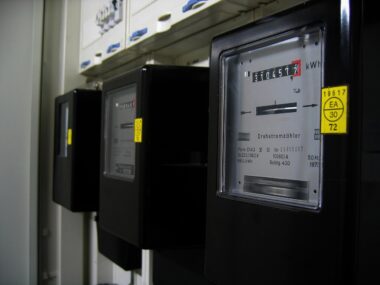
Electricity Consumption and Its Impact on Corporate Financial Performance
Understanding electricity consumption is crucial for businesses operating in various sectors. Firms are increasingly recognizing the relationship between electricity usage and their financial performance. As operational costs rise, managing electricity consumption effectively can lead to substantial savings. A business that implements energy-efficient technologies not only reduces its utility bills but also garners a favorable reputation in the market. Furthermore, such practices often align with corporate social responsibility goals, enhancing brand value. Many companies are adopting sophisticated energy management systems that monitor real-time consumption, providing valuable insights for decision-making. Tracking consumption helps in identifying wasted resources and opportunities for improvement. Consequently, organizations can allocate funds more efficiently, impacting their bottom line positively. A strategic approach to electricity consumption not only improves operational efficiency but also boosts employee morale and engagement by fostering a sustainable work environment. In summary, managing electricity consumption can lead to a competitive advantage, fostering innovation and sustainability. Companies should prioritize these initiatives to secure their financial future and contribute to a greener planet.
Market Trends and Challenges
In today’s volatile economic environment, corporations face numerous challenges regarding energy consumption. Market trends indicate a growing emphasis on sustainability, compelling companies to modify their energy consumption strategies. Electricity markets are influenced by factors, including government policies, technological advancements, and fluctuating energy prices. Organizations are under pressure to comply with environmental regulations, leading to an increased focus on renewable energy sources. A strategic shift towards greener practices can enhance a company’s public image and attract eco-conscious consumers. However, transitioning to these cleaner energy alternatives is not without its challenges. Initial costs of implementation and infrastructure upgrades may pose financial hurdles for many businesses. Moreover, financing these changes often requires a thorough analysis of potential returns on investment. Adopting energy-efficient measures can seem daunting, but the long-term benefits could outweigh the upfront expenses significantly. Companies must remain agile and adaptable in this dynamically evolving landscape. Building a robust energy strategy includes actively exploring various energy sources, engaging stakeholders, and investing in emerging technologies. Thus, organizations can mitigate risks and capitalize on the trend toward sustainable electricity consumption to augment their financial prospects.
Analyzing the impact of electricity consumption on corporate financial performance requires a comprehensive approach. Financial metrics are key indicators of how effectively a company is utilizing energy. Expenses related to electricity bills directly affect profit margins, thus influencing overall financial health. On the other hand, investments in energy-efficient technology can yield substantial returns over time. Various studies show that companies with lower energy consumption levels often achieve higher profitability. In some cases, these firms enjoy lower operational costs which contribute to better performance metrics. The integration of sustainable practices can also open the door to new revenue streams, such as participation in renewable energy credits. Businesses that excel in conserving energy not only bolster their financial performance but also enhance their reputation among consumers and investors. It is worth noting that stakeholders are increasingly prioritizing sustainability in their investment decisions. Understanding this shift can help executives align corporate objectives with market expectations. Consequently, businesses are encouraged to adopt best practices in energy management which can result in both economic benefits and an improved corporate image. Recognizing the importance of these elements is essential for long-term success in a competitive marketplace.
Case Studies and Success Stories
Several organizations have successfully leveraged efficient electricity consumption strategies to enhance their financial performance. For instance, a major retailer implemented a comprehensive energy management system that analyzed its consumption patterns. This initiative led to a 20% reduction in electricity usage over two years, equating to millions in savings. Similar success can be seen in the manufacturing sector, where companies invest in state-of-the-art equipment designed for energy efficiency. The initial capital outlay is often offset by long-term savings and improved production processes. Another example is a tech company that shifted towards renewable energy sources, achieving significant cost reductions while subsequently boosting its reputation. Through initiatives like these, organizations not only optimize their operational efficiency but also engage in practices that align with stakeholders’ values. Moreover, these success stories inspire other companies to adopt similar sustainability measures, creating a positive feedback loop across different industries. Documenting and sharing these experiences can encourage broader adoption of energy-efficient practices. Through collaboration and knowledge sharing, industries can collectively elevate their performance and contribute positively to combating climate change.
Electricity consumption plays a pivotal role in corporate sustainability initiatives. Firms operating in today’s environment must be cognizant of their energy intake and adopt practices that minimize waste. Sustainable energy practices can deepen customer loyalty and improve employee engagement as workers identify their company with stronger ethical values. To reap these benefits, businesses must integrate energy management into their core operational strategies. This integration includes understanding consumer behaviors driven by energy costs and seeking collaboration with energy providers for better rates or incentives. Additionally, companies can engage in peer benchmarking to gauge their electricity consumption against industry standards. Such assessments can uncover areas for improvement and facilitate informed investment decisions. Furthermore, employee training on energy efficiency can empower staff to contribute actively to sustainability goals. It is essential that organizations foster a culture of continuous improvement regarding energy usage. Collaborating with environmental organizations can also provide insights on innovative energy solutions. By prioritizing sustainable electricity consumption, companies enhance their long-term viability and positively influence their industry and community. Adopting this mindset is vital for companies aiming to lead in their respective fields while fulfilling environmental responsibilities.
Future Trends in Electricity Consumption
Looking ahead, several trends are poised to influence electricity consumption in corporate settings. The integration of smart technologies, such as IoT devices, allows businesses to monitor energy consumption dynamically. This capability enables firms to make real-time adjustments, significantly reducing waste and optimizing usage. Additionally, renewable energy sources are becoming increasingly prevalent, supported by innovations that make harnessing solar and wind energy more efficient and cost-effective. As energy storage technologies improve, companies will likely rely less on traditional grid electricity, further decreasing their carbon footprint. Moreover, electrification of transportation promotes the adoption of electric vehicles in corporate fleets. This trend holds the potential to transform corporate electricity demand patterns fundamentally. With growing advancements in technology, businesses will need to continuously adapt to maintain competitiveness. Thus, investing in energy-efficient infrastructure and forming strategic partnerships with energy providers will be paramount. Companies must also remain vigilant in tracking regulatory changes impacting the energy landscape. Embracing these shifts proactively positions organizations to thrive amidst evolving market dynamics. Forward-thinking business models can significantly enhance organizational resilience while contributing to a more sustainable future.
In conclusion, the relationship between electricity consumption and corporate financial performance is multifaceted and significant. Businesses that strategically manage their energy consumption can unlock numerous financial benefits. By investing in energy-efficient technologies and adopting sustainable practices, organizations can reduce costs, improve profitability, and strengthen their competitive edge. Furthermore, aligning energy strategies with corporate social responsibility initiatives enhances brand reputation and fosters customer loyalty. Corporate leaders must prioritize energy management as a core component of their operational framework. This priority ensures that electricity consumption is viewed not just as an expense but as an opportunity for improvement and innovation. Additionally, leveraging success stories and industry benchmarks can guide organizations toward effective energy solutions. As market dynamics evolve, staying informed about emerging trends allows businesses to adapt and thrive in a competitive landscape. Proactive engagement with energy management also positions companies favorably in the eyes of investors who increasingly value sustainability. Ultimately, organizations have the potential to achieve long-term success through improved electricity consumption methods. Continuous evaluation and commitment to energy efficiency will significantly impact financial performance and contribute to broader environmental goals.
Call to Action
Therefore, it is imperative for organizations to take charge of their electricity consumption practices actively. They should explore energy management solutions and invest in technologies that have proven successful in enhancing efficiency. Collaboration across departments and with external partners, including energy producers and ecological organizations, can amplify the impact of adopted strategies. Furthermore, fostering employee engagement and awareness regarding energy conservation is essential in cultivating a culture of sustainability within the corporate framework. As businesses navigate this complex landscape, they must assess their energy strategies regularly, ensuring alignment with evolving market conditions and consumer expectations. This effort not only improves their financial performance but also plays a significant role in shaping a sustainable future. Energy management should be prioritized on the corporate agenda to maintain competitiveness. By taking consistent action towards cleaner energy practices, corporations can make strides in reducing their environmental impact. The time to act is now; businesses must embrace innovative practices in electricity consumption to drive change. Addressing these challenges effectively can ultimately lead to long-term success and profitability. Organizations must be proactive and ready to adapt to shifts within the energy landscape.