
Evaluating Financial Health of Suppliers in Supply Chain Finance
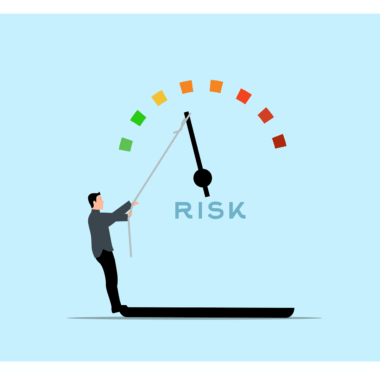
In Supply Chain Finance, evaluating the financial health of suppliers is critical for mitigating risks. This assessment involves a comprehensive review of financial statements, credit ratings, and payment histories. Suppliers who maintain strong financial health are less likely to default on their obligations, ensuring that businesses can operate smoothly. Analyzing key financial ratios, such as the debt-to-equity ratio, current ratio, and return on assets, provides invaluable insights into a supplier’s financial viability. Additionally, businesses should evaluate qualitative factors such as management stability and market position. Supplier audits and regular financial reviews enhance understanding of their ongoing financial status. Integrating technology, such as data analytics and machine learning, can significantly streamline this evaluation process. Businesses may utilize software tools that aggregate financial data, predicting supplier risk levels based on historical trends. This proactive approach not only safeguards companies but can also lead to better negotiation positions for suppliers. Ultimately, investing resources into supplier risk assessments positively affects supply chain stability. A robust financial evaluation leads to long-term partnerships that benefit all involved in the supply chain ecosystem, fostering growth and resilience in an evolving market.
Financial health evaluation in supply chain finance (SCF) has become increasingly sophisticated. Companies now rely on data-driven methodologies to assess varied aspects of supplier performance. This includes monitoring cash flow, profitability, and liquidity levels, which are essential for understanding a supplier’s ability to meet financial commitments. By employing real-time monitoring systems, firms can identify potential red flags before they escalate into significant issues. These systems provide timely alerts regarding changes in suppliers’ financial situations, enabling businesses to adapt quickly. Furthermore, incorporating external data, such as market trends and economic indicators, enhances the understanding of potential risks. Organizations can benchmark suppliers against industry standards, offering a comprehensive analysis relative to their peers. This multifaceted assessment criteria helps firms diversify risk across their supplier base. Once risky suppliers are identified, companies can implement corrective actions such as modifying payment terms or providing financial assistance when necessary. Enhanced collaboration and support can lead to supervised growth and resilience within the supply network. Overall, advanced financial health evaluations hold the key to building stronger supply chain partnerships, driving operational success and innovation.
Importance of Continuous Monitoring
Continuous monitoring of supplier financial health is paramount for effective supply chain management. Economic conditions and market dynamics can change rapidly, impacting supplier stability. Businesses that fail to regularly reassess their suppliers may find themselves vulnerable to unexpected disruptions. It is critical to establish a systematic process for ongoing evaluations of key financial indicators. This ensures firms remain aware of their suppliers’ current status, promoting timely interventions where necessary. Consistent financial monitoring can assist in forecasting potential problems, allowing businesses to develop contingency plans. Leveraging technology plays an essential role in facilitating efficient monitoring practices. Automated systems can track and analyze relevant financial data in real-time, providing insights into trends and anomalies that may arise. Engaging a risk management framework ensures businesses are prepared to adapt strategies as needed. Establishing a culture of communication with suppliers fosters an environment of transparency. By encouraging open dialogue regarding financial concerns and challenges, organizations can collaborate on solutions that benefit both parties. Thus, continuous monitoring not only helps mitigate risks but also strengthens supplier relationships, enhancing overall supply chain resilience.
Additionally, understanding the implications of supplier financial health extends beyond mere survival in the supply chain. Companies with a solid grasp of their suppliers’ financial metrics can leverage this information for strategic decision-making. Suppliers who demonstrate strong financial stability may be prime candidates for long-term partnership agreements, which can yield advantages. Conversely, companies can deploy risk mitigation strategies with suppliers showing signs of potential distress. This may involve negotiating alternative payment terms, placing limits on order quantities, or exploring backup suppliers. Furthermore, having a diversified portfolio of suppliers reduces dependence on any single source, minimizing overall risk exposure. Consequently, those organizations that prioritize supplier assessments are often better positioned to navigate market fluctuations. Consequently, better-positioned firms may enjoy competitive advantages over peers that neglect the importance of supplier evaluations. For firms investing in robust financial health assessments of their supply chain partners, mutual resilience is enhanced. This creates a supply chain characterized by trust, responsiveness, and agility. Ultimately, the evaluation of supplier financial health proves invaluable to fostering sustainable operations and long-term growth.
Technology’s Role in Enhancing Assessments
The transformation of supplier evaluation through technology is reshaping the approach to financial health assessments. Advanced analytics tools amalgamate massive data sets, identifying potential risks with unprecedented accuracy. Artificial intelligence (AI) algorithms can analyze historical data trends, offering predictive insights that empower decision-makers to act proactively. Businesses might integrate these technologies to enhance their understanding of supplier risk exposure, leading to more informed evaluations. Similarly, blockchain technology enhances transparency and traceability throughout the supply chain. This fosters trust between suppliers and customers, as each transaction is recorded securely. Utilizing these technologies allows firms to optimize both speed and precision, reducing human error in evaluations. The synergy between technology and financial assessments paves the way for data-driven decision-making. In this new landscape, organizations can access comprehensive supplier profiles, enabling clearer comparisons between potential partners. Ultimately, technology not only enhances the efficiency of supplier evaluations but also contributes to a more resilient supply chain ecosystem. By staying ahead of these technological advancements, companies can proactively respond to supplier risks, fostering sustainability and growth in their operations.
Moreover, the implications of assessing the financial health of suppliers go beyond immediate supply chain concerns. It affects pricing strategies, procurement decisions, and even consumer trust levels. Businesses need to recognize that a healthy supplier network ultimately translates to a robust supply chain. By ensuring financial stability among their suppliers, companies can limit disruptions that raise costs. This helps maintain consistent pricing for consumers, enhancing brand loyalty. Engaging in supplier financial assessments can reveal the level of risk suppliers pose, influencing negotiations around pricing and contracts. A supplier that faces significant financial strain may be unable to uphold agreed-upon pricing, leading to disputes or sudden price increases. Therefore, proactive evaluations not only focus on identifying risks but also solve existing supplier issues. Collaboration between organizations and suppliers can forge enhanced business relationships that benefit all parties involved. Effective communication fosters an atmosphere of loyalty, where stakeholders work together toward mutual success. By embedding proper financial assessments into their supply chain strategy, companies can align interests and achieve sustainable growth.
Conclusions on Supplier Financial Evaluations
In conclusion, evaluating the financial health of suppliers is a fundamental component of successful supply chain finance management. It requires an integrative approach combining quantitative analysis, qualitative assessments, and technology implementation. Regular supplier evaluations promote transparency, enhance decision-making capabilities, and reduce risks associated with supplier defaults. Organizations that embrace a proactive risk management strategy through continuous monitoring and evaluation are more resilient in fluctuating market conditions. Furthermore, fostering robust relationships with financially sound suppliers often yields long-term partnerships that drive innovation in the supply chain. As businesses navigate complexities inherent in global supply chains, the importance of supplier assessments will only increase. The insights gathered from these evaluations will shape negotiations, procurement strategies, and ultimately, consumer satisfaction levels. By prioritizing the thorough evaluation of supplier financial health, organizations can position themselves for sustained operational success. This critical endeavor establishes a robust framework that reinforces supply chain stability and resilience. Ultimately, companies committed to rigorous supplier assessments will find enhanced efficiency, efficiency becoming a fundamental pillar driving their supply chain strategy into a prosperous future.
In summary, the assessment of supplier financial health not only safeguards organizational interests but also catalyzes the overall supply chain resilience. By implementing comprehensive evaluation techniques and leveraging technological advancements, businesses can ensure successful partnerships. An effective supply chain starts with robust partnerships and a deep understanding of financial risk associated with suppliers. The effort invested in assessing these risks is a pivotal step toward achieving operational excellence in supply chain finance. Remarkably, proactive engagement with suppliers can transform potential risks into growth opportunities. As market dynamics evolve, an organization’s capacity to adapt will rely heavily on the strength of its supplier relationships. Furthermore, organizations should continuously refine and adapt their evaluation criteria to align with changing economic conditions. This flexibility will equip businesses to respond effectively to emerging challenges, positioning them favorably within the industry. Therefore, the financial health of suppliers should not be viewed as a one-time evaluation but rather as a continuous endeavor. As companies integrate these evaluations into their supply chain strategy, they become better equipped to navigate the complexities of modern business landscapes, promoting long-term sustainability and excellence.