Mobile Endpoint Security Trends in the Financial Industry
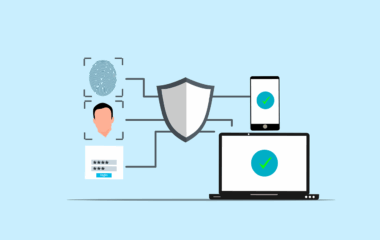
The financial sector has witnessed exponential growth in mobile device usage, emphasizing the need for effective endpoint security measures. Financial institutions must secure their applications to safeguard sensitive data against cyber threats. Mobile endpoints, such as smartphones and tablets, are highly prone to attacks, confronting businesses with challenges to protect customer information. With the increasing sophistication of cyberattacks, financial organizations must adapt to emerging trends in mobile endpoint security. Implementing robust security tactics like biometric authentication can significantly reduce unauthorized access. Moreover, enhancing employee training on cybersecurity awareness is crucial to mitigate potential risks. Encryption technologies should also be employed to protect stored data on these devices. Organizations must prioritize real-time monitoring solutions to detect any unusual activities swiftly. Adopting comprehensive device management systems can help ensure that all devices are consistently updated with the latest security patches. Financial organizations must stay informed about trends such as artificial intelligence-driven solutions that enhance threat detection and response capabilities. By adopting a proactive approach to mobile endpoint security, businesses can significantly reduce vulnerabilities and secure financial transactions effectively.
The surge in remote work has amplified mobile endpoint security challenges in the financial sector. As employees access sensitive data from various locations, organizations face a heightened risk of data breaches. Companies need to enforce strict security policies to control mobile access to their networks. Virtual Private Networks (VPNs) and multifactor authentication (MFA) have become essential tools in ensuring secure communications. These measures create an encrypted tunnel that mitigates interception of data. Furthermore, implementing Mobile Device Management (MDM) solutions is imperative for monitoring device settings and app installations actively. Such systems can remotely wipe data off devices that are lost or stolen, reducing the likelihood of unauthorized access. Additionally, organizations must stay compliant with industry regulations, such as GDPR and PCI-DSS, which mandate specific data protection measures. The introduction of behavioral analytics can help in identifying abnormal usage patterns, enabling swift incident response. Investing in frequent security audits allows financial institutions to assess vulnerabilities in their mobile systems continually. Ultimately, a comprehensive approach to mobile endpoint security fosters trust with customers, ensuring that their personal and financial information remains protected. Constructing a secure mobile environment is non-negotiable for success in today’s financial landscape.
Integrating AI and Machine Learning
Utilizing artificial intelligence (AI) and machine learning (ML) is revolutionizing mobile endpoint security in finance. Smart algorithms can analyze vast amounts of data and identify potential threats much faster than human operators. This technology enables proactive responses to cyber threats, reducing the chances of breaches. Machine learning models can assess user behavior and flag any suspicious activity in real-time. By learning from historical data, these models become increasingly effective in pinpointing vulnerabilities. Financial institutions can integrate these advanced technologies into existing endpoint security frameworks for enhanced protection. For example, deploying AI-powered solutions can automate processes like threat detection and remediation, which streamline security operations. As the landscape of cyber threats evolves, having an adaptable security model becomes essential. Additionally, AI can help in risk assessment by evaluating the potential impact of various threats on the organization. However, it is vital for institutions to remain vigilant about the ethical implications of using AI. Establishing clear guidelines ensures responsible usage while maintaining transparency with stakeholders. Financial organizations that embrace AI and ML in their mobile endpoint security strategy will be better prepared to face the evolving threats in this digital age.
The emergence of the Internet of Things (IoT) further complicates mobile endpoint security within the financial industry. IoT devices have proliferated in recent years, leading to more endpoints that need protection. Each device represents a potential entry point for attackers, and financial institutions must ensure their security configurations are robust. Adopting best practices such as device segmentation can help isolate IoT devices from critical systems. Organizations should collaborate with security experts to develop specialized strategies focused on IoT vulnerabilities. Regular software updates and security patches are necessary to close off potential weaknesses. Moreover, implementing a layered security approach involving firewalls and intrusion detection systems can significantly bolster defenses. Another aspect involves ensuring that data transmitted between IoT devices is encrypted to protect sensitive information. Financial institutions also face the challenge of managing devices as they may belong to different manufacturers with varying security protocols. Establishing comprehensive guidelines for IoT device security can enhance overall endpoint management. As the number of connected devices continues to rise, securing them against threats remains a top priority for financial professionals. Addressing IoT security challenges strategically will ultimately drive business growth and build customer trust.
The Role of Regulatory Compliance
Regulatory compliance plays a pivotal role in shaping mobile endpoint security measures for financial institutions. Various regulations dictate how sensitive customer data should be managed, adding layers of complexity to endpoint security strategies. Compliance frameworks such as the PCI-DSS and GDPR set forth stringent guidelines for data protection that financial organizations must adhere to. Institutions that fail to comply expose themselves to hefty fines and reputational damage. As mobile device usage and associated risks surge, meeting these regulatory requirements becomes increasingly critical. Companies must regularly conduct compliance audits and risk assessments to identify gaps and actively address them. Additionally, maintaining transparency within the organization promotes a culture of responsibility that prioritizes data security. Training employees on compliance-related topics ensures everyone understands their role in safeguarding customer information. Utilizing third-party vendors can also aid in compliance efforts, provided they too follow the necessary security protocols. Furthermore, as regulations evolve to keep pace with technological advancements, institutions must remain agile and adaptable. Adopting a proactive approach in managing regulatory compliance will safeguard businesses and their customers from potential risks while enhancing overall trust.
As financial technology continues to evolve, the ongoing battle against cyber threats demands continuous improvement in mobile endpoint security practices. The rise of sophisticated attack techniques necessitates that institutions invest in various advanced technologies. For instance, deploying threat intelligence solutions can help in anticipating potential attack vectors before they become a reality. Additionally, financial organizations should consider fostering strategic partnerships with cybersecurity firms to leverage expert knowledge and resources. Regularly assessing the effectiveness of existing security measures is also crucial in identifying any weaknesses. This includes conducting penetration testing and vulnerability assessments to simulate attacks and reveal potential flaws in the security architecture. Furthermore, maintaining an incident response plan ensures organizations can react swiftly to security breaches when they occur. Financial institutions must establish a culture of cybersecurity awareness, emphasizing the significance of security policies and best practices among employees. Encouraging collaboration between IT and operational departments can also lead to better alignment in securing mobile endpoints. Ultimately, investing in a robust mobile endpoint security strategy is not just a regulatory obligation; it is vital for building customer trust and ensuring sustainable growth in the financial sector.
Future Outlook for Mobile Endpoint Security
The future of mobile endpoint security in finance promises exciting innovations driven by technological advancements. As cyber threats continue to evolve, organizations must remain vigilant in adopting emerging security solutions. The integration of blockchain technology, for instance, holds immense potential for securing transactions and preventing fraud. Furthermore, financial institutions are likely to incorporate Zero Trust Architecture as a fundamental aspect of their security strategies. This model verifies every access request, irrespective of its origin, ensuring that only authorized users have access to data. Ongoing advancements in biometric identification techniques, such as facial recognition and fingerprint scanning, will enhance the security of mobile endpoints further. As artificial intelligence becomes increasingly prevalent, its application in threat detection and automated response mechanisms will redefine how institutions manage security. Organizations will also focus more on user education, promoting best practices for mobile device usage. With cybercriminals becoming more sophisticated, staying informed about the latest trends and technologies is crucial for financial institutions. By investing in research and development, organizations can ensure their mobile endpoint security measures remain robust and capable of facing challenges head-on in the years to come.
In conclusion, mobile endpoint security is an essential component of the financial industry’s strategy to safeguard customer data and maintain trust. Financial organizations must adapt to the rapidly changing threat landscape by incorporating new technologies and best practices into their security framework. The ongoing challenges presented by remote work, the proliferation of IoT devices, and the necessity for regulatory compliance require a multifaceted approach to security. Emphasizing employee training, leveraging artificial intelligence, and investing in robust security systems will create a resilient environment for managing mobile endpoints. Furthermore, strong collaboration with cybersecurity experts and partners will enhance the capacity to mitigate potential risks. In this digital age, the financial industry must remain proactive and innovative to address security challenges effectively. A sustainable approach to mobile endpoint security is integral in fostering customer confidence and long-term growth. Organizations that prioritize and implement comprehensive strategies can thrive in a competitive landscape. By recognizing the critical role of mobile security, financial institutions can protect themselves and their customers against the inevitable threats. Ultimately, a robust mobile endpoint security strategy is paramount for the financial industry’s success in navigating the complexities of the digital world.