
Business Credit Scores vs Personal Credit Scores: What Small Businesses Should Know
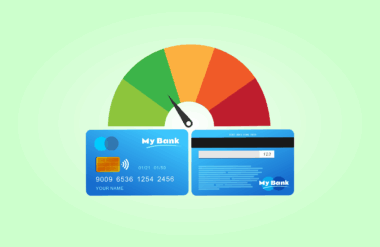
Understanding credit scores is crucial for small business owners. Business credit scores differ significantly from personal credit scores. While personal credit scores reflect individual financial behavior, business credit scores measure the creditworthiness of a company. This distinction is vital. For instance, personal credit scores can range from 300 to 850, while business scores typically range from 0 to 100. The scoring methods vary among organizations. Business credit scores consider various factors such as payment history, credit utilization, and business size. Banks and lenders utilize these scores to assess risk. A strong business credit score can open doors to financing options often unavailable for those relying solely on personal credit. Small business owners should prioritize establishing and maintaining a robust business credit profile, as it directly affects their ability to secure loans and favorable financing terms. Moreover, building business credit might involve applying for specific accounts and credit cards under the business name. Thus, a proactive approach is essential for safeguarding financial stability. Understanding this difference can lead to better decision-making for your small business’s financial growth.
Why Business Credit Scores Matter
Business credit scores play a crucial role in the success of small businesses. Unlike personal credit scores, which are linked to individuals, business credit scores are tied to the business entity itself. Maintaining a healthy business credit score is vital for a range of reasons. Firstly, it affects lending opportunities. Lenders are more inclined to provide funding to businesses with good credit scores, enabling growth. Secondly, suppliers appreciate strong scores as a positive sign of reliability, opening longer payment terms. Thirdly, a solid credit score can lead to lower insurance premiums, saving additional costs. In contrast, using personal credit for business financing can lead to potential risks if the business faces financial challenges. If the business fails to meet obligations, the personal assets may be at stake, which can cause significant personal financial strain. Businesses should regularly check their credit score and ensure all entries are accurate. Regularly reviewing credit reports helps identify any discrepancies or damages that may need attention. This proactive monitoring helps maintain financial relationships and supports overall business growth strategies effectively.
When it comes to building business credit, several strategies are effective. First, ensure your business is registered and has legal protections such as an LLC or corporation structure. Begin by obtaining a Federal Employer Identification Number (EIN) to distinguish your business from personal finances. Additionally, set up a dedicated business bank account to manage transactions. This separation not only simplifies financial tracking but also contributes positively to your credit profile. Next, apply for a business credit card and use it responsibly to establish a credit history. Make timely payments to boost your credit score. It’s also crucial to maintain good relationships with vendors and suppliers by negotiating favorable payment terms. Paying invoices early or on time can significantly enhance your standing. Some businesses overlook this aspect. Consider working with credit reporting agencies to ensure all reported scores are accurate and reflective of your business’s performance. It’s essential to understand the specific criteria used by these agencies. Implementing these strategies can help secure better financing options and provide confidence in growth opportunities.
Differences in Reporting
The methods of reporting for business and personal credit scores also differ. Personal credit scores usually involve three primary credit bureaus: Experian, TransUnion, and Equifax. However, business credit scores are handled by different reporting agencies such as Dun & Bradstreet, Experian Business, and Equifax Business. Each agency collects and interprets data differently. This variance can lead to discrepancies in scores across different agencies. In practical terms, what appears as a good credit score with one agency may not hold when reviewed by another. Thus, business owners must monitor their credit scores across all relevant agencies. One common mistake by new companies is neglecting to check or build substantial credit profiles with these agencies. Business owners should regularly review their reports from these bureaus to ensure accurate data reflection. Furthermore, establishing a positive payment history with vendors who report to these agencies can lead to an enhanced business credit profile. Any inaccuracies found should be disputed immediately to prevent long-term detriment to the business’s financial health. Awareness of these differences can lead to more strategic business planning.
The impact of personal credit scores on business operations cannot be overstated. In many cases, small business owners initially rely on their personal credit when establishing their enterprises. This reliance can have both advantages and disadvantages. On the upside, accessing initial funding may be easier with strong personal credit. However, blending personal and business finances can complicate matters. Should the business run into financial difficulty, personal assets might be at risk. Moreover, relying heavily on personal credit can lead to diminished personal credit scores, limiting future personal financing options. Financial experts often recommend that business owners gradually separate their finances as their business grows. This approach allows for building a solid business credit reputation independently. Consequently, it becomes a more sustainable option for securing funding in the future. Business structures like LLCs or sole proprietorships can provide a level of protection for personal assets. Setting this structure also helps reflect a serious commitment to the business, potentially creating more favorable perceptions among lenders and partners alike. Taking these initial steps solidifies financial stability for both individual and business assets in the long term.
Final Thoughts on Managing Business Credit
In conclusion, understanding business and personal credit scores is essential for small business success. Equally important is knowing how to manage them effectively. Establishing a strong business credit profile can enable better financing opportunities, create trust with vendors, and improve overall business credibility. Small business owners should adopt a proactive approach. Strategies such as making timely payments and separating personal from business finances can significantly enhance credit scores. It’s also critical to regularly monitor credit reports for any inaccuracies. As we established earlier, a good business credit score can reduce insurance premiums and increase financing options, allowing for growth. Additionally, using credit responsibly and building relationships with suppliers fosters a positive image in the eyes of potential lenders. As the business landscape evolves, adapting to financial management trends is crucial. Those who prioritize building a robust business credit score can position their enterprises for long-lasting success. Being informed and proactive empowers owners to tackle financial challenges—which can ultimately foster more resilience. This active management is not just beneficial but necessary in navigating the complexities of modern small business finance.
Overall, distinguishing between business credit scores and personal credit scores is critical for small business owners to leverage their finances. This understanding allows for better decision-making regarding loans and investments in the company. By establishing a strong credit profile and regularly monitoring credit health, small businesses can ensure they are prepared for future financial challenges and opportunities. Making informed choices about credit utilization not only affects overall financing outcomes but also impacts relationships with lenders and vendors. For many business owners, financing is not merely a transaction but a partnership built on trust. Therefore, maintaining good credit practices and cultivating strong financial relationships becomes imperative. As small businesses navigate their growth journey, they are bound to face various financial hurdles. Thus, solid knowledge of credit scores can serve as a powerful tool in overcoming these challenges. Lastly, remember that while personal credit plays a significant role initially, striving for improved business credit will yield more substantial long-term advantages. Making credit management a priority reflects a commitment to financial responsibility, enhancing opportunities for sustained business success.