
Using Grants to Enhance Public Art Installations
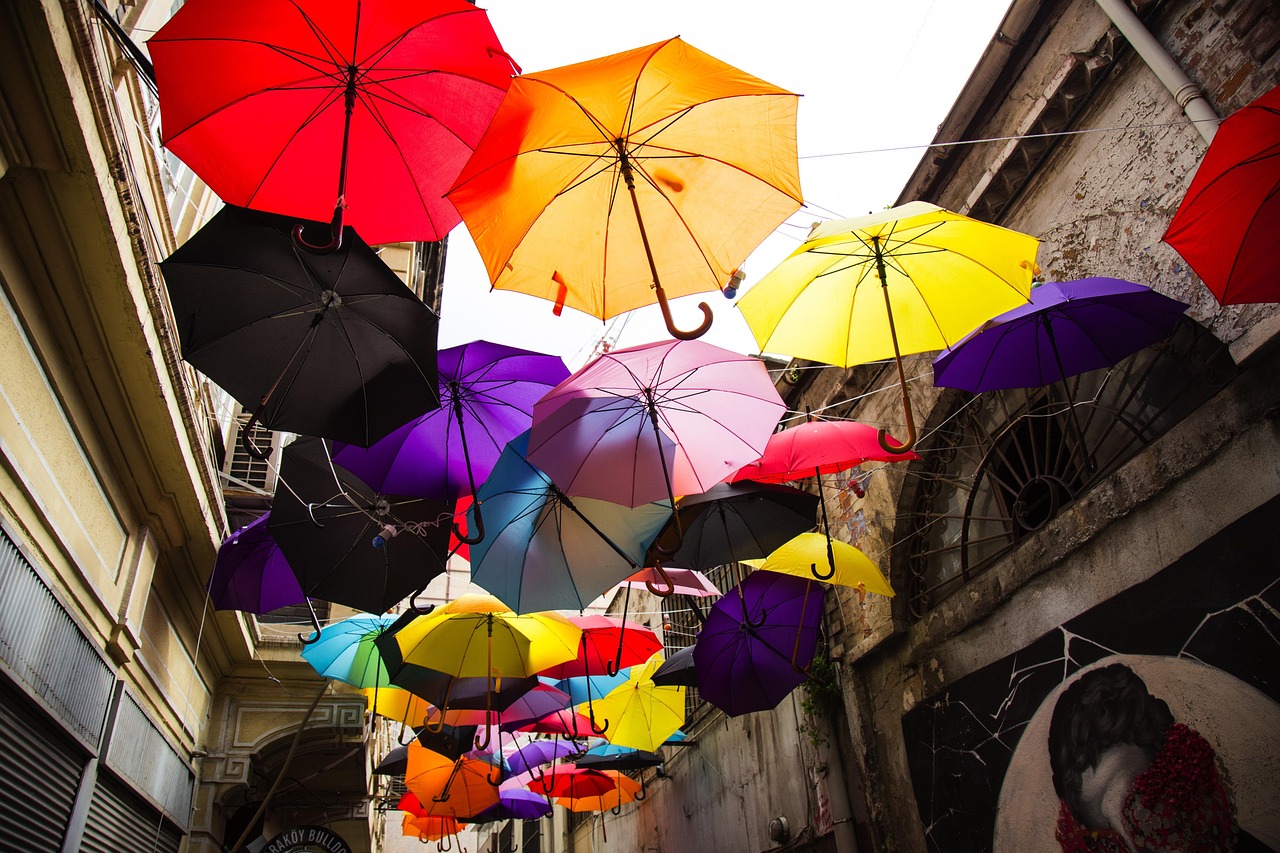
Public art plays a crucial role in enhancing our communities, fostering a sense of identity, and stimulating dialogue among residents. By utilizing arts and culture grants, local governments and organizations can secure funding to install captivating public art projects. These grants can come from various sources, including federal, state, and local agencies, as well as private foundations. Public art installations, when supported by grants, contribute to the aesthetic charm of urban spaces. These projects often reflect the community’s cultural values and historical backgrounds, making them relevant and significant. Additionally, the presence of public art can attract tourists, generate economic activity, and encourage social interactions. Artists can express their creativity while addressing themes important to the community, leading to a sense of ownership and pride among residents. However, the process of applying for grants requires meticulous planning and may necessitate public input. Organizations also need to demonstrate how the proposed project aligns with grantors’ objectives and measurable outcomes. Overall, grants serve as vital resources that enable communities to invest in visually stimulating and meaningful public art installations that enrich civic life and community engagement.
Evaluating Grant Opportunities
Before applying for arts and culture grants aimed at public art installations, it is crucial to thoroughly evaluate potential funding sources. Each grant opportunity comes with its unique set of requirements, eligibility criteria, and objectives. Researching diverse funding sources can open doors to potential matches for your artistic vision. Online platforms and databases often compile grant listings, providing details about application deadlines and priorities. Local arts councils or regional government agencies might also offer specific funding opportunities tailored to public art projects. When evaluating grant opportunities, organizations should carefully consider how their art installations will engage with the community and fulfill the funding agency’s mission. Some grants prioritize projects that enhance public spaces or encourage youth participation in the arts. Moreover, potential grant applicants should seek to establish partnerships with local businesses, educators, and civic organizations, which could strengthen their proposals. Collaborative initiatives are often viewed more favorably by grantors, as they demonstrate community support and shared investment in the project. Building robust relationships with stakeholders can amplify the impact of funded public art installations and create a more significant cultural legacy.
Crafting a Compelling Proposal
When seeking funding for public art installations, crafting a compelling grant proposal is key to securing support. A well-written proposal should outline the project’s vision, its relevance to community needs, and its alignment with the funding body’s objectives. Describing the intended art piece in vivid terms can help grant reviewers visualize the impact of the installation. Additionally, highlighting artist qualifications and past successful projects can instill confidence in the proposal. Clearly defined project goals, timelines, and budgetary estimates are essential components of a professional grant application. Outlining how the project will be implemented, including community engagement strategies, can distinguish your proposal from others. Funders appreciate detailed plans demonstrating effective management and communication throughout the project. Imagery, sketches, or blueprints can also be useful in conveying the project concept and expected aesthetics. Moreover, articulating evaluation strategies to measure the project’s success after completion can boost grant proposal effectiveness. Demonstrating a commitment to assessing project outcomes reflects the responsibility and accountability expected of grant recipients.
Another important aspect of preparing a grant proposal is establishing a clear budget. A comprehensive budget illustrates the financial viability of the public art installation, detailing how the grant funds will be allocated. When creating a budget, consider all possible expenses, including artist fees, materials, installation costs, and maintenance. It’s also wise to include a contingency fund for unexpected costs that may arise during the project. Grant reviewers often look for transparency in budgeting, so being detailed will enhance your proposal’s credibility. In some cases, matching funds from local businesses or stakeholders can strengthen your proposal and act as leverage, indicating community support. Funders will typically appreciate applicants who demonstrate financial prudence and a commitment to maximizing resources. Clear communication about how each budget item supports the project will further substantiate funding requests. Transparency ensures that grantors feel confident their investment will lead to a meaningful and successful public artwork. The financial aspect of grant proposals can greatly influence funding decisions, so dedicating time to create a solid budget is worthwhile.
Community Engagement and Support
Engaging the community throughout the grant application process is critical for public art projects. Involving community members in planning and decision-making helps raise awareness of the project and creates a sense of ownership. Hosting community meetings allows space for public dialogue and idea-sharing, leading to art installations reflecting diverse perspectives. Gathering feedback from residents helps shape the artistic vision and fosters anticipation for the final outcome. Additionally, building partnerships and support from local organizations and stakeholders can amplify the project’s impact and visibility. When organizations collaborate with schools, businesses, or cultural institutions, it reinforces community ties. Letters of support from prominent local figures can also strengthen the grant proposal by demonstrating that the project has widespread commitment. Funders are often more willing to invest in projects showing tangible community interest and involvement. Ensuring that public art installations address local needs while fostering connections can transform neighborhoods. Strong community backing not only increases the chances of receiving funding but also ensures the project resonates positively with those who live there long after the installation is complete.
Once a public art installation is completed, the work does not conclude for the grant recipients. Following up with grantors and the community regarding project outcomes ensures accountability and fosters continued relationships. Sharing the final results through public exhibitions, social media, or community events will maintain engagement and celebrate the project’s success. Documenting the impact and feedback from community members is essential for assessing the installation’s effectiveness. Creating a report detailing outcomes and highlighting stories can be valuable for future funding opportunities, both for the current project and new ones. Grant recipients can use this documentation as a toolkit for learning and improvement in subsequent proposals. Maintaining communication with the community post-installation can result in ongoing support for future projects and further involvement. Being transparent with donors regarding the challenges and successes of the project can help build trust. This approach allows for constructive feedback that can enhance future public art initiatives. Ultimately, public art is an ongoing conversation between art, communities, and funders, leading to richer artistic expressions and cultural legacies.
Conclusion: The Impact of Grants on Public Art
In conclusion, utilizing grants for public art installations serves as a powerful tool for enhancing community engagement and identity. These grants provide essential financial resources that artists and organizations need to transform public spaces with thought-provoking and inspiring work. By leveraging grant opportunities, stakeholders can address local issues through innovative art projects that resonate with the community. Art installations not only beautify neighborhoods but also promote cultural dialogue and social cohesion among residents. As public art becomes more integrated into urban planning strategies, the importance of grants will continue to grow along with the demand for funding. The successful collaboration between artists, organizations, and funders will lead to vibrant art pieces that not only reflect but also enrich the cultural fabric of communities. Encouraging diversity in art practices through equitable funding can result in installations that celebrate different cultures, voices, and narratives. Ultimately, the transformative power of public art—backed by ample funding through grants—can cultivate a sense of belonging, identity, and pride within communities, making them brighter places to live and thrive.