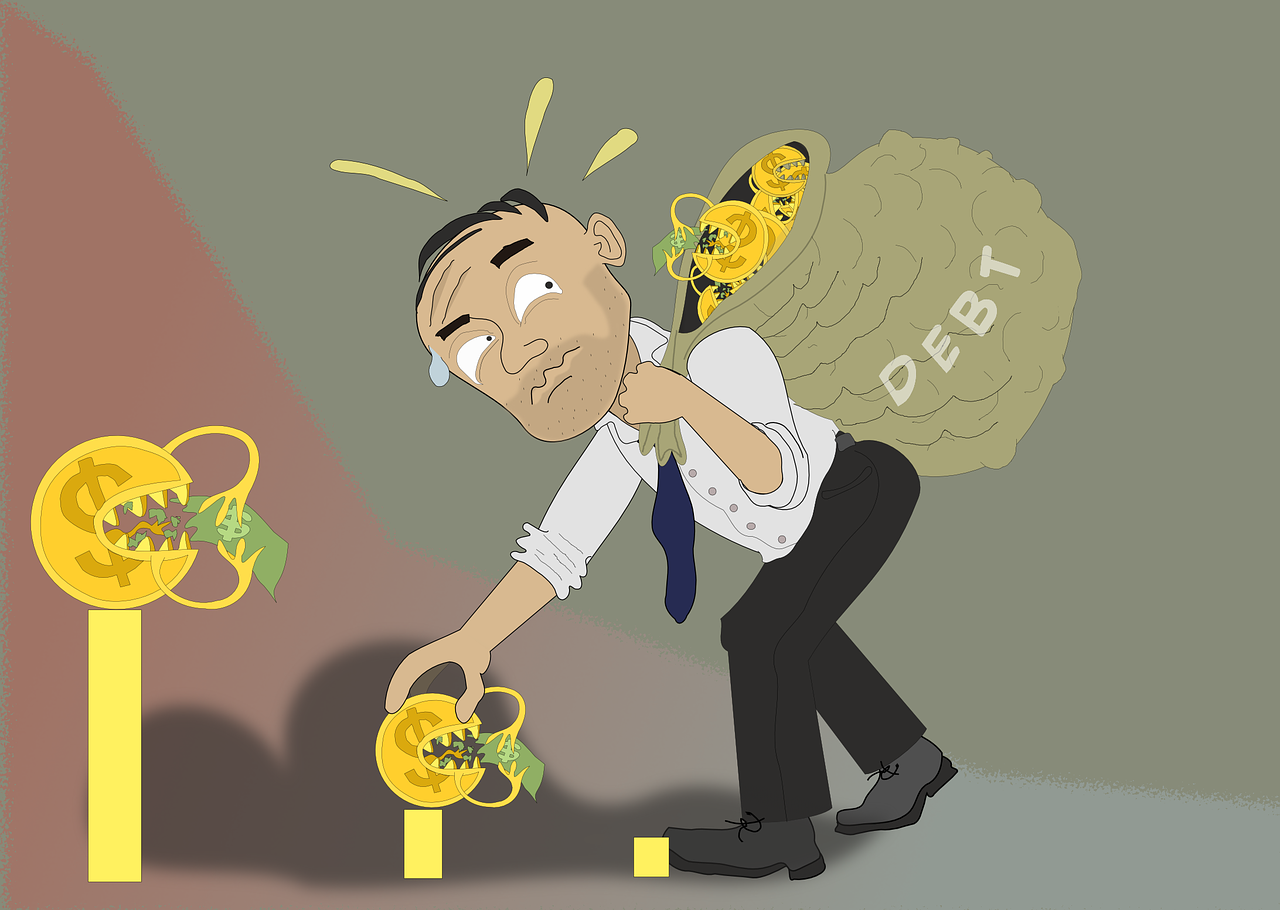

Dealing With Student Loan Wage Garnishment Before Bankruptcy
Facing wage garnishment due to student loans is increasingly common and can cause serious financial strain. Understanding your options is crucial to dealing with this situation effectively. First, it is important to know the legal guidelines surrounding wage garnishments. For federal student loans, the government can take up to 15% of your disposable income without needing a court order. If you are struggling, you should first analyze your current budget. Determine how much money you need for essential expenses like housing, food, and transportation. This will help you understand how much of your income is actually available. Consider contacting your loan servicer to discuss possible deferment or forbearance options, as these may provide temporary relief. Another potential option is to apply for an income-driven repayment plan, which can lower your monthly payments based on your income. Document every interaction with your servicer and gather necessary paperwork to present your case. Should these approaches fail, exploring bankruptcy may be a viable path, but be equipped with knowledge about its limitations regarding student loans. Always consult with an expert before making a final decision.
Understanding Bankruptcy and Its Impact on Student Loans
Bankruptcy may offer a fresh start for struggling debtors, but it is essential to understand the implications, especially regarding student loans. In most cases, student loans are not dischargeable through bankruptcy, meaning you would still be responsible for repayment. However, there are exceptions under which you might successfully discharge your student loans. To qualify, you must show that repaying the loans would cause an undue hardship. This typically requires a separate legal proceeding called an adversary action. Gathering significant evidence to support your claim is vital, including details about your income, expenses, and any unusual economic circumstances that impact repayment ability. Depending on your jurisdiction, courts may utilize various tests to determine whether undue hardship exists, such as the Brunner test or the totality of circumstances test. Understanding these tests can be critical if you consider bankruptcy filings. It is essential to note that seeking a bankruptcy attorney’s advice can be a tremendous asset in navigating this complicated process. An attorney can guide you through the nuances of the law, helping you make informed decisions about your financial future.
Prioritizing Financial Literacy and Counseling
In times of financial distress, investing in financial literacy becomes tremendously valuable. Understanding credit scores, budgeting, and managing debt can help prevent future issues. Consider reaching out to a credit counseling service for professional guidance. These organizations offer free or low-cost services to help individuals understand their financial options. They can assist you in creating a workable budget, managing debts, and prioritizing student loan repayments. Many services also provide educational workshops and resources that can empower you to make better financial choices. It’s essential to find a reputable counseling service that offers certified counselors. Start by researching local non-profits or seeking recommendations from trusted sources. Additionally, ensuring the service you choose has no hidden fees is crucial. Clear communication about costs is vital. Participating in these sessions can provide not only knowledge about your financial situation but also stress relief. Instead of feeling overwhelmed by the financial burden of student loans, adopting a proactive approach can instill a sense of control over your finances. This proactive contact is essential to avoid issues like wage garnishments down the road.
The Role of Negotiation with Loan Servicers
When facing wage garnishment due to student loan debt, negotiating with your loan servicer is a critical strategy. Loan servicers often have options available that can ease financial strain but may not proactively communicate these options. Start by contacting your servicer to discuss your situation openly, explaining any financial hardships you’re facing. Be prepared to provide documentation that supports your claims. For instance, gather recent pay stubs, tax returns, and records of monthly expenses to illustrate your financial reality effectively. Negotiation may involve asking for adjustments to your payment plan or inquiring about deferment or forbearance options. It’s essential to communicate assertively yet respectfully, as servicers are more likely to work with borrowers who approach them professionally. Remain patient during this process, as it may take time to find a solution that works for both you and your servicer. Document every conversation, noting dates, individuals spoken to, and what options were discussed. With diligence and communication, you might successfully alter the terms of your student loan repayment and potentially prevent wage garnishment from negatively impacting your finances.
Exploring Other Debt Relief Options
In addition to bankruptcy, there are various other debt relief options to explore that may help manage student loan payments. These options include loan consolidation or refinancing, which can simplify repayments and potentially lower interest rates. When consolidating, be mindful that while multiple loans may become one, you might lose certain borrower protections. Refinancing, on the other hand, allows you to shop around for better rates and terms. This requires a good credit score, which can be a challenge for those already experiencing financial difficulties. Evaluating personal loans or negotiating payment plans with other creditors is also wise, as this could free up funds to handle your student loans more affordably. Researching grants and scholarships should also be part of your strategy; these funds can help pay down loans or cover future educational costs. Investing time in understanding what relief options exist can lessen financial burdens significantly. Each option carries distinct pros and cons and should be evaluated carefully to decide what aligns best with your current situation.
Preparing for the Future After Bankruptcy
After experiencing bankruptcy, focusing on rebuilding your financial health is necessary. This process will take time but can lead to a more secure financial future. One of the first steps in this journey is to work on improving your credit score, which may have taken a hit during bankruptcy. Obtaining a secured credit card can help re-establish credit Wisely use it to pay small purchases and ensure timely payments. Regularly checking your credit report for inaccuracies allows you to address any errors promptly. Creating and adhering to a budget makes control over your finances more manageable. Tracking your spending habits and finding areas to cut costs can noticeably improve your financial situation. Furthermore, maintaining an emergency fund is crucial. This fund can provide a safety net during unforeseen circumstances. Education is critical; consider attending workshops that focus on credit management and financial planning. Building a good relationship with financial institutions will also aid in acquiring better credit opportunities in the future. With perseverance, you can build a more stable financial life post-bankruptcy.
Finding Support During Tough Times
Dealing with student loan wage garnishment and potential bankruptcy can be emotionally draining and overwhelming. Having a solid support system is invaluable during these challenging times. Reach out to friends or family members who understand the intricacies of your struggle, as they may offer emotional support or practical advice. Online forums and support groups can connect you with others in similar situations. Many individuals find comfort and strength in sharing their stories with those who have faced similar challenges. Additionally, consider speaking with a mental health professional if you feel anxiety or depression stemming from financial stress. Investing in your mental well-being is just as critical as managing financial issues. Developing coping mechanisms to manage stress can make a significant difference in your approach to financial challenges. Having a personal support network allows you to express frustrations without judgment, which can be cathartic. Remember that you are not alone; countless individuals face similar financial struggles. Seeking help from those who can relate to your situation empowers you to confront your challenges with greater confidence.