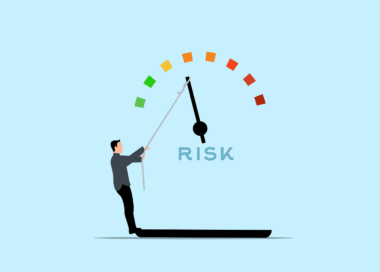

Building a Strong Corporate Credit Team
A corporate credit team is essential for maintaining a company’s financial health. Their primary responsibility is assessing and managing credit risk associated with customers and clients. A well-structured credit team ensures that the organization can extend credit effectively while minimizing defaults. Effective communication within the team and with other departments is crucial. It helps to maintain consistent credit policies across all levels in the organization, ensuring that everyone is aligned on the objectives. Furthermore, training and development for team members are vital in keeping them updated with market trends and risk management techniques. Without continuous education, the team may struggle to adapt to changing financial environments. Utilizing technology, such as credit management software, can facilitate smoother operations, enabling better data management and analysis. This allows for more accurate forecasting and helps in identifying high-risk clients. Additionally, regular performance metrics should be established to measure the team’s effectiveness. Ultimately, a strong corporate credit team can significantly influence a company’s bottom line.
To further enhance the efficiency of the corporate credit team, it is important to implement a streamlined workflow process. Establishing clear guidelines for credit evaluations is essential to reduce processing time and improve accuracy. This includes defining the criteria for creditworthiness and standardizing documentation procedures. Integration with various departments, especially sales and finance, is critical in achieving a holistic view of credit decisions. Engaging with sales teams can provide insights into customer behavior, while finance departments offer data on cash flow and financial health. Encouraging collaborative discussions among these teams fosters better decision-making regarding credit policies. Another key aspect is the management of customer relationships. Building strong ties with clients is not only beneficial for credit assessment but also for future business opportunities. Open channels of communication can aid in identifying any potential issues before they escalate into defaults. Furthermore, regularly reviewing credit policies ensures their relevance to the existing market situation. Adapting to changes in the economic landscape allows the credit team to remain proactive rather than reactive.
Training and Development
Investing in the training and development of the credit team cannot be overstated. Regular workshops and training sessions help team members stay informed about the latest regulations, technological advancements, and market trends. Participation in industry conferences provides invaluable networking opportunities that can lead to sharing best practices and innovative strategies. Furthermore, encouraging team members to obtain relevant certifications can enhance their expertise. Certifications such as those in Credit Management or Risk Management provide structured learning, which is beneficial for the entire organization. Mentorship programs can also play a significant role in professional growth, where experienced professionals guide newer employees. This fosters a culture of continuous improvement and knowledge sharing, which can lead to innovative ideas within the credit process. In addition, introducing simulations or role-playing activities helps in refining negotiation and analytical skills. These processes can significantly influence the effectiveness of credit risk assessments. Ultimately, a well-trained credit team not only minimizes risks but also contributes positively to the overall strategic goals of the organization.
Utilizing technology and analytics is another effective strategy for a robust corporate credit team. The use of advanced analytics helps in identifying trends and patterns that may not be visible through manual inspections. Tools such as credit scoring models can offer substantial insights into potential risks. By assessing historical data, teams can make informed decisions about extending credit. Electronic data interchange (EDI) and customer relationship management (CRM) systems also play critical roles in streamlining operations and enhancing data accessibility. These technologies enable real-time access to customer information and transaction histories, further enhancing risk assessment capabilities. Investing in cybersecurity protocols ensures that sensitive credit data is protected, which is crucial in today’s digital landscape. Moreover, automation can significantly reduce workload, allowing credit professionals to concentrate on more complex analytical tasks. Regularly updating the technology stack keeps the credit team agile and responsive to new challenges. Collaborating with IT departments during the implementation of new tools ensures that the team’s specific needs are met, ultimately resulting in improved operational efficiency.
Building Effective Policies
Establishing effective credit policies is fundamental for a strong corporate credit team. These policies must be clear and comprehensive, outlining not only the criteria for granting credit but also the procedures for monitoring and managing existing accounts. Tailoring policies to fit the unique needs of the organization and its customers is essential. It is prudent to regularly review these policies to ensure they are aligned with industry standards and business objectives. Involving various stakeholders in the policy-making process can provide diverse perspectives, enhancing the effectiveness of the policies. Furthermore, clear communication of these policies to both the credit team and related departments ensures everyone understands their roles and responsibilities. The implications of credit policies extend beyond risk management; they also impact customer relationships and financial performance. Establishing metrics to evaluate the success of credit policies through analyzing default rates and repayment speed can yield actionable insights. These evaluations enable the team to adjust strategies accordingly, ultimately strengthening the company’s credit position in the marketplace. Regular training on these policies will reinforce their importance and ensure adherence across the board.
Another effective aspect of managing a corporate credit team is maintaining strong relationships with key stakeholders. Financial institutions, supply chain partners, and internal departments all play vital roles in the credit process. Leveraging these relationships facilitates smoother credit transactions and enhances collaboration on resolving credit issues. Building rapport with clients can also lead to better negotiation outcomes and improved payment terms. Regularly engaging with these stakeholders through strategic meetings fosters transparency and trust, which, in turn, can enhance creditworthiness assessments. Initiating these conversations helps to identify potential credit risks before they escalate. Providing stakeholders with relevant analysis and forecasts empowers them to participate in making informed decisions regarding credit management. Financial institutions may also offer additional services or support that can further strengthen the credit team’s operations. Networking within professional organizations can open up new avenues for collaboration, leading to sharing of resources and insights. Moreover, feedback from stakeholders should guide continuous improvements in credit management practices, creating a proactive culture of credit risk assessment and management within the organization.
Future Challenges and Adaptability
Looking ahead, a corporate credit team must remain vigilant regarding emerging challenges. The financial landscape is constantly evolving due to regulatory changes, economic fluctuations, and technological advancements. Being adaptable to these changes is crucial for survival. Anticipating market conditions and their potential impacts on credit practices enables the team to develop proactive strategies. Continuous environmental scanning can help identify emerging risks and opportunities early on. Incorporating scenario planning into the team’s strategy allows for flexibility when addressing unexpected threats. Regularly updating risk assessment methodologies is also paramount in adjusting to the evolving landscape. This may involve adopting new risk models that reflect current realities more accurately. Encouraging a culture of innovation within the credit team can lead to the exploration of new tools and practices that enhance credit evaluation processes. Additionally, continuous training on new developments in financial regulations and technology ensures the team remains equipped to tackle future challenges confidently. In closing, a strong corporate credit team is essential for navigating financial uncertainty and bolstering a company’s competitive edge.
In summary, a robust corporate credit team is significant not just for risk management but also for the overall success of the company. It encompasses various aspects such as structured workflows, training and development, effective policies, and strong stakeholder relationships. Leveraging technology and promoting adaptability within the team ensures that they can respond effectively to an ever-changing financial environment. By focusing on continuous improvement and collaboration, organizations can achieve a significant competitive advantage. The strategies discussed here not only help mitigate risks but also provide opportunities for growth and innovation in credit practices. Therefore, investing in building a strong corporate credit team is a strategic necessity that will yield benefits for years to come. As markets evolve, so too must credit management strategies. A forward-looking approach that emphasizes education, technology, and collaboration will equip teams to overcome challenges and drive business success. Additionally, fostering a culture that prioritizes risk awareness and proactive management will further bolster the company’s financial health and reputation in the market. Corporate credit management is more than just assessing risks; it is about building sustainable relationships and driving growth.