
Decentralized Autonomous Organizations (DAOs) on Ethereum
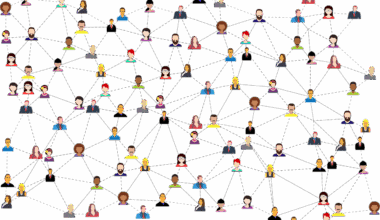
Decentralized Autonomous Organizations, commonly known as DAOs, represent a transformative innovation within the Ethereum ecosystem. These entities are programmed to operate autonomously through smart contracts without middlemen, fundamentally altering how organizations function. Unlike traditional companies with boards and executive hierarchies, DAOs enable direct community involvement in decision-making through inclusive voting mechanisms. Token holders can propose changes, vote on initiatives, and collectively govern the organization, making it a democratic approach to management. This structure promotes transparency and accountability, as all transactions and decisions are recorded on the blockchain, thus ensuring that all members can verify actions taken by the organization. To engage in governance, members typically acquire governance tokens, which can be utilized for voting rights. As interest in DAOs grows, many are forming around various sectors such as art, finance, and charitable initiatives. The opportunity to operate collectively without centralized control captivates many individuals seeking innovative ways to collaborate within established frameworks. Many believe DAOs will pave the way for future business models that embrace community rather than conformity, making the ethos of decentralization tangible in everyday organizational practices.
The rise of DAOs has ushered in numerous advantages that distinguish them from traditional business structures. Firstly, the inclusivity facilitated by DAOs fosters community engagement, allowing individuals with shared interests or objectives to collaborate. Unlike conventional organizations that often restrict decision-making to a select few, DAOs empower all members to participate actively in governance. This model leads to diversified perspectives that can enhance creativity and innovation. Furthermore, since DAOs operate on the Ethereum blockchain, they benefit from unparalleled transparency and security. Each transaction is publicly verifiable, which helps in building trust among participants. Additionally, the lack of a hierarchical structure decreases bureaucratic delays, enabling swift execution of initiatives. Members can enact changes relatively quickly by leveraging proposals and voting systems. This agility is particularly beneficial in today’s fast-paced environment, where adaptability is crucial. Moreover, the tokenomic aspect of DAOs provides legitimate financial incentives for participation, which can attract skilled individuals to the organization. As a result, DAOs are carving out a unique niche that combines creativity, community, and technological advancement, reshaping traditional concepts of organizational governance toward more democratic systems.
Challenges Faced by DAOs
Despite their immense potential, DAOs are not without challenges that must be addressed to ensure long-term sustainability. One significant issue is the impact of governance token distribution on power dynamics within the organization. Often, a few individuals or entities can accumulate a majority of tokens, leading to centralized control disguised as decentralization. This situation can thwart the democratic ethos of DAOs and create imbalances that contradict their purpose. Additionally, navigating regulatory landscapes poses another hurdle. Governments are still determining how to manage and regulate DAOs effectively, which can lead to legal ambiguities and uncertainty in operations. Operating outside established frameworks may expose DAOs to risks related to compliance and taxation. Moreover, despite relying on code for governance, software vulnerabilities and bugs can pose a threat to the integrity of the organization. Malicious actors can exploit these weaknesses, resulting in financial losses or reputational damage. Consequently, ongoing audits and security measures are essential to mitigate such risks. Cultivating a community that understands both the advantages and obstacles of this innovative organizational structure is vital as DAOs continue to gain traction across various sectors worldwide.
Another challenge that DAOs face revolves around member engagement and participation. While the potential for collective decision-making is attractive, maintaining high levels of engagement can be quite difficult. Many members may lack the expertise or interest required to actively participate in governance discussions, leading to apathy and reliance on a small group of dedicated members. This can result in skewed outcomes that do not reflect the broader organization’s interests. To counter this issue, effective communication strategies are essential. Providing educational resources and incentivizing participation can help elevate engagement levels. Moreover, most individuals are generally overwhelmed by the numerous technical aspects associated with interacting within blockchain ecosystems. The onboarding process can be a barrier to broader participation. To address this, DAOs must develop user-friendly interfaces that simplify interactions with blockchain technology, enabling a more seamless experience for new users. Additionally, fostering an inclusive culture that encourages diverse participation will be vital. Establishing mentorship programs can aid in bridging knowledge gaps among members and promote an environment of collaboration and shared learning that aligns with the core mission of DAOs as democratic organizations.
The Future of DAOs
As the landscape of technology and organizational management evolves, the future of DAOs looks promising but requires navigating significant challenges. One potential area for expansion is the integration of advanced decision-making algorithms and artificial intelligence to assist in governance. By incorporating AI, DAOs could analyze vast amounts of data to provide insights that help guide discussions and proposals, enhancing the overall decision-making process. Additionally, the emergence of new financial mechanisms, such as yield farming and liquidity mining, may create opportunities for DAOs to generate sustainable revenue. This would enable organizations to fund their operations and incentives effectively, ensuring longevity. Moreover, as regulatory frameworks develop globally, DAOs may begin to formalize their structure, introducing legal recognition and accountability that can enhance trust among participants. Collaborations between DAOs and established businesses could also lead to unique hybrid models, merging the best aspects of decentralization with the efficiency of traditional structures. These advancements could make DAOs an integral part of the economic landscape, influencing how industries operate in a decentralized manner. As innovations continue to unfold, the adaptability of DAOs will be essential in overcoming obstacles and achieving their mission to democratize governance.
The role of DAOs in promoting social good is another promising avenue worth exploring. With their decentralized nature, DAOs can facilitate innovative solutions to critical global challenges such as climate change, human rights, or poverty alleviation. By harnessing collective efforts, DAOs can mobilize resources and expertise toward social initiatives efficiently. Furthermore, the capability for members to propose and vote on specific initiatives can lead to targeted responses that address urgent issues directly. This is particularly relevant in regions where traditional government structures may fail to deliver services effectively. Charitable DAOs are emerging to channel donations straight to causes with full transparency, rather than relying on intermediaries that may siphon off funds. Additionally, impact-focused DAOs can allocate grants to individuals working on social innovation projects, empowering grassroots movements that often lack funding. By democratizing philanthropy and engaging a community of contributors, DAOs are poised to reshape how collective resources are mobilized for social good. As social entrepreneurship continues to gain traction, integrating the principles of DAOs can create profound changes in tackling some of our society’s most pressing challenges.
Conclusion
In conclusion, the evolution of Decentralized Autonomous Organizations on the Ethereum blockchain presents a remarkable shift in how organizations can operate. By leveraging cutting-edge technology, they illuminate a path toward democratic governance free from centralized control. This shift offers an alternative for communities and individuals seeking more equitable paths in collaboration and decision-making. While challenges remain, including issues of governance, engagement, and regulatory compliance, the potential benefits of DAOs are immense. Their inherent transparency, inclusivity, and ability to innovate can redefine traditional models of organizational frameworks. As DAOs become more widely adopted, we will likely witness a range of experiments that push the limits of what collective action can achieve. The capacity for DAOs to adapt and evolve will be pivotal in enhancing their future journey. Society stands on the precipice of a new organizational landscape where technology merges with democracy. As we move forward, the experiences gained from developing and participating in DAOs will significantly contribute to understanding future paradigms in decentralized governance and organization. Ultimately, the rise of DAOs signifies a shift toward collaborative and transparent frameworks that embody the very essence of decentralization.
As DAOs continue to flourish, they will likely inspire a new generation of entrepreneurs and innovators. With the potential to disrupt conventional business models, DAOs represent opportunities for creativity and community-driven initiatives. This innovative potential invites exploration and experimentation, encouraging individuals to envision what a more decentralized and equitable future could look like. Ultimately, the development of DAOs aligns with the ideals of empowerment and shared ownership, positioning themselves as powerful catalysts for systemic change in various sectors.