
Credit Scoring Models and Fraud Detection in Credit Management
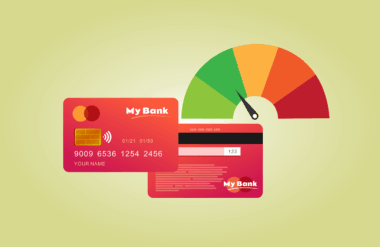
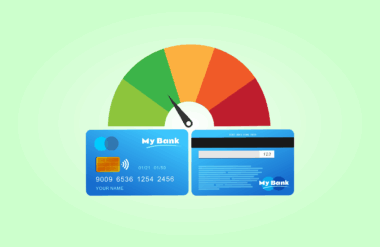
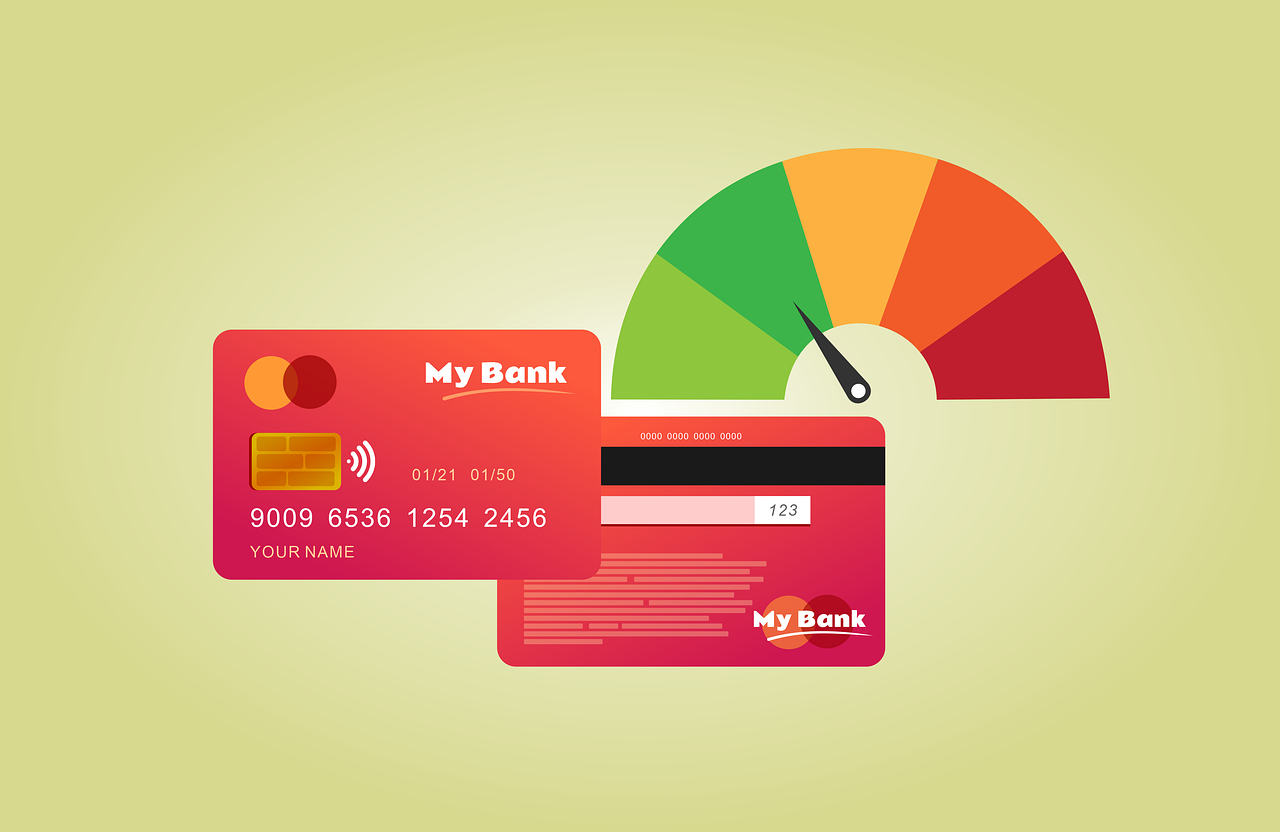
Credit scoring models play a pivotal role in risk assessment within credit management. These models utilize a combination of data points to assess a borrower’s potential creditworthiness. For example, factors such as payment history, credit utilization, and the length of credit history are commonly analyzed. Statistical algorithms process this data, providing lenders with a scoring range that helps to determine approval decisions. A higher score suggests lower risk, whereas a lower score flags potential issues. Advanced techniques leverage machine learning to enhance traditional models, integrating real-time data for more accurate predictions. The importance of keeping these models updated cannot be overstated, as consumer behaviors and economic conditions radically change over time. Adapting these models ensures that lending practices remain relevant and effective. Increased accuracy not only helps lenders mitigate risk but also empowers borrowers to secure financing at favorable rates. Transparency in how scores are calculated is essential as it promotes trust. Involving consumers in understanding their credit scores can lead to better financial habits and responsible borrowing. Therefore, credit scoring serves as both a vital tool in decision-making and a means to foster a healthier credit ecosystem.
Fraud Detection Techniques and Their Importance
Fraud detection is an essential component in the credit management process, particularly when using credit scoring models. Sophisticated techniques are deployed to identify unusual patterns that may indicate fraudulent activities. For instance, machine learning algorithms can analyze transaction behaviors and flag discrepancies that deviate from established norms. Key indicators of potential fraud include sudden increases in transaction amounts, geographic anomalies, or inconsistencies in account behavior. Real-time monitoring is increasingly prevalent, allowing credit institutions to respond to suspicious activities immediately. Data analytics plays a crucial role in enhancing these detection systems, ensuring they evolve alongside emerging fraud tactics. The integration of artificial intelligence in fraud detection has led to substantial improvements in accuracy. These systems learn from historical data and adapt to new threats, significantly reducing the risk of financial loss due to fraud. Furthermore, comprehensive training for staff is necessary, enabling them to recognize signs of fraud and take appropriate action swiftly. Organizations with robust fraud detection mechanisms not only protect their assets but also enhance consumer confidence by demonstrating their commitment to security. Thus, effective fraud detection strategies are vital for sustainable credit management practices in today’s evolving financial landscape.
The interplay between credit scoring models and effective fraud detection is crucial for minimizing risk exposure in lending. For lenders, employing both effectively creates a multi-layered defensive approach against losses or defaults. Credit scoring models flag candidates who exhibit characteristics typical of those who might default. In contrast, fraud detection measures identify those attempting to manipulate the system for illicit means. Implementing a dual approach allows lenders to preemptively assess both genuine applicants and potential fraudsters. This strategic layering creates a barrier that strengthens overall financial security. Additionally, incorporating external data sources enhances model accuracy, as it provides comprehensive insights into an applicant’s financial behavior. For example, utilizing alternative data sources such as utility payments or rent history helps bolster traditional credit scoring models. Furthermore, the collaboration between different financial institutions can improve fraud detection rates by sharing insights and best practices. This not only raises the standard of credit management but also fosters industry-wide innovation. Educating borrowers about the implications of their scores and potential fraudulent practices only strengthens this collaborative effort. Therefore, adopting these measures ensures that lenders remain vigilant while rewarding responsible borrowers through favorable credit conditions.
The Future of Credit Scoring and Fraud Prevention
Looking ahead, the future of credit scoring models and fraud prevention is tightly intertwined with technology advancements. Digital transformation and big data analytics will continually evolve how creditworthiness is assessed. Open banking initiatives promote transparency and allow for better risk assessment through shared financial data. This collaborative environment opens new avenues for lenders to adapt their scoring models. Furthermore, the growing reliance on data analytics facilitates predictive modeling, which anticipates consumer behavior more accurately. Behavioral scoring combined with traditional methods becomes more prevalent, as it provides nuanced insights into an individual’s credit use. Fraud prevention must also embrace these technological changes, adopting tools such as biometric verification and advanced data encryption to stay one step ahead of fraudsters. These preventative measures not only enhance security but also streamline the customer experience. As consumers demand quicker credit decisions, balancing rigorous fraud checks with efficiency becomes vital. Education remains paramount; consumers should be informed about their financial options, enhancing their ability to make sound borrowing choices. A synergistic approach, leveraging innovations in both scoring and fraud detection, positions the industry for future success while safeguarding both lenders and borrowers.
The role of regulations cannot be overlooked, impacting both credit scoring and fraud detection. Government policies dictate the guidelines within which lenders operate, safeguarding consumer rights and maintaining financial stability. As variances in regulation evolve, credit scoring models must be compliant yet adaptable to prevent systemic risks. Financial institutions must work closely with regulatory bodies to ensure their credit risk assessment practices align with legal standards. Additionally, the advent of GDPR and similar legislation highlights the necessity for ethical practices in handling personal data. Implementing consent-driven data collection not only builds trust but enables consumers greater control over their information. As regulation becomes more stringent, training for credit analysts and risk assessors is essential to guarantee comprehension and adherence. Investing in compliance technology also helps streamline regulatory reporting duties without compromising data quality. By proactively addressing these challenges, lenders foster an environment that prioritizes customer rights while operating efficiently. Thus, stringent regulation mandates the continuous evolution of credit scoring models, enhancing their reliability while effectively combating fraudulent activities. In this way, compliance becomes a core component of sustainable credit management strategies in an increasingly complex financial landscape.
Consumer Education and Involvement
Consumer education plays a vital role in the effectiveness of credit scoring models and fraud detection measures. When borrowers are informed about how credit scores are calculated, they can take proactive steps to improve their scores. This awareness leads to better financial management and borrowing habits that contribute to healthier credit ecosystems. Lenders and financial institutions exercising a commitment to transparency build trust with consumers. Offering workshops and resources focused on credit education empowers individuals to understand the implications of their credit behaviors. Additionally, creating easily accessible online platforms for tracking credit scores and reports enhances consumer engagement. Leveraging technology makes it easier for borrowers to monitor activity and spot potential fraud adequately. Various education campaigns on safe borrowing practices can play a key role in preventing fraud. Informing consumers about the red flags of fraud allows them to act swiftly when discrepancies arise in their financial activities. Furthermore, promoting financial literacy in schools ensures that the next generation is equipped with knowledge from an early age. Therefore, integrating consumer education into credit management strategies is essential for enhancing the effectiveness of credit scoring models while minimizing risks associated with fraud.
Continuous improvement in credit scoring models and fraud detection methods is paramount for adapting to evolving financial landscapes. As technology advances, so do the tactics employed by fraudsters, necessitating innovative approaches in credit management practices. Regular updates to scoring algorithms ensure they remain applicable amidst changing consumer behaviors and economic conditions. Financial institutions must invest in research to explore emerging technologies, such as blockchain, which offers unprecedented levels of security for transactions. Collaborations between fintech companies and traditional banks can lead to more robust solutions for both scoring and fraud detection. Furthermore, improved communication channels between lenders and borrowers create a feedback loop for refining methods. Engaging borrowers in discussions about their experiences can yield valuable insights that enhance scoring models. Embracing agility in approach allows organizations to respond faster to new challenges. Consequently, organizations that prioritize innovation keep their scoring models and detection techniques relevant, driving success in credit management. This commitment to evolution ultimately creates a safer financial environment for consumers while allowing lenders to make informed decisions based on accurate assessments. As a result, the future of credit scoring will reflect both technological advancements and consumer empowerment.