
When Does a Collection Account Become Charged Off?
A collection account becomes charged off when a creditor determines that it is unlikely to collect the outstanding debt after repeated attempts. This can occur typically after about 180 days of missed payments. Once a collection account is charged off, it is written off the creditor’s books as a loss, though you still owe the debt. The account will remain on your credit report for seven years from the date of the charge-off. This negatively impacts your credit score significantly. Understanding when a collection account becomes charged off is vital for handling your credit effectively. If you find yourself in this situation, it’s important to address it promptly. Collection accounts can hinder your ability to obtain new credit and may affect interest rates on future loans. The entry of a charge-off on your credit report indicates to lenders that you may be a high-risk borrower. It may also lead to aggressive collection tactics from the original creditor or a third-party agency. Arranging a payment plan or negotiating a settlement can sometimes help mitigate these consequences and improve your credit standing over time.
After a charge-off, it’s crucial to respond appropriately. Many consumers assume that once an account is charged off, they are no longer responsible for the debt, but this is a misconception. You still owe the amount to the creditor or the collection agency. If you receive communication from a collector, pay close attention. You may have options to negotiate your debt, which can help repair your credit history. Always communicate openly and document your interactions. Make sure to get any settlement agreement in writing. This helps to ensure that your payment plan is honored and prevents future disputes. Paying off collection accounts, or even having them marked as settled, can significantly improve your credit rating. However, note that it won’t entirely remove the charge-off from your report. Regular monitoring of your credit report is advised. You have the right to report any errors to credit bureaus. If incorrect information is present, you can file a dispute. Timely actions can help to reduce the negative impact of collection accounts on your financial future.
Impact on Credit Score
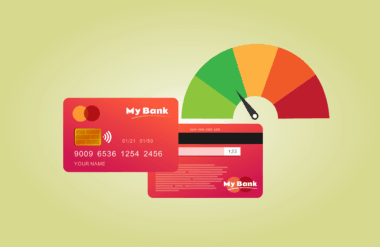
Charge-offs have a long-term negative impact on your credit score. Credit scores, which typically range from 300 to 850, are influenced heavily by payment history. When a charge-off occurs, it signals to future creditors that the borrower failed to fulfill their financial obligations. The weight given to charge-offs within scoring models can vary, but it generally represents a significant portion of the total score calculation. Therefore, a charged-off account can lead to a drop in your credit score that can potentially disqualify you from receiving loans at favorable rates. In some cases, it can even prevent you from qualifying for credit cards altogether. Recovering from the effects of a charge-off could take considerable time and diligent effort. Ratings can improve after consistent on-time payments and reduced credit utilization. It’s important to remain proactive and work on rebuilding your credit profile by taking positive actions, as this hard work will eventually result in improved creditworthiness. Additionally, consider exploring educational resources, seeking advice from credit counselors, or enrolling in courses to learn more about credit management.
While dealing with charge-offs, it’s essential to differentiate between different types of collections. There are two main categories: first-party and third-party collections. First-party collections are when the original creditor continues to try and collect the debt, while third-party collections are when the debt is sold to a collection agency. Both types can have negative ramifications on your credit report. First-party collections are typically perceived as slightly better compared to third-party collections. This perception can impact lenders’ decisions on future loans. You may want to communicate with the original creditor to see if terms can be arranged before it escalates to a third-party agency. If the debt has already been sent to collections, remember that the collection agency is obligated to follow fair debt collection practices. They cannot harass you or misrepresent themselves. If you’re facing aggressive tactics, know that you have rights and can seek legal advice. Make sure to document all interactions with your creditor or collection agency to hold them accountable for any violations of your rights.
Strategies for Recovery
Recovering from a charge-off requires strategic planning and proactive behavior. Begin by obtaining a copy of your credit report. Review it thoroughly for any inaccuracies or outdated information. Armed with this information, consider contacting the creditor to negotiate a repayment plan. Some creditors may be willing to accept less than the full amount owed. Additionally, making payments on time or settling the debt can help improve your credit appearance over time. After addressing the debt, make sure to follow up with your creditor to ensure that they update your credit report correctly. Furthermore, it’s advisable to build a positive credit history moving forward. Consider applying for a secured credit card or a credit-builder loan to start establishing a better payment record. Always stay within your means and try not to max out available credit, keeping your utilization low. This demonstrates to future lenders that you are responsible with credit. By taking these steps, you can gradually rebuild your credit score and improve your chances of gaining future credit approvals.
In conclusion, understanding when a collection account becomes charged off is critical for maintaining financial health. A charge-off can carry long-lasting repercussions on credit scores, so it’s essential to approach the situation with care. If one of your accounts is approaching a charge-off status, consider prioritizing payments or negotiations. Reaching out to creditors may delay the timeline of a charge-off and benefit your financial health in the long run. After a charge-off, keep in mind that rebuilding your credit score will not happen overnight. It takes dedication and consistency to restore your financial reputation. By actively managing your debts and monitoring your credit report, you can minimize negative impacts and improve your score over time. Remember that education plays a key role in understanding credit. Many resources and communities are available to offer support and guidance on managing debts and understanding credit scores. Take the time to research and equip yourself with knowledge that can aid in navigating these financial challenges. Ultimately, your actions post-charge-off can determine your future financial opportunities and stability.
Final Thoughts
Addressing a charge-off effectively is a challenge that many face. However, it’s one that can be managed with the right approach and practices. Remaining proactive in communicating with creditors and monitoring your credit is key. Do not hesitate to partake in available resources designed to help you understand your financial standing better. Consulting financial advisors or credit counselors can be beneficial to strategize effectively. You are not alone in your pursuit to repair your credit, and seeking guidance is always encouraged. Remember to practice patience as rebuilding your credit is a gradual process that requires time and careful management. If you remain steadfast in efforts toward payment adjustment and monitoring, those efforts can yield improvements in your financial standing. Additionally, always keep abreast of your rights regarding credit which can empower you when dealing with collectors. This understanding can lead to more favorable outcomes in negotiations. Lastly, always stay informed about the best financial practices to avoid similar scenarios in the future, making your recovery process easier. Success is achievable, and resources are available, so stay committed to your financial journey.