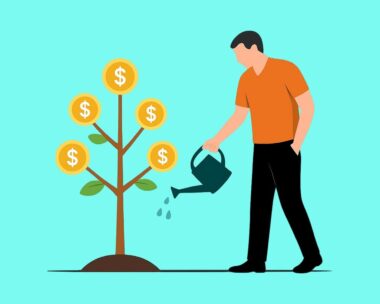

Sustainable Growth: Balancing Economic Development and Environment
Sustainable growth involves creating economic improvement while ensuring that environmental degradation is minimized. Countries around the globe face challenges reconciling their development goals with environmental concerns. This balance requires innovative policies that foster lasting economic growth without compromising natural resources. The integration of sustainability into economic growth strategies is crucial for long-term success. For instance, renewable energy sources such as solar and wind contribute to job creation while reducing dependency on fossil fuels. Embracing green technologies can promote efficiency and output in various sectors. Policymakers can stimulate sustainable growth by offering incentives for businesses that commit to cleaner production methods. Furthermore, engaging local communities in sustainability efforts fosters a sense of ownership and accountability, encouraging responsible environmental stewardship. It is essential for governments to devise regulatory frameworks that align economic interests with ecological health. By investing in eco-friendly infrastructure and technologies, nations can enjoy robust growth while preserving the environment. Sustainable development achieves a dual objective of economic progress and ecological stability, leading to improved livelihoods and societies that thrive morally and economically.
Economic theories emphasize the importance of sustainability as a cornerstone for growth. The traditional growth models often overlook the environmental impact of economic activities. In contrast, sustainable models prioritize ecological balance alongside economic development. A central feature of sustainable growth is its emphasis on resource efficiency. Resource efficiency not only maximizes output but also minimizes waste and environmental damage. This requires an analysis of how resources are utilized, encouraging industries to optimize their processes. Another key element is the interconnectedness of economic sectors with the environment. The adoption of environmental accounting practices can lead to better-informed policies that consider the environmental costs of economic actions. By quantifying these costs, economists can create a clearer picture of true economic performance. Micro and macroeconomic policies must include sustainability as a key factor. Practical applications include promoting circular economies, which aim to close the loop on resource use. Education on sustainable practices also plays a vital role, helping businesses and consumers understand their choices’ implications. Involving all stakeholders ensures cohesive action toward achieving sustainable goals across various sectors.
Challenges in Implementing Sustainable Practices
Despite the clear benefits of sustainable growth strategies, numerous challenges hinder implementation. One of the main obstacles is the resistance from established industries that rely heavily on traditional practices. These industries may view sustainability as a threat to profits and livelihoods. Transitioning to less harmful alternatives can involve significant upfront costs that many businesses are reluctant to bear. Additionally, regulatory uncertainty can stymie innovation, as companies are unsure how investing in sustainable technologies might affect their operations. This risk aversion can lead to missed opportunities in emerging markets. Furthermore, public awareness of sustainability issues varies, impacting consumer demand for eco-friendly products. Educating the marketplace about the benefits of sustainability is crucial for driving change. Compounding these challenges is the need for international cooperation, as environmental issues often transcend borders and require collective efforts for effective responses. Globalization means that local practices can have far-reaching impacts, making coordinated strategies necessary. Addressing these hurdles requires a multi-faceted approach involving policies, public engagement, investments in green technology, and fostering collaboration among stakeholders at all levels.
Integration of education into sustainable development is essential for future generations. Educating society about sustainability and its importance can lead to more informed choices that benefit the planet. Schools and universities have a significant role in fostering a culture of sustainability among students, emphasizing both theoretical knowledge and practical skills. Curriculums that include environmental education prepare students for careers that prioritize sustainability. Moreover, hands-on experiences, such as community projects or partnerships with local businesses, can enhance learning and facilitate real-world applications. Encouraging innovation within education systems can result in new ideas and strategies that advance sustainable growth. Educational institutions can liaise with industries to align programs with actual workforce needs, creating pathways for sustainable job opportunities. Additionally, fostering a spirit of entrepreneurship can encourage students to create sustainable solutions to societal problems. Various scholarships and funding opportunities should also support research in sustainability-related topics. Increased research output will facilitate informed policy-making and lead to innovative technologies that solve pressing environmental concerns. Overall, education serves as a foundation for fostering a culture of sustainability, ensuring a more sustainable future.
The Role of Policy in Promoting Sustainability
Effective policymaking plays a crucial role in promoting sustainable growth practices. Governments can influence economic outcomes by establishing laws and incentives that encourage sustainable behavior among businesses and individuals. For instance, implementing carbon pricing can motivate companies to reduce emissions, fostering innovation in clean technology. Additionally, subsidies for renewable energy can alleviate the financial burden of transitioning to sustainable alternatives, leading to wider adoption. Regulations requiring sustainability reporting can enhance transparency, holding corporations accountable for their environmental impact. Policymakers should engage with all stakeholders to create comprehensive policies that account for economic and environmental objectives. Collaboration between public and private sectors can yield creative solutions that promote sustainable practices while remaining economically viable. Encouraging public participation in policy discussions ensures that diverse perspectives inform decision-making. Furthermore, international cooperation on sustainability can align policies across borders, making them more effective in addressing global challenges. As environmental issues increasingly gain attention, generating momentum for sustainable policies will be critical in reshaping economic frameworks to favor long-term stability and prosperity. Sustainable policy ultimately leads to an economy that is resilient, inclusive, and committed to preserving the environment for future generations.
Measuring the success of sustainable growth initiatives is vital for understanding their impact. Various indicators can be used to assess both economic performance and environmental health. Gross Domestic Product (GDP) has traditionally been the primary measure of economic success. However, GDP alone fails to account for the depletion of natural resources and environmental damage. Instead, alternative measures such as genuine progress indicators (GPI) or the Human Development Index (HDI) encapsulate a broader understanding of wellbeing. These indices consider factors such as ecological health, education, and income equality, providing a more holistic view of progress. Furthermore, sustainability reporting frameworks can standardize how organizations evaluate and report their sustainability efforts. Adopting these frameworks can provide stakeholders with valuable insights into businesses’ commitments to sustainable practices, driving transparency and accountability. Engaging with independent audits can enhance credibility in sustainability claims. As a result, investors and consumers can make more informed choices based on verifiable data on a company’s sustainability efforts. By employing comprehensive measurement techniques, policymakers and businesses can better facilitate the transition towards sustainable growth.
Conclusion: The Path Forward for Sustainable Growth
In conclusion, sustainable growth represents a pathway towards economic advancement while safeguarding our environment. The transition to this model is not only feasible but necessary for future stability. All stakeholders, including governments, businesses, and individuals, must embrace the shift towards sustainable practices. Collaboration across sectors lays the groundwork for innovation that prioritizes ecological integrity. By implementing supportive policies and fostering education, the understanding of sustainability will spread throughout society. This movement can redefine success, prioritizing long-term viability over short-term gains. Investment in sustainable technologies and infrastructures will create jobs and ensure economic resilience. However, accountability and transparency in efforts are essential, ensuring equitable distribution of resources and benefits. Society must hold institutions to their commitments to sustainability, facilitating trust among consumers and businesses alike. As we look to the future, collective efforts will advance the mission of creating a world where economic growth and environmental preservation coexist harmoniously. In this collaborative endeavor, a sustainable future becomes achievable, inspiring hope and commitment toward protecting our planet for generations to come.
This concluding paragraph emphasizes the importance of sustainable growth. It summarizes what has been discussed while reinforcing the necessity of balancing economic development and environmental health. Sustainable growth is paramount for ensuring future generations enjoy a healthy planet.