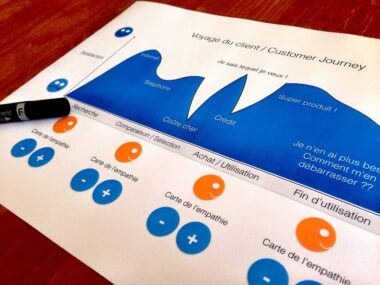

Aligning Customer Journey Mapping with Brand Strategies
Customer Journey Mapping (CJM) is a pivotal technique that helps organizations understand how customers experience their brand across various touchpoints. Through proper mapping, businesses can gain insights into customer emotions, needs, and expectations. This comprehensive view offers an opportunity for companies to align their strategies effectively. Key components of effective CJM include understanding customer personas, identifying critical touchpoints, and evaluating potential pain points in the journey. Additionally, companies should emphasize the importance of tracking customer feedback at every stage. By focusing on these elements, businesses can make informed decisions that enhance the customer experience overall. CJM should not only reflect current practices but also be adaptive to evolving market demands. Brands that invest in CJM will likely see improved customer satisfaction, leading to increased loyalty and ultimately higher revenues. Furthermore, aligning CJM with brand strategy ensures a consistent message and enhances brand perception. This synergy between strategies is what can differentiate a brand in a competitive landscape. Developing a well-defined journey map and its subsequent alignment with the overarching brand strategy is crucial for maintaining relevance in today’s fast-paced environment.
At the heart of effective Customer Journey Mapping is the commitment to understanding the customer’s perspective. Businesses must prioritize gathering data that directly informs mapping efforts. Surveys, interviews, and user testing provide invaluable insights that can shape a crystal-clear picture of the overall customer experience. After collecting this data, it becomes essential to create a visual representation of the journey. This often involves detailing various stages like awareness, consideration, purchase, and post-purchase. Each stage should reveal specific customer interactions and emotional responses to those interactions. By identifying what works and what doesn’t, brands can pinpoint potential obstacles that customers face. Once these insights are compiled, they can serve as a base for developing strategies that enhance customer interactions further. For instance, if a mapping exercise reveals a consistent pain point during the checkout process, efforts can focus on streamlining that experience. Ultimately, a well-crafted journey map acts as both a diagnostic tool and a guide for future strategic initiatives. Companies must regularly revisit and update their CJM to reflect shifts in customer expectations and market dynamics, ensuring continuous alignment with brand strategies.
Integrating Customer Insights into Brand Strategy
Ensuring alignment between Customer Journey Mapping and a brand’s overarching strategy necessitates a collaborative approach to data integration. By sharing insights across departments, companies can develop a unified response to understand customers better and craft tailor-made experiences. Marketing, sales, and customer service teams must engage in ongoing dialogues to ensure that every department is equipped with the latest journey insights. Regular meetings to discuss findings can prompt creative strategies that not only resolve challenges but also innovate the customer experience. Additionally, cross-functional teams can utilize shared metrics to assess their performance in relation to customer satisfaction. The integration process extends to evaluating the effectiveness of communication channels and customer service touchpoints. Companies can monitor both customer sentiment and engagement across various platforms, letting these insights inform adjustments in brand strategy. For example, if a particular communication channel receives negative feedback, businesses can rethink their approach, ensuring that the journey remains seamless. This integrative approach creates alignment between customer experience and the company’s goals, ultimately helping brands maintain consistency throughout their entire strategy.
Mapping the customer journey isn’t only about examining existing pathways; it also involves looking ahead to foresee future trends. By utilizing predictive analytics, organizations can anticipate customer behaviors and preferences beyond current data. This forward-thinking approach should form a core part of aligning brand strategies with customer expectations. Adapting to change is essential for sustaining relevance. Companies can leverage insights from CJM to innovate product offerings, marketing campaigns, and customer service initiatives. They can address emerging customer needs effectively by fostering a proactive culture within their organization. Moreover, automating CJM processes can bring efficiency while enabling teams to respond rapidly to evolving trends. Data analytics tools can highlight patterns that inform strategic pivots, facilitating ongoing improvements to brand strategy. Furthermore, staying ahead of customer expectations—not merely reacting to them—can provide brands a competitive edge. A brand recognized for its anticipatory actions earns greater trust and loyalty from its customers. This proactive approach is made possible by employing a customer journey map that is not static but rather a living document that evolves alongside customer desires and market demands.
Measuring the Impact of Customer Journey Mapping
To establish the effectiveness of aligning CJM with brand strategies, measurable objectives must be defined. These objectives should outline what success looks like for both customers and the company. Key performance indicators (KPIs) can include customer retention rates, customer satisfaction scores, and overall sales growth. Regularly assessing these metrics allows organizations to determine whether their CJM initiatives are positively impacting the brand strategy. Websites and mobile applications can also include tools that provide direct feedback from customers, serving to further refine the journey mapping process. Moreover, utilizing sentiment analysis can help track customers’ emotional responses to brand interactions, enabling companies to adjust strategies accordingly. By fostering an environment that values feedback, companies can better respond to their customers’ evolving expectations. This culture of continuous improvement ensures that both the customer journey and brand strategies remain interconnected. An ongoing cycle of assessing results, implementing changes, and measuring outcomes contributes significantly to long-term success. Brands that actively engage in this cycle demonstrate a commitment to quality and customer satisfaction.
Another critical aspect of combining CJM with brand strategy is ensuring a personalized customer experience. Personalization can significantly impact customer engagement, leading to higher conversion rates. By leveraging the insights gained from CJM, brands can tailor their messaging to fit individual customer preferences and behaviors. A deep understanding of customer touchpoints allows companies to deliver personalized content at precisely the right moments along the journey. For instance, dynamism in email marketing campaigns can lead to increased engagement, as customers receive tailored suggestions based on their previous interactions. In this context, brands can utilize automation tools that enhance their ability to connect with customers, ensuring timely delivery of personalized messages. Additionally, allowing customers to customize their experiences can empower them, enhancing loyalty and satisfaction. Furthermore, investing in technology enables businesses to collect and analyze pertinent data better—ensuring a seamless integration of customer experiences with the brand strategy. As customers increasingly seek personalized experiences that resonate with their needs, it remains paramount for brands to fully embrace the power of CJM, ensuring it informs their core strategies.
The Future of Customer Journey Mapping in Brand Strategies
In today’s rapidly changing marketplace, the future of Customer Journey Mapping continues to evolve with technology and consumer expectations. Emerging technologies, such as artificial intelligence (AI) and machine learning, can drastically enhance the CJM process. By harnessing AI, organizations can efficiently analyze complex customer data patterns and behaviors. These technologies provide real-time insights, assisting brands in making data-driven decisions regarding customer engagement. Moreover, adopting an omnichannel approach ensures that customers experience a seamless journey across all platforms. As they interact with brands through websites, mobile apps, social media, and in-store experiences, continuity is vital for positive brand perception. Effective CJM should enable brands to service their customers consistently across these channels, thus enhancing overall satisfaction. Furthermore, as sustainability becomes an increasing priority for consumers, brands must also adapt their journey maps to reflect these values. Striving to connect with consumers on issues important to them is essential for long-term loyalty. Ultimately, investing in the future of CJM equips brands to meet and exceed evolving customer expectations while enhancing alignment with their core strategies.
In conclusion, effective alignment of Customer Journey Mapping with brand strategies is necessary for achieving long-term success. Companies must continually refine their maps and integrate customer insights to remain relevant. Embracing a dynamic, data-driven approach fosters innovation and allows organizations to adapt to shifting consumer expectations, thus enhancing customer experiences. Furthermore, focusing on personalization through CJM creates a meaningful connection between the brand and its audience. As businesses look to the future, investing in technology and customer insights will be crucial in shaping the next phase of customer interactions. Developing a holistic understanding of consumer journeys prepares brands for challenges that lie ahead. This alignment ultimately results in enhanced customer loyalty, positioning companies favorably against competitors. Companies should prioritize cultivating a corporate culture that values the customer perspective as they strategize for growth. Balancing the integration of CJM with brand strategies will lead to enhanced value for both customers and businesses alike. This ongoing effort is required for sustainable success in an increasingly competitive landscape.