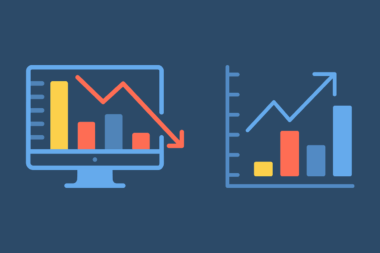

Analytics-Driven Customer Support Strategies for Finance Companies
In today’s competitive finance sector, utilizing analytics to improve customer support has become critical. By leveraging customer data, finance companies can fine-tune their interactions with clients. By employing analytics-driven strategies, businesses can glean insights into customer behavior and preferences. This information can then be used to personalize services, enhancing overall customer satisfaction. Data analytics tools can identify trends, enabling firms to anticipate issues before they arise. Consequently, this proactive approach can transform traditional support roles into valuable advisory positions. Moreover, by analyzing support interactions, finance companies can identify common customer queries and pain points. This allows them to streamline processes, ensuring prompt resolutions. Another advantage of analytics applications is the ability to segment customers based on behavior. Firms can tailor their service offerings, achieving higher engagement. Implementation of effective analytics may require investments in technology and training, yet the ROI could be substantial. Overall, analytics-driven strategies will empower companies to adapt to evolving customer expectations, leading to sustained loyalty. Ultimately, innovation in customer support through analytics creates a win-win scenario, benefiting both the customers and the businesses.
Finance companies benefit significantly from real-time analytics. By monitoring customer interactions as they happen, organizations can respond swiftly to inquiries and complaints. Real-time analytics provides actionable insights that enhance decision-making processes. For instance, if a customer shows frustration via social media or direct communication, immediate analytics can flag that interaction for urgent follow-up. This kind of agility fosters customer trust and satisfaction, reinforcing brand loyalty in a dynamic marketplace. Additionally, integrating various data sources can provide a holistic view of customer behavior. By gathering data from customer feedback, previous interactions, and even transaction patterns, finance companies can build comprehensive customer profiles. This level of personalization enables businesses to anticipate needs, leading to proactive engagement rather than reactive responses. Furthermore, real-time analytics can also assist agents in providing accurate information, minimizing the risk of errors. Training employees to use analytical tools effectively ensures that customer support is knowledgeable and informed. This competency is crucial, particularly in the finance sector, where complex products require a skilled understanding from support staff. As a result, real-time analytics not only improves efficiency but also enhances the overall customer experience significantly.
Implementing Predictive Analytics in Customer Support
Predictive analytics represents a vital strategy for finance companies to enhance their customer support systems. By analyzing historical data, organizations can predict future customer behaviors and needs. This technique allows companies to tailor their responses proactively rather than reactively, which is essential in the fast-paced financial services environment. Utilizing machine learning algorithms, finance firms can interpret complex data sets to uncover patterns. Consequently, support teams can identify potential customer issues before they escalate, effectively mitigating negativity. Moreover, predictive analytics enriches the understanding of customer journeys. By identifying key touchpoints where clients may require assistance, organizations can optimize interactions at crucial junctures. This enhancement not only improves customer satisfaction but also increases operational efficiency. Automation tools powered by predictive analytics can streamline routine inquiries, allowing agents to focus on more complex cases. Additionally, customer sentiment analysis can gauge how clients feel about products and services, providing valuable insights. Data-driven strategies can enhance product offerings based on customer feedback, ultimately leading to renewed trust in the brand. In finance, gaining customer loyalty is paramount, and predictive analytics can provide the competitive advantage needed to thrive.
The application of customer feedback through analytics cannot be overstated. Gathering insights from customer interactions, surveys, and social media can significantly shape service offerings. By analyzing feedback, financial institutions can spot areas for improvement and innovation. Specifically, sentiment analysis helps gauge customer perceptions and areas of dissatisfaction. Companies can implement changes that resonate with their audience, fostering a more positive brand image. Beyond identifying pain points, analyzing customer input also aids in tailoring responses to changing expectations. Agile finance companies can quickly adapt to feedback, optimizing customer experiences. Tracking the effectiveness of these changes through analytics is equally important. This iterative process underpins continuous improvement in customer service strategies. Furthermore, by publicly demonstrating responsiveness to customer feedback, finance companies can bolster their reputation, attracting new clients. Regular reporting and analysis of feedback trends enable better decision-making across departments. For instance, if analytics reveal a consistent concern regarding fees, a firm might adjust its pricing structure accordingly. Ultimately, ensuring that customers feel heard not only enhances satisfaction but also nurtures loyalty. Clients are more likely to stay engaged when they see their input valued and incorporated into service offerings.
Integrating CRM Systems with Analytics
Integrating Customer Relationship Management (CRM) systems with analytics is a game-changer for finance firms. This powerful combination allows organizations to leverage customer data more effectively. CRM systems offer comprehensive profiles of customer interactions, preferences, and histories. When paired with analytics, businesses can extract deeper insights from this data. These insights guide personalized interactions and targeted marketing campaigns. For instance, analytics can reveal trending concerns among clients, enabling firms to address these in real-time. Additionally, this integration helps identify high-value customers, informing resource allocation for support. By understanding which clients contribute most significantly to the business, finance companies can prioritize their needs. Moreover, automating processes through integrated systems reduces human error and enhances efficiency. Agents equipped with sophisticated analytics tools can provide better service by accessing relevant information instantly. These systems can also track the effectiveness of customer engagements, offering insights into which strategies yield the best results. Ultimately, integrating CRM with analytics transforms how finance companies operate. It drives enhanced customer experiences, fostering loyalty and driving long-term growth. As customer expectations evolve, this approach can offer a sustainable competitive edge.
In addition to integration, training staff on analytics tools is imperative for success. Equipping support teams with the necessary skills to analyze data ensures they can utilize insights effectively. Training not only encompasses technical skill development but also emphasizes the interpretation of results. This dual focus enables employees to make data-driven decisions, enhancing their overall performance. Effective training programs can significantly contribute to customer satisfaction. By understanding how to apply analytics in customer interactions, agents can tailor responses. They can provide personalized service, leading to more significant client engagement. Regular workshops and continuous learning opportunities can further reinforce these skills. Moreover, fostering a culture that embraces data-driven decision-making can generate enthusiasm among staff. Employees need to recognize the value of analytics in improving customer support and overall service. This enthusiasm can translate to higher morale and better customer service. Furthermore, strong leadership advocating for data usage can inspire teamwork and collaboration among departments. Ultimately, investing in training not only develops individual competencies but empowers teams to deliver exceptional support. In the finance sector, where trust is paramount, enhancing customer support through trained personnel is essential for success.
Measuring Success with Key Performance Indicators
To evaluate the effectiveness of analytics-driven strategies in customer support, finance companies must establish key performance indicators (KPIs). These KPIs provide quantifiable measures to track progress and success. For instance, measuring customer satisfaction through surveys and feedback questionnaires gives insight into how well the team performs. Furthermore, analyzing metrics such as response time, resolution rate, and customer retention can highlight areas needing improvement. Regularly reviewing these KPIs ensures that support teams align with objectives. Moreover, leading indicators can help predict future performance, facilitating proactive adjustments. By focusing on metrics like first contact resolution rate, firms can enhance efficiency and customer satisfaction simultaneously. Other crucial KPIs might include Net Promoter Score (NPS) to assess overall customer loyalty. Additionally, monitoring customer effort scores can highlight how easy or challenging the experience is for clients. Tracking these KPIs offers organizations comprehensive insights into customer support dynamics. Reporting results to leadership and stakeholders can foster a data-driven culture throughout the organization. Ultimately, using effective KPIs helps finance companies fine-tune support strategies, improving both the quality of customer interactions and overall business performance.
The implementation of analytics in customer support isn’t without its challenges. Finance companies may encounter obstacles such as data privacy concerns, integration issues, and resistance to change among staff. Addressing these challenges proactively ensures a smoother transition to analytics-based processes. Firstly, companies must prioritize data privacy to build customer trust. Compliance with regulations such as GDPR is essential. Secondly, integrating existing systems with new analytics tools can require significant technical resources. Proper planning, in consultation with IT departments and external vendors, ensures seamless integration. Furthermore, fostering a culture of openness and adaptability among staff is crucial. Senior leadership must advocate for the importance of analytics in enhancing customer support. Engaging employees through training and providing clear benefits highlights the advantages of the transition. Regularly sharing success stories and data-driven wins can motivate teams to embrace change. In addition, obtaining buy-in across departments encourages collaboration. All stakeholders must understand their role in driving analytics initiatives forward. Finally, continuous evaluation of processes and technologies ensures progress remains aligned with evolving customer needs. Successfully navigating these challenges can pave the way for an analytics-driven customer support approach that drives sustainable success.