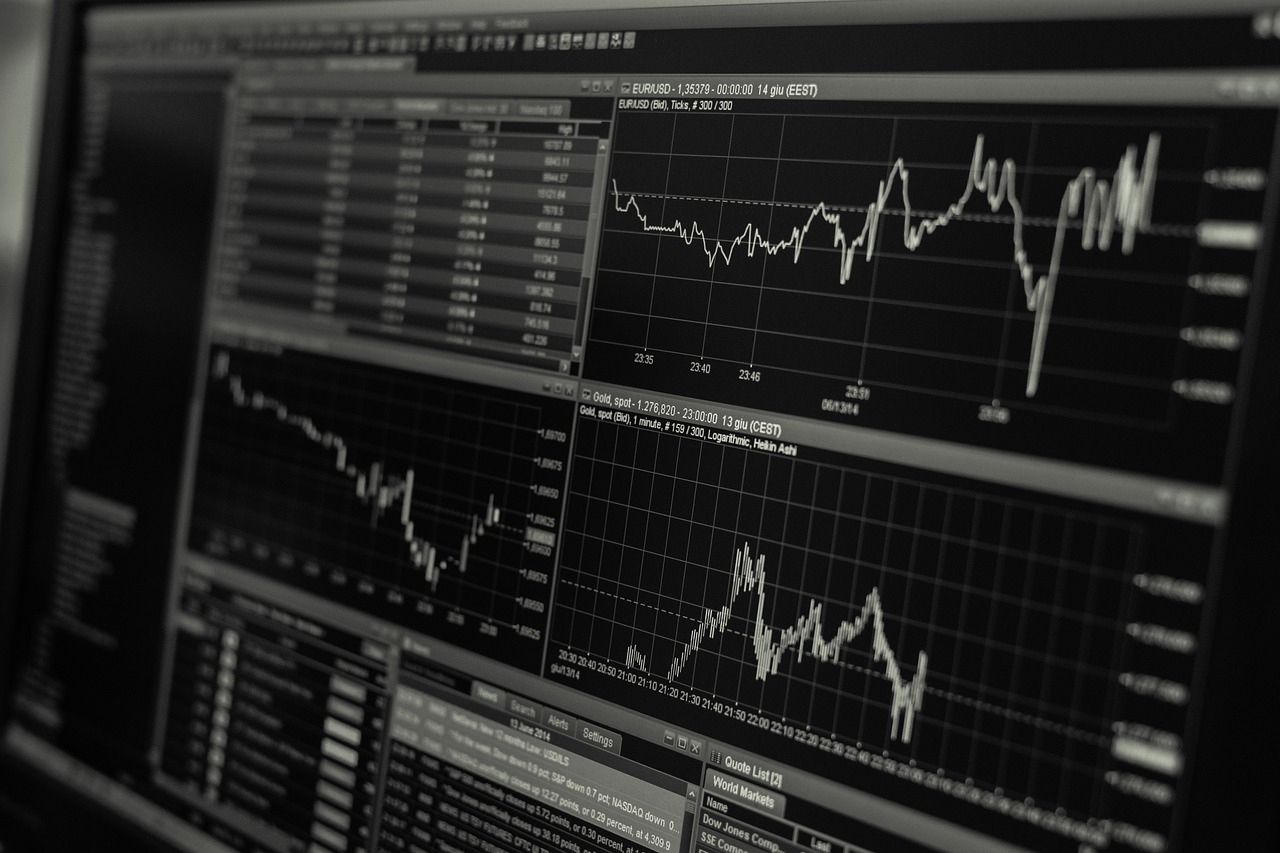

Introduction to Technical Analysis for Stock Trading
Technical analysis is an essential tool for stock traders looking to make informed decisions in the market. It involves analyzing statistical trends obtained from trading activity, such as price movement and volume. One key aspect of technical analysis is the use of charts to visualize these trends, providing traders with insights into potential future movements. Utilizing various tools like moving averages, trend lines, and oscillators can help traders identify market trends and reversals. Understanding and interpreting these indicators can significantly enhance trading strategies, helping traders time their entries and exits effectively. Another important concept in technical analysis is support and resistance levels. Support is where a stock tends to stop falling and reverse, while resistance is where it typically stops rising. Identifying these key levels can help determine potential buy and sell points. Additionally, traders often employ candlestick patterns to gauge market sentiment. Familiarity with these patterns can give insights into possible price action. Overall, mastering technical analysis builds a solid foundation for any trader aiming for consistent profitability in the stock market.
To effectively engage in technical analysis, traders must first understand the different types of market trends: bullish, bearish, and sideways. A bullish trend indicates rising prices, a bearish trend signifies price declines, while a sideways trend reflects a lack of direction. Recognizing these trends is critical for developing a successful trading strategy. Next, traders should get accustomed to various chart types like line charts, bar charts, and candlestick charts. Each chart type offers unique advantages and information levels. For instance, candlestick charts can provide detailed information about price movements within a given period with significant insights into buyer and seller behavior. Understanding volume, which measures the number of shares traded within a specified timeframe, is also vital. High volume can confirm trends, while low volume may indicate uncertainty. Furthermore, traders often combine different indicators to gain a comprehensive understanding of market dynamics. Commonly used indicators include the Relative Strength Index (RSI) and moving averages. Combining these tools and adopting a disciplined trading approach can lead to informed decision-making in the stock market, significantly minimizing losses for traders.
Key Tools for Technical Analysis
When it comes to performing technical analysis, there are several key tools traders should be familiar with. These tools help analyze price charts and identify potential trading opportunities. One of the most basic yet effective tools is the trend line. Trend lines can be drawn by connecting the lows or highs of price movements and serve to illustrate the overall trend direction. Additionally, moving averages average the price over a specific period, helping to smooth out price fluctuations. Simple Moving Average (SMA) and Exponential Moving Average (EMA) are two widely used variations. Utilizing moving averages can provide insights into potential support and resistance areas. Next, indicators like the Bollinger Bands help traders understand price volatility by plotting lines two standard deviations away from a moving average. When prices touch or exceed these bands, it may indicate overbought or oversold conditions. Lastly, oscillators such as the MACD (Moving Average Convergence Divergence) provide insights into momentum and can help identify bullish and bearish signals. Familiarizing yourself with these tools is crucial for developing a comprehensive trading strategy.
Another critical tool in technical analysis is the Fibonacci retracement levels. Traders often employ these levels to find potential support and resistance during price reversals. By plotting the key Fibonacci ratios (such as 23.6%, 38.2%, 61.8%), traders can identify areas where price may reverse. This technique is particularly useful in volatile markets where uncertainty prevails. Additionally, chart patterns, including head and shoulders, flags, and triangles, can help traders understand price movements and anticipate future trends. Recognizing these patterns improves one’s ability to predict price direction and make well-informed trading decisions. Furthermore, using volume indicators alongside price signals can reinforce the analysis. Volume analysis helps traders confirm whether a price movement is strong or weak, adding credibility to the patterns and trends identified. Patience is crucial for analyzing chart patterns and signals effectively. Making hasty decisions can lead to losses. Thus, traders should wait for confirmation from multiple indicators before executing trades. Adopting a comprehensive approach to technical analysis can greatly improve trading outcomes.
Practicing Technical Analysis
To truly master technical analysis, consistent practice is necessary. Begin by establishing a practice routine, where you analyze different stocks and their charts daily. This helps you become familiar with the various tools and indicators available, gradually developing your skills in making smart trading decisions. Utilizing a demo trading account can provide valuable experience without risking real capital. Through simulated trades, you can apply the principles of technical analysis in real-time scenarios. Reflecting on the outcomes of past trades, whether successful or unsuccessful, will help improve your analytical thinking. Additionally, keep a trading journal to record your thought processes, decisions made, and the results achieved. This self-reflection aids in identifying successful strategies and honing your approach. Engaging with educational resources, such as books, online courses, and webinars, can further enhance your understanding of technical analysis. Join discussion forums or communities where traders share insights and experiences. Collaboration with fellow traders can provide fresh perspectives and inspire continuous learning. Stay focused on refining your skills and developing a robust trading strategy based on technical analysis principles.
It is essential to remember that technical analysis works best when combined with other approaches and concepts. For instance, integrating fundamental analysis can provide a more holistic view of the market. Understanding a company’s financial health, industry factors, and economic conditions can help you better interpret price movements. However, it’s vital not to compromise the core principles of technical analysis while using these additional insights. Risk management is another critical concept that must accompany trading strategies. Utilizing stop-loss orders, for example, helps limit potential losses if a trade does not move in your favor. Developing a sound risk-reward ratio is crucial when determining entry and exit points. Strive for an optimal balance where potential profits exceed potential losses. Furthermore, remaining informed about market news and events can influence price movements. Analyze how different factors affect market psychology and forecast trends. Ultimately, persistence and continuous learning are key components of success in stock trading. A well-rounded approach enhances both your technical analysis skills and overall trading performance.
The Future of Technical Analysis
As technology advances, the landscape of technical analysis continues to evolve. New tools and platforms are emerging that provide enhanced features for traders. Artificial intelligence and machine learning are becoming increasingly integrated into trading systems, helping to analyze vast amounts of data quickly and effectively. These innovations enable traders to identify trends and signals that may have otherwise gone unnoticed. Additionally, the rise of mobile trading applications enables traders to monitor the markets and execute trades from anywhere. This newfound accessibility allows for faster decision-making and a more dynamic approach. Moreover, educational resources are becoming readily available, with numerous online courses and resources helping new traders understand technical analysis principles. It’s essential for traders to stay updated on the latest advancements and industry trends. Embracing technology and remaining adaptable will be crucial for success in this continually changing environment. Ultimately, technical analysis remains a cornerstone of stock trading, offering invaluable insights for informed decision-making. As you embark on your trading journey, continuously seek knowledge and adapt to changes, ensuring a prosperous future in your trading activities.
In conclusion, technical analysis is a powerful mechanism for any trader aiming to navigate the complexities of the stock market effectively. By mastering various tools, chart patterns, and indicators, traders can develop a trader’s intuition that guides their decisions. Adopting sound techniques such as trend analysis, volume analysis, and the use of oscillators is essential for success. Most importantly, cultivating discipline in your trading approach is crucial. Avoid letting emotions dictate your investment decisions, as this often leads to losses. Instead, hone your skills and create a well-defined trading plan that aligns with your trading psychology. Evaluate the success of your trades and continually strive for improvement. Over time, your experience will bolster your confidence and capacity to identify profitable trading opportunities. Technical analysis not only helps in making informed trades but also plays a key role in reducing risks. By investing time in learning and practicing, you will build a strong foundation in stock trading. Finally, never hesitate to learn from experienced traders and seek advice. Embrace the community of traders, as they can provide insight and guidance on your journey to becoming a competent trader.