
Integrating Credit Scoring Models into Financial Decision Systems
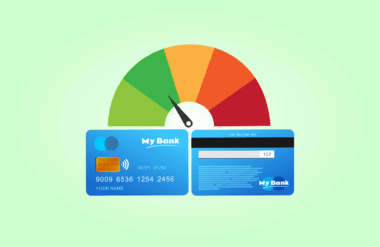
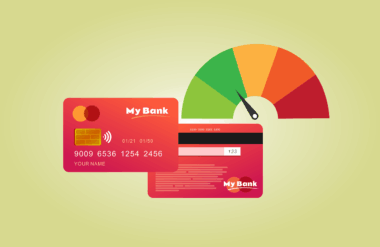
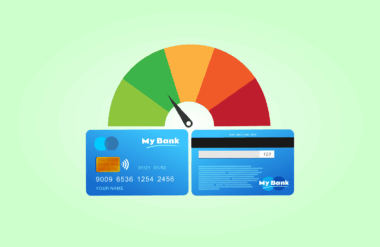
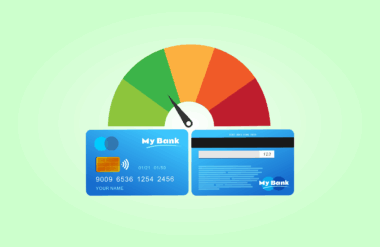
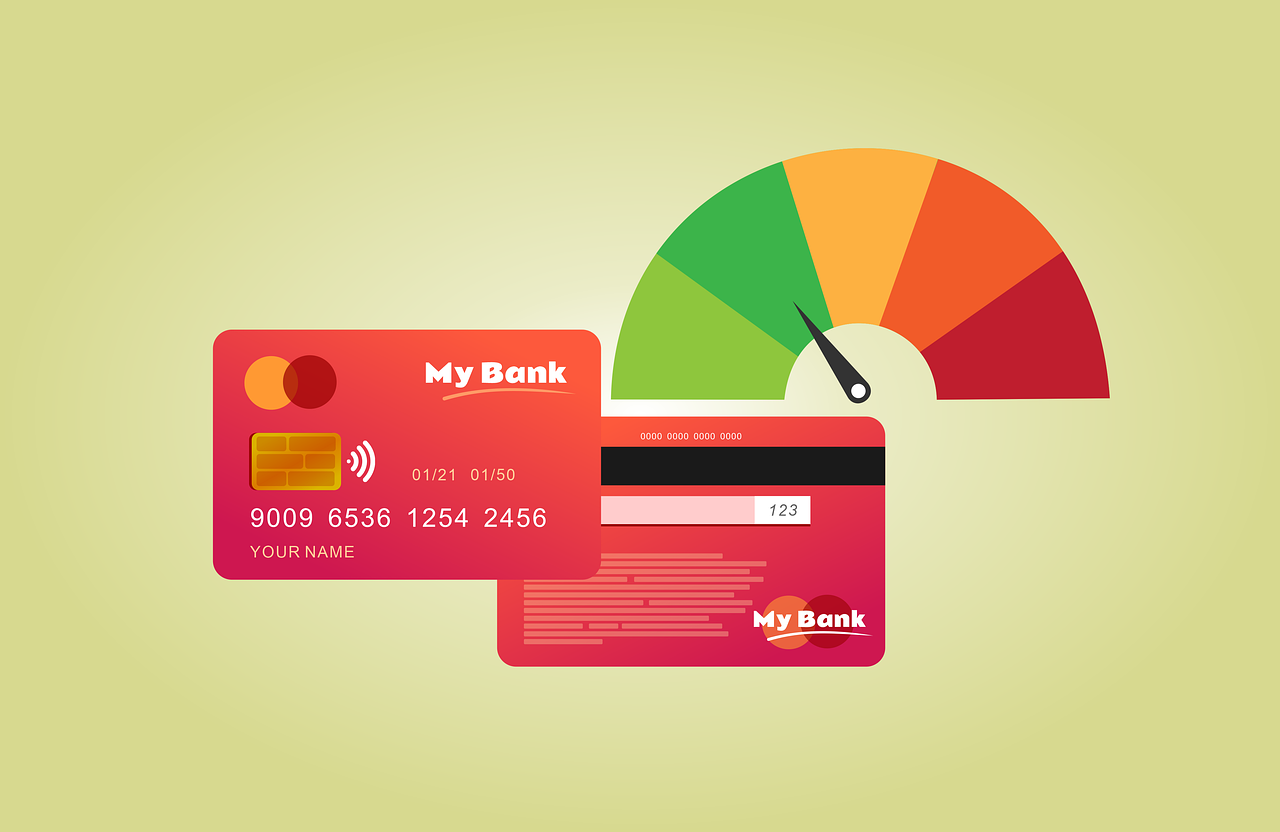
Credit scoring models are pivotal tools in the realm of financial decision-making. They enable lenders to assess the risk associated with potential borrowers accurately. An effective credit scoring model statically predicts the likelihood that a borrower will default on a loan based on various factors. These factors typically include an individual’s credit history, income level, outstanding debts, and repayment history. Lenders have come to rely heavily on these models to mitigate risks while maximizing profitability. As the financial landscape evolves, integrating more sophisticated scoring models becomes imperative for lenders. Advances in technology allow for the incorporation of vast amounts of data into scoring algorithms. Consequently, these models can evolve rapidly, reflecting real-time changes in consumer behavior and economic conditions. Employing comprehensive analytical techniques helps optimize the prediction accuracy of these models, allowing institutions to make more informed lending decisions. The integration of alternative data sources, such as utility payments or rental history, enhances the credit profiles, especially for thin-file borrowers. Thus, lenders can expand their customer base while managing risk effectively, ensuring that accessing credit becomes more inclusive.
Enhancing credit scoring models with machine learning techniques has significantly transformed their efficacy. Traditional scoring approaches primarily rely on linear regression models that may not capture complex consumer behavior patterns adequately. However, machine learning algorithms, particularly ensemble methods and neural networks, offer more nuanced insights into the data. These techniques allow for the identification of non-linear relationships, thus improving overall predictive performance. By leveraging enormous datasets, machine learning models can adapt to changing trends, which is increasingly vital in volatile economic climates. Moreover, implementing these advanced models enhances the detection of fraud, as they can identify anomalies suggesting fraudulent activities. The incorporation of real-time data streams can further enhance the responsiveness of credit scoring systems, enabling lenders to adjust risk profiles dynamically. Consequently, machine learning not only elevates risk assessment but also improves operational efficiency within financial institutions. This adaptation can streamline client onboarding processes while still ensuring thorough vetting. Integrating cutting-edge technology into credit scoring models is essential in the competitive financial industry. As a result, organizations that embrace these advancements position themselves as leaders in innovation and customer satisfaction, paving the way for better financial inclusion.
Impact of Alternative Data on Credit Scoring
The use of alternative data in credit scoring represents a paradigm shift in how lenders evaluate borrower risk. Traditionally, credit assessments relied on historical financial behavior, but this approach often excluded many consumers, particularly those with limited credit histories. Alternative data sources, such as social media activity, mobile phone usage, and even online shopping behavior, provide valuable insights into consumer reliability. By incorporating these sources, lenders can construct a more holistic view of an applicant’s creditworthiness. This is particularly beneficial for individuals with scant credit histories, like recent graduates or immigrants. Integrating alternative data enhances the predictive accuracy of credit scores, thus reducing default rates effectively. Furthermore, lenders can better gauge the risk levels of diverse demographic groups, promoting financial inclusion. This approach could significantly impact public policy by enabling institutions to offer credit products to a broader range of consumers. However, ethical considerations surrounding the use of alternative data must be addressed, ensuring fairness and transparency in the credit assessment processes. In a rapidly digitizing world, alternative data is not just a tool; it represents a transformative opportunity for reconsidering traditional credit evaluation methods.
Data privacy and security are significant concerns regarding the integration of alternative data into credit scoring models. As lenders increasingly rely on expansive datasets, it necessitates stringent measures to protect consumer information. Robust data privacy policies must be established to ensure compliant data handling practices according to regulations such as GDPR. Consumers must feel confident that their personal information will be safeguarded during the data collection and analysis processes. Financial institutions must invest in advanced cybersecurity infrastructure to prevent data breaches that could expose sensitive consumer information, leading to dire consequences both for consumers and the institution itself. Additionally, transparency regarding data usage plays a crucial role in maintaining customer trust; consumers should be informed about what data is being collected and how it impacts their credit evaluations. It is essential for lenders to strike a balance between leveraging data for enhancing credit scoring models and respecting consumer privacy. Engaging customers in the conversation regarding data usage can promote better relationships and encourage responsible borrowing. Ultimately, addressing these concerns is vital to ensure the sustainable growth of credit scoring systems in an evolving financial market.
Regulatory Frameworks Shaping Credit Scoring Practices
The regulatory landscape surrounding credit scoring is evolving to keep pace with the rapid advancements in technology. Regulatory bodies are focusing on ensuring that credit scoring models are transparent, fair, and non-discriminatory. Legislation aimed at protecting consumer rights has begun influencing lending practices significantly, putting the onus on lenders to validate their scoring methods. For instance, regulations such as the Fair Credit Reporting Act in the United States ensure that consumers are informed about their credit ratings and have access to dispute inaccuracies. Regulatory frameworks encourage lenders to adopt more inclusive credit scoring models, factoring in diverse demographics. Compliance with these laws is not just a legal obligation but also improves customer trust and brand reputation. Lenders who incorporate ethical practices into their decision-making processes tend to foster stronger relationships with clients. Furthermore, as regulatory scrutiny increases, financial institutions face the challenge of maintaining competitive edges while adhering to compliance requirements. Therefore, a proactive approach in adapting to regulatory frameworks can create a sustainable advantage for lenders. Comprehensively understanding and embracing these changes can lead to enhanced operational practices in credit scoring.
Collaboration between financial institutions and regulatory bodies can foster innovation in credit scoring models. By engaging in discussions, stakeholders can share insights on emerging trends, risks, and solutions that benefit the industry as a whole. Such collaborations ensure that advancements in credit scoring align with sustainable practices. Moreover, financial institutions can advocate for regulatory adaptations that accommodate new technologies, enhancing operational efficiencies while ensuring consumer protection. This dynamic feedback loop creates a fertile environment for innovation while maintaining the necessary oversight. Additionally, cooperation can result in the construction of public credit data platforms that help democratize access to credit scoring information, promoting transparency and fairness in lending practices. These platforms can reduce the need for individual lenders to go through extensive data collection processes and make it easier for borrowers to understand their credit profiles. By leveraging shared knowledge and resources, the credit management sector can evolve in a responsible and sustainable manner. Ultimately, such collaborative efforts have the potential to shape the future of credit scoring, emphasizing fairness and accessibility in financial decision-making.
The Future Directions of Credit Scoring Models
Looking ahead, the future of credit scoring models appears to be increasingly driven by technology and data analytics. Innovations in artificial intelligence (AI) and big data will continue to reshape credit evaluation processes, leading to more predictive and nuanced scoring models. As financial institutions adopt AI, the potential for automating risk assessments will rise, improving both accuracy and efficiency. Moreover, continuous learning algorithms can optimize scoring systems by adapting to real-world conditions dynamically, ensuring they remain relevant in changing economic climates. Recognizing trends in consumer behavior will be critical to the development of future credit scoring models. Further, methodologies combining traditional scoring techniques with innovative data analytics approaches will likely be adopted, offering better options for risk management. The financial sector must foster a culture of innovation, inviting startups and technology firms to collaborate on research and development efforts. This openness to new ideas will promote the necessary agility to respond to market demands. As credit scoring models evolve, institutions are likely to place increased importance on responsible lending, ensuring that advances in scoring contribute positively to financial inclusion.
Ultimately, as credit scoring models integrate more advanced technologies, they must also maintain the core principle of safeguarding consumer interests. Balancing technological advancements with ethical considerations remains paramount to achieving sustainable growth in the lending industry. Financial institutions must prioritize transparency, ensuring that consumers understand how their information is evaluated and the reasoning behind credit decisions made. Fostering a consumer-centric approach will not only build trust but will encourage responsible borrowing habits among consumers. Research indicates that informed borrowers are more likely to maintain healthier financial behaviors, which benefit all stakeholders involved in lending. Furthermore, continuous training and upskilling of credit analysts will be essential, enabling them to understand and interpret the increasingly complex data landscape. Preparing for a future where data deeply informs lending practices calls for collaborative efforts between institutions, regulatory bodies, and technologists. Implementing robust processes for monitoring and evaluating the effectiveness of scoring models will also contribute to continual improvement. Ultimately, as the financial landscape evolves, embracing innovation while upholding ethical standards will define the future landscape of credit scoring, driving better outcomes for consumers and financial institutions alike.