
The Importance of Home Energy Efficiency When Buying
When considering purchasing a home, it’s crucial to evaluate its energy efficiency. Homes with high energy efficiency often lead to lower utility bills, which can significantly impact your monthly budget. Energy-efficient homes usually have better insulation, more efficient heating and cooling systems, and energy-saving appliances. When shopping for a home, it’s essential to ask for energy performance reports and certifications, as these documents provide insight into how efficiently a home operates. Additionally, energy-efficient homes tend to have a higher resale value, making them a smart investment. Keep in mind that energy efficiency improvements can also lead to better indoor air quality. Furthermore, some regions offer incentives or rebates for purchasing energy-efficient homes, potentially saving you significant money. Factors like window quality, roof insulation, and energy-efficient appliances contribute to the overall effectiveness of energy use within a home. Recognizing the importance of energy efficiency could help you make an informed decision when investing in a property.
Understanding energy efficiency ratings can be complex, as there are numerous standards and certifications that exist in the market. Two widely recognized certifications are ENERGY STAR and LEED. Homes that are ENERGY STAR certified use less energy than the average home, which directly influences lower utility costs. LEED certification, on the other hand, evaluates a home’s environmental performance and sustainability, often providing a more comprehensive overview of energy efficiency. When touring a potential property, take the time to inquire about such ratings. Additionally, consider the long-term implications of energy efficiency on your finances and lifestyle. For example, investing in a home with superior energy efficiency could yield savings over time, making the initial investment worthwhile. Saving money on utilities is just one aspect; less energy usage also contributes positively to the environment, reducing your overall carbon footprint. Remember that every small change adds up. When working with your real estate agent, prioritize discussions around energy-efficient properties. This proactive approach will ensure you are better informed.
Evaluating Energy Efficiency Features
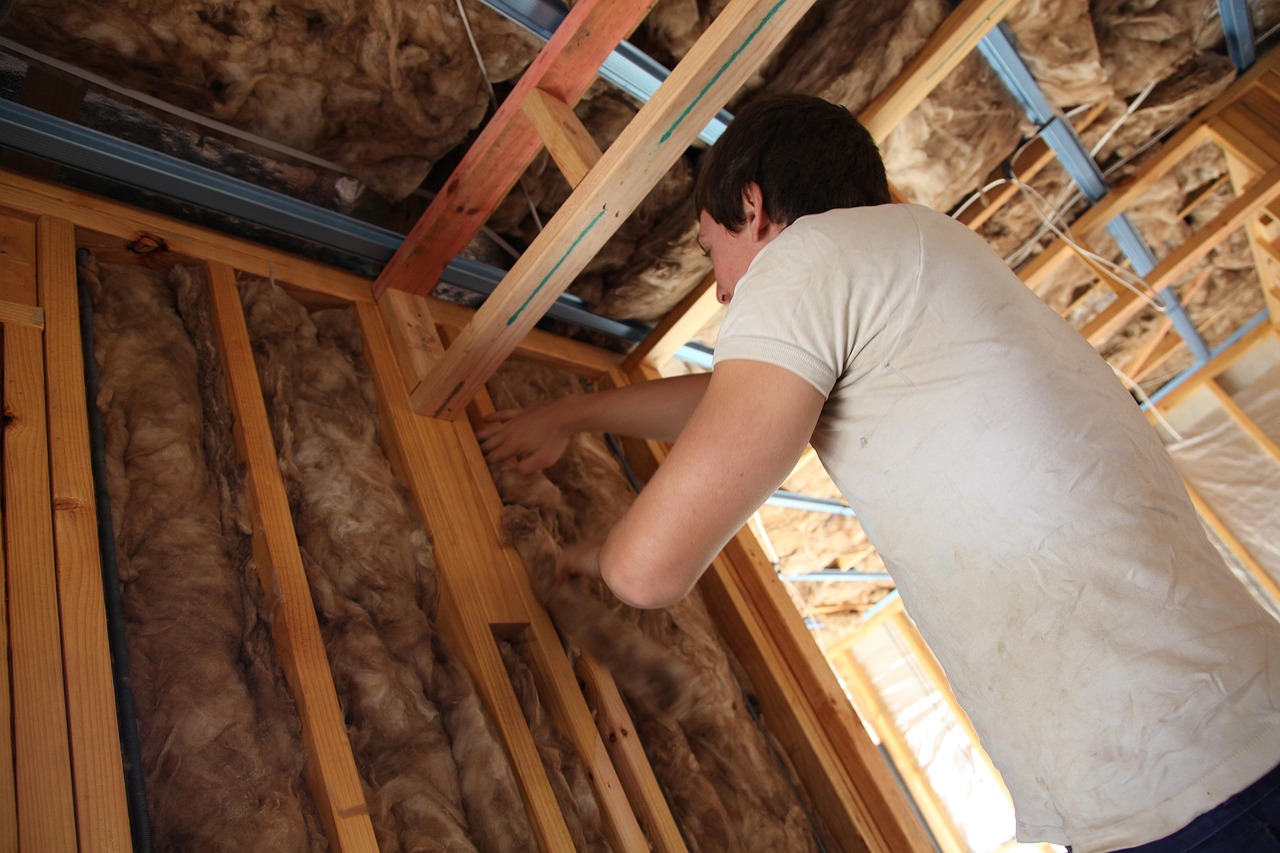
A crucial step in the home-buying process is evaluating specific energy efficiency features within each prospective property. Begin with the home’s insulation, as effective insulation minimizes heat loss during winter and keeps your home cool in the summer. Check areas such as attics, walls, and basements for proper insulation. Next, inspect windows and doors, as their quality and sealing will affect energy loss. Double-glazed windows can significantly enhance energy efficiency by reducing heat transfer. The type of heating and cooling systems in place is another essential consideration. Energy-efficient systems, such as heat pumps and modern air conditioners, can operate far better than older models. Ask to see maintenance records to determine how well these systems have been maintained. Furthermore, it’s wise to assess the energy systems of any appliances included in the purchase. High-efficiency appliances consume less electricity and can lead to ongoing cost savings. By focusing on these features, buyers can ensure they are choosing a home that aligns with their financial and environmental goals.
Do not overlook the potential costs associated with improving energy efficiency after purchase. Even if a home is not currently classified as energy-efficient, various upgrades can be made to improve its performance. Start with a home energy audit, which will identify areas for improvement and provide actionable recommendations. Common upgrades include adding insulation, replacing outdated heating and cooling systems, and sealing air leaks. These enhancements may require significant upfront investment but often yield long-term savings on utilities. Additionally, there are government and local programs that assist homeowners in financing these improvements. Be certain to research available incentives or tax credits, as they can help defray expenses. Moreover, energy-efficient upgrades could improve your home’s resale value, making it a wise financial decision. Understanding the balance between initial costs and long-term savings is vital while evaluating properties. Finally, consider the lifestyle you wish to lead, as energy efficiency can enhance your quality of life through greater comfort and lower stress related to energy costs.
Impact on Resale Value and Marketability
Another essential factor to consider is how energy efficiency positively influences a home’s resale value and overall marketability. Homes that are recognized for their energy-efficient features can attract more buyers. Today’s homebuyers are increasingly conscious of both their environmental impact and the sustainability of their future home. Many buyers now prioritize green features, and having an energy-efficient home can make a significant difference during resale. Properties that showcase energy-saving ratings often sell faster and can command higher prices than comparable homes without such features. Moreover, as energy costs continue to rise, the appeal of energy-efficient properties is likely to increase. Presenting your home as environmentally friendly can leave a lasting impression on prospective buyers. If your home has received certifications, be sure to highlight these in marketing materials. Additionally, consider how improvements made during your ownership can be noted, as they can highlight progressive energy upgrades made to the home. Ultimately, an energy-efficient home stands as an excellent long-term financial decision for buyers and sellers alike.
Another intriguing aspect of buying an energy-efficient home has to do with the maintenance of efficiency over time. Energy-efficient systems often come with warranties that provide peace of mind and can mitigate future repair expenses. When exploring potential home options, inquire about the age of the major systems within the property to gauge their expected longevity. Knowing how often appliances need replacing or servicing can give you insight into future costs. Additionally, it’s essential to ensure that a property has been well-maintained. A poorly maintained efficient system can lead to diminished returns on your initial investment. Therefore, seek homes with a documented history of maintenance; this will give you confidence in the property’s ongoing efficiency. Be proactive when reviewing inspection reports, focusing on energy systems. Understanding how seasonal changes might affect a home’s performance can allow you to budget effectively. Lastly, conducting research on available technologies and incentives for energy efficiency upgrades could prove beneficial as you consider potential properties.
Conclusion: Wise Investment in Energy Efficiency
As we have discussed, energy efficiency plays a significant role when selecting a home. While many buyers primarily focus on price, location, and appearance, ignoring energy efficiency can lead to costly mistakes. Homes that incorporate energy-saving features not only offer financial benefits but also contribute positively to environmental conservation efforts. By prioritizing energy efficiency in your home search, you can secure a property that promises lower utility costs and an increased potential for resale value. Additionally, energy efficiency leads to enhanced comfort and a healthier living environment, making your home a sanctuary that reflects your values. Investing in energy-efficient property is not just a trend but rather a substantial step toward achieving financial stability and sustainability. Whether through immediate savings or long-term value appreciation, the benefits are undeniable. Preparing yourself with knowledge regarding home energy efficiency features will provide you with the tools necessary to make informed decisions. Ultimately, an energy-efficient home can significantly enhance your quality of life while aligning with both your financial goals and environmental responsibilities.
In conclusion, energy efficiency is a vital aspect for any home buyer. Always assess your potential choices thoroughly to discern the right fit for your needs. Ask the right probing questions during open houses and home tours about energy features and certifications. Pay attention to energy costs as a crucial factor in your home-buying evaluation process. Always consider potential trade-offs in enduring comfort and ongoing savings associated with energy efficiency. By doing so, you may discover better options that may have initially been overlooked, leading to advantages in your purchasing decision. Secure your home with energy efficiency in mind for lasting benefits. Strive to become a smart, energy-conscious homeowner who protects not only personal finances but also contributes toward a healthier planet. Educating yourself about energy efficiency may seem overwhelming, but the rewards are well worth it in the long run. Refocusing your home search with these tips can pave the way for a happier and healthier living space for years to come.