
Using Visual Aids to Enhance Stakeholder Understanding
Effective communication is crucial in project management. Stakeholders must clearly understand project goals, progress, and outcomes to ensure alignment. Visual aids enhance communication by presenting complex information in a more digestible format. They provide clarity and help stakeholders visualize data rather than interpret text-heavy reports. Well-designed graphics can convey messages quickly and reduce misunderstandings that text might provoke. Infographics, flow charts, and diagrams make it easier for stakeholders to grasp key points at a glance. Visual representations frequently engage audiences effectively, allowing them to retain information better. As a result, visuals can catalyze more informed decision-making within your project team. Integrating visuals into communication can facilitate more dynamic discussions during meetings. Furthermore, it encourages feedback and questions. Overall, visual tools can be a bridge connecting technical knowledge and stakeholder comprehension. They cater to various learning styles and preferences, ensuring every stakeholder can engage with the material effectively. In the following paragraphs, we will explore different types of visual aids that you can utilize and best practices for their implementation.
Types of Visual Aids
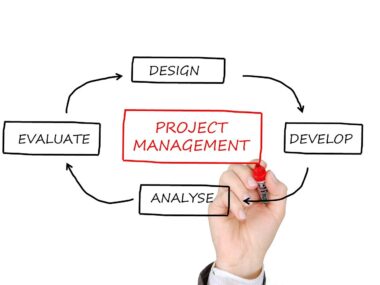
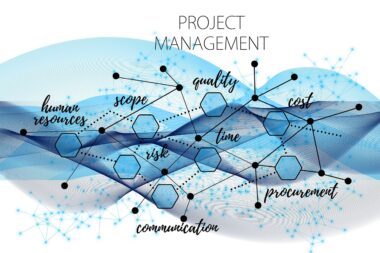
There are numerous types of visual aids that project managers can deploy to enhance stakeholder understanding. Each type offers unique advantages tailored for specific contexts. Infographics are appealing for summarizing complex data sets. They combine images and text to portray trends and key statistics succinctly. Flow charts illustrate processes, guiding stakeholders to follow the steps involved in project execution. Diagrams provide visual representations of relationships, showcasing how various elements of the project are interconnected. Gantt charts are excellent for timeline visualization, helping stakeholders grasp project schedules and milestones. Additionally, tables can organize data clearly, allowing for easy comparisons. When utilizing these various types of visual aids, it is essential to consider the audience’s preferences and needs. Providing multiple types of visuals can cater to diverse learning styles and offer the best chances for comprehension. Remember, the goal is to enhance understanding and engagement within the stakeholder community. Thus, choosing effective visuals can also encourage dialogue and collaboration, leading to more successful project outcomes. In the next section, we’ll discuss best practices for using visuals.
Best Practices for Implementing Visual Aids
Implementing visual aids effectively requires adherence to several best practices. First, ensure that visual aids are relevant and directly aligned with the content being discussed. Irrelevant visuals can confuse rather than clarify, detracting from the main message. Simplify your visuals; excessive detail can overwhelm viewers. Instead, opt for clear, concise designs that convey the essential points. Use colors and fonts thoughtfully to enhance readability and avoid visual clutter. Consistency in design across all visuals fosters a professional appearance while making comprehension easier. Furthermore, where applicable, combine visuals with verbal explanations to reinforce key information. This approach caters to different learning styles ensuring that all stakeholders can grasp the material. Additionally, gather feedback regarding the effectiveness of visuals used in presentations. This will help you adjust future presentations to better meet stakeholder needs and preferences. Engaging stakeholders through high-quality visuals can build a collaborative atmosphere, fostering trust and transparency throughout the project lifecycle. Overall, thoughtful implementation of visual aids can significantly impact stakeholder understanding. Let’s move on to discuss the benefits of visual communication.
Benefits of Visual Communication
Utilizing visual communication brings numerous advantages to project management. One key benefit is the enhancement of understanding among stakeholders. Visual aids simplify complex concepts, allowing stakeholders to process information quickly and effectively. This can lead to more informed decisions, as stakeholders can better visualize project components and associated data. Additionally, visual communication can promote engagement and interactivity, creating opportunities for dialogue. When stakeholders actively participate in discussions around visuals, they become more invested in the project’s progress and outcomes. Furthermore, visual aids can help identify potential issues early. By analyzing trends and data through charts or graphs, stakeholders may spot discrepancies requiring immediate attention. Another advantage is that visual communication can save time. Presenting information visually often takes less time than lengthy explanations or reviews of textual documents. This efficiency can be crucial in fast-paced project environments. Overall, the benefits of visual communication are profound, ultimately resulting in improved stakeholder relationships and project success. In the next section, we will examine how to choose the right tools for creating visual aids.
Selecting Appropriate Tools
Choosing the right tools for creating visual aids is essential for effective communication. There are several software programs and applications available that cater to the needs of project managers. For instance, tools like Microsoft Visio and Lucidchart facilitate the creation of flow charts and diagrams, streamlining visualization processes. Infographic-making tools such as Canva and Piktochart allow users to design engaging visuals without requiring extensive graphic design skills. Project management software like Asana offers built-in timelines and Gantt charts to visualize project progress effectively. Additionally, presentation tools such as Prezi and Microsoft PowerPoint can help craft compelling visuals for stakeholder meetings. When selecting the appropriate tool, consider your specific project requirements and the types of visuals you wish to create. Evaluate user-friendliness, collaborative features, and integration capabilities with other software to ensure seamless communication. Being equipped with the right tools can enhance your ability to present information clearly and engage stakeholders. Hence, invest some time in researching and selecting suitable tools to ensure efficient project stakeholder communication. The focus now turns to overcoming challenges you may face.
Overcoming Challenges in Visual Communication
While visual aids can greatly enhance stakeholder understanding, challenges may arise during implementation. One common challenge is the risk of oversimplifying complex information. Although clarity is the goal, providing too little detail may lead to misunderstandings or misinterpretations. Strive to strike a balance between simplicity and depth, ensuring that visuals convey important insights without being overwhelming. Another challenge is ensuring that all stakeholders are adept at interpreting various types of visual aids. Stakeholders may have varying levels of familiarity with visual communication tools, potentially resulting in miscommunication. Therefore, educating your audience about the visuals being presented can be beneficial. Training sessions that focus on how to read and interpret the visuals can foster better comprehension. Additionally, technology issues may disrupt visual presentations, causing delays or frustrations. Preparing backup plans, such as having printed copies of critical visuals or offline versions, can mitigate disruptions. By addressing these challenges proactively, you can create an environment where visual aids effectively contribute to stakeholder understanding and engagement throughout the project. The following section will discuss the future of visual tools in project management.
The Future of Visual Tools in Project Management
The future of visual tools in project management appears promising as technology continues to evolve. Advanced data visualization techniques will revolutionize how projects are monitored and communicated. Integrating AI and machine learning capabilities into visual tools can automate data analysis, providing real-time insights into project performance. Furthermore, interactive visuals will become increasingly popular, enabling stakeholders to engage with information dynamically rather than passively. Virtual and augmented reality may also revolutionize project presentations, offering immersive experiences that allow stakeholders to visualize complex data in ways previously unimaginable. Additionally, cloud-based solutions will enhance accessibility, allowing for seamless collaboration among project teams regardless of geographic location. These advancements will require project managers to stay updated with the latest trends and tools in visual communication. By continuously adapting and embracing emerging technologies, project managers can enhance stakeholder engagement, leading to better project outcomes. Ultimately, leveraging these advanced visual tools will facilitate deeper understanding and more effective communication, driving project management success into the future. With this information, we conclude our exploration of using visual aids.
Conclusion
In conclusion, utilizing visual aids significantly enhances stakeholder understanding in project management. By choosing appropriate visual aids and implementing them effectively, project managers can facilitate communication. Engaging stakeholders through visuals can improve information retention, speed up decision-making, and create a collaborative atmosphere. Emphasizing simplicity and clarity in visual designs ensures stakeholders can comprehend complex concepts without becoming overwhelmed. Furthermore, employing various types of visual tools caters to diverse learning styles, promoting inclusivity among stakeholders. Preparing effectively for potential challenges allows project teams to communicate more fluidly. As we move towards an increasingly technology-driven future, staying abreast of innovative visual tools will be crucial for project managers. Enhancing stakeholder understanding has a direct positive impact on project outcomes and overall success. The value of effective visual communication cannot be understated in the context of project management. By investing time and effort into visual communication strategies, project managers will foster stronger stakeholder relationships and engender a culture of transparency and collaboration. Ultimately, prioritizing stakeholder understanding through visuals lays the foundation for impactful project management and long-lasting success.