
Using Credit Cards for Business Expenses: What to Know
Managing business expenses efficiently is crucial for growth and sustainability. Credit cards can be an invaluable tool for this purpose. They provide flexibility and convenience, allowing you to make purchases without carrying cash or writing checks. By using credit cards, you can easily track expenses, separate personal from business expenditures, and maximize benefits. Additionally, many credit cards offer rewards such as cash back or travel points, which can further enhance your business finances. However, it’s vital to choose the right card. Look for options with low interest rates, beneficial rewards, and good customer service. This choice will make your financial management simpler and more rewarding. Before applying, assess your business’s spending habits and determine which features suit your needs. With careful planning, credit cards can not only streamline expense tracking but also aid in building a strong credit history. Moreover, having a robust credit profile can open doors for future loans or investment opportunities. Overall, understanding the implications of using credit cards for business is essential for making informed financial decisions.
When using credit cards for business expenses, it’s essential to keep accurate records. This includes maintaining receipts for all expenses charged to the card. You should categorize these expenses systematically to aid in budgeting and planning. Many financial management tools and apps can assist in this process by tracking and logging each transaction automatically. Regular reviews of these records can help identify spending patterns, which might reveal areas for cost-cutting or more efficient resource allocation. Additionally, clearly defined policies regarding credit use should be established to ensure accountability within your team. This includes setting spending limits based on roles, defining acceptable or prohibited expenses, and establishing a protocol for reporting unauthorized charges. Furthermore, it is essential to educate employees on the importance of using company credit responsibly. Proper training will help prevent misuse and foster a culture of financial responsibility. Ensure that everyone understands how to report expenses and deviations from established policies. By instituting such measures, your business can enjoy the benefits of credit cards while minimizing risks associated with overspending or fraud.
Understanding Fees and Interest Rates
A critical consideration when managing business credit cards is understanding various fees and interest rates associated with them. Fees can range from annual membership dues to late payment charges, and it is crucial to compare different offerings before committing. Some cards have promotional rates, which can significantly impact your savings. Knowing whether these rates expire and what the regular rates will be post-promotion is vital for effective financial planning. Moreover, it’s essential to understand how interest rates are calculated and when they apply. Carrying a balance can lead to high-interest charges, eroding the benefits that credit cards provide. To avoid these costs, aim to pay off your balance in full each month whenever possible. Additionally, consider utilizing cards that offer 0% APR on balance transfers to ease existing debt. Thoroughly review the terms and conditions before utilizing any credit card to ascertain whether it complements your business financial strategy. Being informed will empower you to make smarter choices and maximize the value of the credit products you choose.
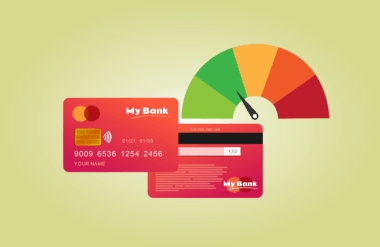
Another critical aspect of using credit cards for business expenses is the impact on your business credit score. Like personal scores, business credit scores can be affected by how you manage credit. Timely payments and low credit utilization are significant factors in maintaining a healthy business credit profile. Therefore, using your credit card judiciously is necessary. This means not maximizing your credit limit and regularly making payments before due dates. By doing so, you not only maintain a good credit score, but you also enhance your ability to secure loans for future business expansion. Additionally, creditors often consider your credit usage when determining your creditworthiness. If you find yourself shouldering debt, it may be beneficial to reevaluate your spending habits or seek alternative financing solutions. Seeking advice from financial consultants can also provide insights tailored to your business scenario. Ultimately, understanding how credit card usage impacts your credit profile is vital for long-term growth and maintaining solid financial health. Make informed decisions to ensure your credit work positively for your business.
Leveraging Rewards and Benefits
Many credit cards come with extensive rewards and benefits that can be highly advantageous for businesses. These include cashback offers, travel points, and purchase protection. Understanding how to maximize these rewards is essential for leveraging credit cards effectively. Evaluate your business’s spending patterns to identify which card rewards align with your most significant expenses. For instance, if travel is integral to your operations, look for cards that provide travel points, discounts on hotels, or complimentary travel insurance. Additionally, some cards offer sign-up bonuses that can provide significant value after meeting a required spending threshold. By taking full advantage of these rewards, your business can save money, travel affordably, or even earn money back. Remember, however, that the pursuit of rewards should never compromise your budgeting or financial discipline. While it is tempting to chase rewards, it should always be within the realm of your financial capabilities. Set limits for reward-driven spending and ensure that it aligns with your company’s overall financial strategy for long-term success.
It’s also important to consider the effect of credit card fraud and data security. Protecting your financial information should be top priority when conducting business purchases. Many credit cards today offer tools and features that enhance security. These can include fraud alerts, encryption technologies, and secure online shopping policies. Familiarize yourself with these features to ensure that you are fully utilizing the protective measures available. In addition to card security, make sure that your employees are well-versed in recognizing fraudulent activities. Educating them on identifying phishing attempts or suspicious transactions can prevent significant financial losses. It’s also advisable to review your account statements regularly for unauthorized transactions. Taking proactive steps to enhance data security not only protects your business finances but also fosters trust with clients and vendors. A reputation for financial responsibility can lead to an overall robust business image, enhancing your market position. In the digital age, vigilance against fraud is crucial for sustaining a healthy business environment and maintaining financial integrity.
Tax Implications of Using Credit Cards
Lastly, understanding the tax implications of using credit cards for business expenses is fundamental for financial management. Many businesses are unaware that using credit cards can complicate tax deductions if not managed properly. Expenses charged to business credit cards are generally tax-deductible, but you must keep proper documentation. This includes maintaining receipts and records for all transactions, as tax authorities require substantiation for deductions. Failure to provide adequate documentation can lead to penalties and lost deductions. It’s also necessary to educate your employees about the importance of record-keeping, as their purchases may also be applicable for deductions. Consult a tax professional to understand how to leverage credit card expenses in your tax strategy effectively. They can help advise on compliance issues and optimize your business’s tax returns. Be mindful of the limits on deductions and ensure that all reported expenses adhere strictly to IRS guidelines. With careful planning, credit card usage can improve cash flow while also enhancing your overall tax position, ensuring your business remains compliant and efficient in its financial dealings.
Utilizing credit cards for business expenses can significantly simplify financial management, provided that proper strategies are employed. From leveraging rewards to understanding the tax implications, there are numerous advantages to using credit cards wisely in business. However, it’s important to recognize potential pitfalls such as overspending, hidden fees, and the risk of fraud. By developing clear policies, educating employees, and using technological tools for tracking and documentation, businesses can maximize the benefits of credit cards while reducing risks. Continuous evaluations of the credit strategies in place will enhance financial operations and allow for better budgeting and forecasting. Building a positive credit history through responsible card usage can also have long-term benefits for any business, enhancing lending opportunities and financial stability. Businesses must stay informed about their credit usage practices and adapt them to meet changing needs and environments. By treating credit cards as a business tool rather than just a payment method, you enable your business to thrive. Ultimately, making informed and strategic decisions surrounding business credit cards can pave the way for greater financial success and sustainability.