
Developing a Trading Plan Based on Technical Analysis
Creating a successful trading plan requires a comprehensive understanding of technical analysis and its various principles. This plan serves as a strategic guide for traders and should encompass risk management, entries, exits, and position sizing. The initial stage involves defining personal trading goals, including the desired level of risk and potential returns. A key aspect of this is understanding your own risk tolerance, as it will affect your overall trading strategy. Once your objectives are clear, research specific technical indicators that align with your trading style. Indicators like moving averages, Relative Strength Index (RSI), and Bollinger Bands can offer substantial assistance in making informed decisions. Moreover, consider historical data to recognize patterns and trends. By analyzing this information, you will gain deeper insights into market behavior. Developing a solid foundation through research not only enhances your confidence but also promotes disciplined trading. Therefore, a detailed plan that reflects your insights into the market paves the way for improved trading performance and reduces emotional stress often associated with decision-making during trading.
After establishing your overall trading goals, it’s essential to determine specific rules for entering and exiting trades, forming a critical component of your trading plan. The entry criteria should be clearly defined, ensuring that you’ll only make trades based on certain signals generated from your chosen technical indicators. Additionally, your exit strategy should outline criteria for both taking profits and cutting losses. Discipline in adhering to these rules significantly increases the probability of achieving your trading objectives. Risk management is equally crucial and involves deciding how much capital you are willing to risk on each trade. A common suggestion is to keep risks to about 1-2% of your trading account size on any given trade. By establishing these parameters, you can safeguard your capital against major losses. Consistent tracking of your trades can provide valuable insights into your performance. Regularly reviewing your trades can highlight patterns in your decision-making process, allowing for continuous refinement of your trading strategies. This adaptability is essential in a trading environment that is dynamically changing due to various market factors.
Choosing Technical Indicators
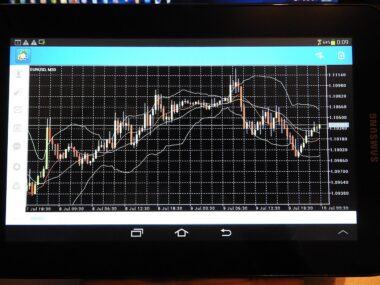
Technical indicators can significantly aid in analyzing market trends and providing insights into potential trade entries and exits. Identifying which indicators suit your trading style is vital. Beginners may prefer simpler indicators such as moving averages or momentum indicators. Moving averages can help smooth out price action and reveal the underlying trend direction, while momentum indicators measure the strength of price movements. Furthermore, advanced traders might incorporate tools like Fibonacci retracements and candlestick patterns to identify key support and resistance levels. Using these technical indicators in conjunction with price action analysis can enhance decision-making by providing visual cues of market behavior. Creating a personalized set of indicators is crucial. This involves testing combinations of these tools to gauge their effectiveness in forecasting price movements accurately. Regular review of their performance should also be part of your process. Keeping your indicators updated with current market conditions is essential, ensuring relevancy. Ultimately, integrating studies into your routine trading practice fosters greater efficiency in decision-making, enhancing overall market insights closely aligned with your strategy.
Besides employing technical indicators, it is essential to develop a disciplined approach to trade execution. This can be achieved by utilizing limit orders, which allow you to enter and exit positions under specific conditions laid out in your plan. Leveraging limit orders helps traders maintain control and avoid emotional reactions based on market fluctuations. In addition, utilizing stop-loss orders to manage risk can significantly protect your capital. Position sizing becomes a vital component of risk management, as it dictates how much of your account balance will be allocated for each trade. Tools such as the Kelly Criterion can assist in determining optimal position sizing based on your winning strike rate and average profit-to-loss ratio. Moreover, documenting every trade, including your reasoning for entry and exit points, serves as a practical tracking method. This ongoing record keeps you accountable and allows for easier analysis over time. This practice can uncover patterns in your behavior—good and bad—fostering more informed decisions in future market engagements. A reflective approach promotes continuous professional growth in your trading activities.
Setting Realistic Expectations
Setting realistic expectations for performance and returns is crucial when developing your trading plan. The financial markets are inherently volatile and can present both opportunities and risks. Having a clear understanding of what you can realistically achieve prevents frustration and burnout. Traders often overestimate their potential profits, leading to reckless decisions about position sizes and risk. A more prudent approach is to base your expectations on historical performance while accounting for potential challenges that market fluctuations can introduce. Expecting consistent high returns does not reflect the complex nature of trading. Instead, focusing on incremental gains while continuously assessing personal growth as a trader can be far more appealing. A realistic goal may include achieving steady monthly returns or improving hit rates, considering the varying conditions of the market. Accepting losses as part of the process is essential and can improve your trading psychology, aligning with long-term success. Regular review of financial goals and adjusting them based on performance will encourage a healthy mindset towards trading, aiding in sustainable, long-term participation in financial markets.
Effective time management plays a crucial role in your trading plan, allowing you to focus on honing your skills without feeling overwhelmed. Determine the time commitment you can dedicate to analyzing the market and executing trades. Understanding market hours and time zones for the financial markets you’re interested in trading will help you remain informed about active trading sessions. Additionally, allocate time for backtesting strategies and fine-tuning your trading plan. Regularly refining your methods will enhance your adaptability to market trends. Develop a routine that balances both study and trading activities, fostering an environment conducive to learning. Having a structured schedule can reduce stress and emotional fatigue while participating in market conditions. Apart from trading hours, set aside moments for journaling and reflection on your trading experiences. This practice allows you to analyze various components of earlier trades, facilitating valuable insights into performance and growing knowledge. In the long run, optimizing your time investment will lead to increased confidence, improved decision-making, and enjoyment of the trading process. Essentially, time management is an investment that pays dividends in overall performance.
Continuous Learning and Adaptation
The financial markets are ever-evolving, so continuous learning and adaptation play vital roles in developing a successful trading plan. Keeping abreast of market news and trends helps traders understand the factors influencing price movements in real-time. Regularly reviewing both macroeconomic indicators and geopolitical events can refine your analysis and enhance your trading decisions. Furthermore, investing time into reading relevant trading literature or attending webinars on technical analysis builds knowledge, allowing you to integrate new techniques successfully. Participate in trading communities and forums to engage with other traders for shared insights, encouraging feedback on methods and trade performance. This collaborative approach can guide learning and improve your skills while navigating the complexities of the market. Staying open to adapting your strategies to enhance performance is equally important. Analyze the changing market conditions and be willing to tweak or discard methods that are underperforming. By adopting an adaptable mindset, you will better face challenges and capitalize on opportunities, ultimately supporting long-term trading success. Continuous improvement is the hallmark of a dedicated and successful trader in an ever-changing financial landscape.
Creating a well-rounded trading plan based on technical analysis involves scrutinizing various elements that contribute to overall success. Adhering to a strategic approach by defining goals, selecting indicators, and implementing strict risk management can significantly enhance trading proficiency. Establishing clear entry and exit rules will provide confident guidance during market fluctuations, enabling disciplined decision-making. Furthermore, embracing the concept of realistic expectations helps cultivate a proper trading mindset, allowing for a healthy balance between risk and reward. Time management ensures consistent progress and learning, offering the opportunity to refine strategies constantly. Finally, staying informed and adaptable ensures that you remain attuned to the evolving nature of the markets. As you develop your trading plan, remember that the journey is as important as the destination. Engaging with fellow traders and seeking feedback can also provide diverse perspectives, ultimately benefiting your growth as a trader. Continuous dedication to learning and improving will lay a robust foundation for your trading career. In summary, integrating all these components will lead to a focused, effective, and resilient trading plan, steering you toward sustained success in financial markets.