
The Role of Emotional Intelligence in Leadership
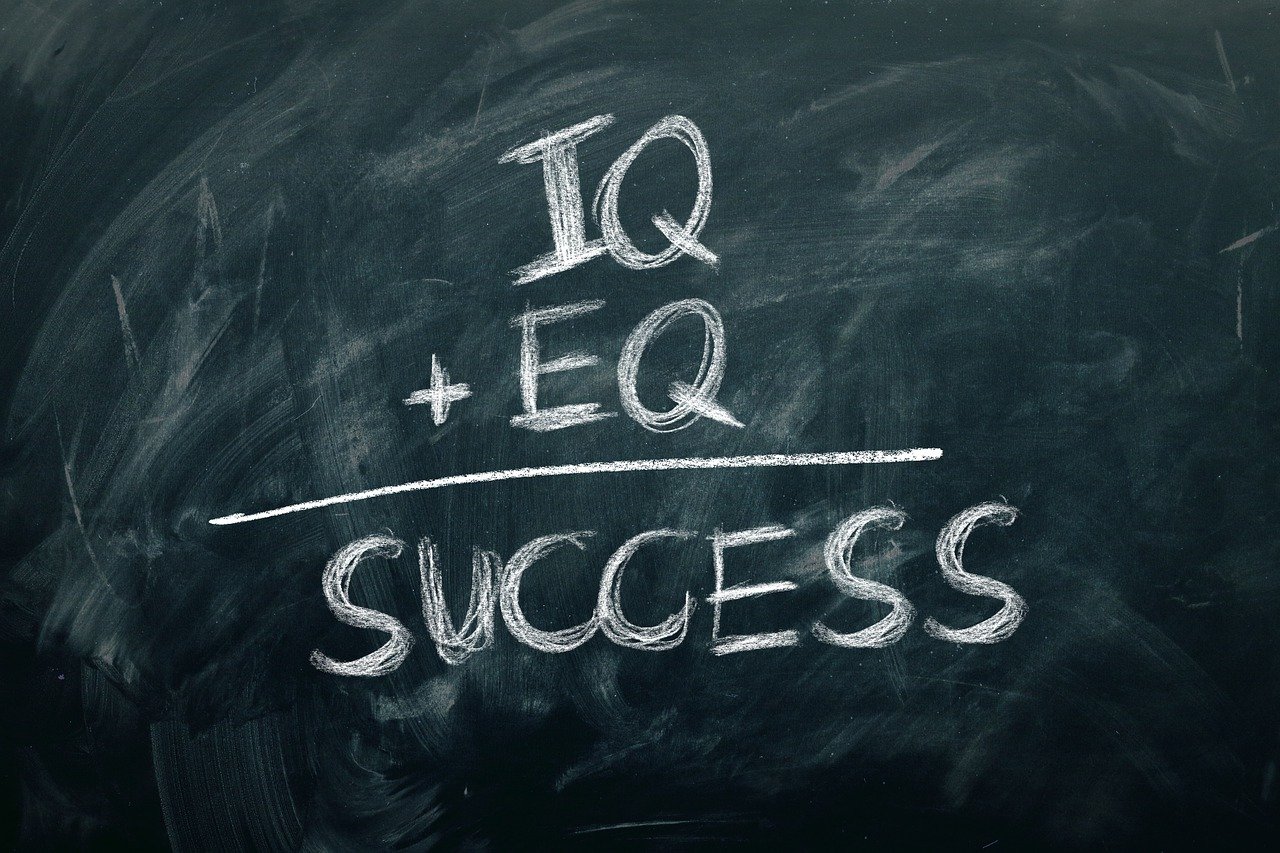
Emotional Intelligence (EI) is an essential component of effective leadership in today’s business environment. Leaders with high EI can manage their own emotions and understand the emotions of their team members. This capability enables them to make better decisions while also fostering a more productive workplace. By developing EI, leaders can improve interpersonal relationships and resolve conflicts more effectively. Additionally, EI allows leaders to promote a culture of empathy and compassion, which leads to higher employee morale and engagement. Strong leaders recognize the importance of other people’s emotions, adapting their leadership style to meet diverse team needs. They inspire and motivate teams by creating a supportive environment, encouraging open communication. As a result, teams feel valued and are more likely to contribute creatively. Moreover, EI equips leaders to handle stress and pressure, which are common in business contexts. Therefore, it is imperative to cultivate EI through self-awareness, self-regulation, social skills, empathy, and motivation. The combination of these factors helps foster a resilient and dynamic workplace, enabling organizations to achieve their goals and retain their top talent. Lastly, successful leaders leverage their emotional intelligence to navigate challenges effectively.
Understanding Emotional Intelligence Components
Understanding the components of Emotional Intelligence is crucial for leaders who aspire to grow and develop their leadership skills. EI is typically divided into five key areas: self-awareness, self-regulation, motivation, empathy, and social skills. Self-awareness involves recognizing one’s own emotions and how they affect thoughts and behavior; this is foundational for effective leadership. Self-regulation allows leaders to control their emotions and impulses, enabling them to think rationally. Motivation drives leaders to achieve goals for reasons beyond just money, fostering inspiration across teams. Empathy involves understanding and sharing feelings with others, which is essential for building strong relationships. Lastly, social skills refer to the ability to manage relationships and build networks. Highly effective leaders use these components to enhance communication, collaboration, and conflict resolution in teams. They can recognize the emotional climate of the organization and adapt accordingly, resulting in a harmonious workplace atmosphere. When leaders exhibit high EI, it positively influences their teams, as employees feel understood and motivated to perform their best. Consequently, leaders with strong emotional intelligence can create an empowered workforce, an essential factor in achieving sustained organizational success.
The importance of emotional intelligence in leadership cannot be overstated. Organizations today are increasingly recognizing the positive impact that emotionally intelligent leaders can have on workplace culture and productivity. By embracing EI principles, leaders foster an environment that encourages collaboration and reduces anxiety. Teams led by such leaders are more likely to feel safe in expressing their ideas or concerns. This kind of transparency leads to innovation and improvement, making companies more competitive in the market. Additionally, emotionally intelligent leaders are more adept at handling performance appraisals and constructive feedback. They can provide clear and constructive input without diminishing morale. This tact ensures that employees remain motivated to improve. Research shows that companies with leaders exhibiting high emotional intelligence report significantly lower employee turnover rates. This translates to cost savings on hiring and training new staff while ensuring a more stable workforce. Moreover, nurturing an emotionally intelligent leadership style attracts top talent, as job seekers increasingly prioritize workplace wellbeing. Therefore, fostering emotional intelligence should be part of leadership training and development programs to fully harness its potential for enhancing overall organizational performance.
Building Emotional Intelligence in Leadership
Building emotional intelligence in leadership requires focused effort and commitment to personal development. One effective method for improving EI is through self-reflection, which helps leaders identify their emotional triggers and responses. Keeping a journal can facilitate this process, allowing leaders to track their emotional patterns over time. Seeking feedback from peers, mentors, or team members also provides invaluable insights into interpersonal dynamics and areas needing improvement. Furthermore, participating in workshops or courses dedicated to emotional intelligence can enhance skills and knowledge in this field. These educational opportunities often include role-playing exercises that simulate emotional situations leaders may face. Such scenarios allow leaders to practice their responses and learn to remain calm under pressure. Additionally, mindfulness practices, such as meditation or deep-breathing exercises, can strengthen self-regulation and awareness. Moreover, establishing supportive networks, both personally and professionally, encourages sharing experiences and advice for navigating emotional challenges. As leaders commit to enhancing their emotional intelligence over time, they will likely notice improvements in communication, teamwork, and overall effectiveness. By actively pursuing this level of growth, leaders can create a ripple effect throughout their teams, fostering a thriving organizational culture.
Leaders with high emotional intelligence are often viewed as more approachable and authentic. Their ability to connect with team members on an emotional level fosters trust and respect. When employees trust their leaders, they are more likely to be engaged and committed to their work. This relationship can also significantly impact employee satisfaction and overall organizational loyalty. Consequently, emotionally intelligent leaders can build strong teams, contributing to a collaborative and innovative work culture. In contrast, leaders lacking emotional intelligence may struggle to develop meaningful relationships, which can lead to misunderstandings and resentment within teams. As a result, the potential for conflict increases, complicating the achievement of business objectives. Moreover, emotionally intelligent leaders promote diversity and inclusion in their teams by recognizing and valuing differing perspectives. They encourage open dialogue, ensuring that all voices are heard and respected. Such inclusion contributes to overall team effectiveness, as diverse teams generate creative solutions and ideas. Additionally, this leadership approach aligns with the modern workforce’s values, attracting a more diverse talent pool. Ultimately, fostering emotional intelligence in leadership is vital in developing strong, cohesive teams that can achieve remarkable results.
Measuring Emotional Intelligence in Leaders
Measuring emotional intelligence in leaders involves utilizing specific assessment tools and methodologies designed to evaluate various EI components. One of the most common methods is through self-report surveys, where leaders assess their emotional competencies. However, these may be influenced by personal biases. To mitigate this issue, 360-degree feedback assessments can provide a more comprehensive view by collecting input from peers, direct reports, and supervisors. This method encourages an understanding of how leaders are perceived across the organizational spectrum. Furthermore, emotional intelligence assessments, such as the Emotional Quotient Inventory (EQ-i), can gauge various aspects of EI through standardized testing. These tools typically measure factors like interpersonal skills, adaptability, and stress management, contributing to a clearer picture of a leader’s EI. Organizations must ensure that measurements are conducted in a supportive and non-threatening environment to encourage honest feedback. It is essential to follow up assessments with development plans tailored to improve specific areas of emotional intelligence. Regularly re-evaluating EI through various methods can track progress, ensuring that leaders continuously develop their emotional competencies, leading to improved overall leadership effectiveness.
In conclusion, emotional intelligence plays a pivotal role in effective leadership. The ability to understand and manage one’s emotions significantly impacts interactions with team members and overall organizational success. Leaders harnessing the power of emotional intelligence create healthy workplace dynamics, resulting in high employee engagement and retention. By investing in their own emotional development, leaders inspire their teams to also contribute positively to the organization’s culture. Organizations that prioritize emotional intelligence in their leadership model show enhanced performance metrics, lower turnover rates, and improved employee satisfaction. Business leaders must commit to continual growth in emotional intelligence by embracing reflective practices and seeking ongoing feedback. They must actively foster an environment that encourages dialogue and collaboration, ensuring all team members feel valued and heard. As workplaces continue to evolve, the emphasis on emotionally intelligent leadership will only grow stronger. By focusing on developing these critical skills, leaders position themselves and their organizations for long-term success in an increasingly competitive landscape. In doing so, they not only enhance their leadership journey but also contribute to creating a more compassionate and understanding workplace for everyone.