
Understanding Credit Score Ranges and What They Mean
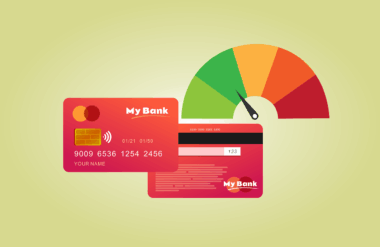
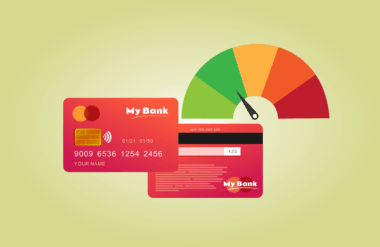
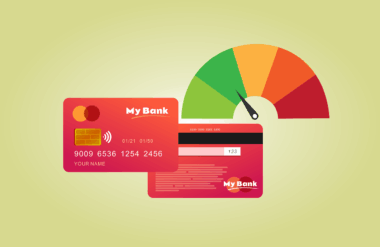
A credit score is a three-digit number that represents your creditworthiness based on your credit report. It is a critical financial metric used by lenders to assess the risk of lending money or services to individuals. Credit scores typically range from 300 to 850, with higher scores indicating better credit. Understanding the different ranges of credit scores is essential for managing personal finances effectively. Credit scores are categorized into several essential ranges: Poor (300-579), Fair (580-669), Good (670-739), Very Good (740-799), and Excellent (800-850). Each range may impact your ability to secure loans and credit cards, as well as the interest rates you may receive. For instance, a score in the Excellent range can qualify you for loans with lower interest rates, whereas scores in the Poor range might lead to loan denials or higher rates. It’s crucial to regularly check your credit report to ensure the accuracy of the information and address any discrepancies that may affect your score.
The Importance of Your Credit Score
Your credit score plays a pivotal role in your financial health by influencing your loan approval chances. Lenders evaluate applicants based on their credit scores, which reflect their borrowing history. A higher credit score demonstrates responsible credit behavior, such as making payments on time and managing debt levels responsibly. Conversely, a low credit score often results from missed payments or excessive debt and leads to unfavorable lending terms. Maintaining a good credit score opens doors to various financial opportunities, including lower interest rates and better loan conditions. Many employers also consider credit scores during the hiring process, particularly for positions that involve financial responsibilities. Regularly reviewing your credit report allows you to spot potential identity theft or reporting errors, which could negatively affect your score. Knowing your credit score range helps you to make informed decisions regarding your finances, such as planning to apply for a loan. To build a healthy credit history, it’s advisable to use credit responsibly and pay down debts in a timely manner. Aim for a score above 700 to enhance your ability to secure favorable lending options.
To improve your credit score, understanding the factors that impact it is essential. The primary components of your credit score include payment history, credit utilization, length of credit history, types of credit used, and new credit inquiries. Payment history, which accounts for 35% of your score, is the most influential factor. Consistently paying bills on time demonstrates your reliability to creditors. Credit utilization, making up 30% of your score, refers to the ratio of current credit card balances to the total available credit. Maintaining a low utilization rate typically improves your score. Length of credit history, contributing 15% to the score, indicates the duration your credit accounts have been open. A longer history shows stability and responsibility. Types of credit used account for 10% of your score and include revolving accounts, like credit cards, and installment loans, such as mortgages. Finally, new credit inquiries, which make up the remaining 10%, occur when you apply for new credit. Be mindful that while seeking new credit is important, too many inquiries in a short time span can negatively affect your score. Managing these components effectively can improve and maintain your credit score.
How Credit Scores Affect Personal Loans
When applying for personal loans, your credit score holds significant weight in determining the outcome. Lenders typically have minimum credit score requirements, and those with higher scores are often offered lower interest rates and better conditions. A poor credit score can result in higher interest rates, or even denial of your application altogether. This is because lenders perceive individuals with lower scores as higher risk, which translates to greater potential for default. Furthermore, your credit score not only affects approval chances but also influences loan amounts and terms. In general, borrowers with excellent credit may have access to larger sums of money and flexible repayment options, while those with poor credit may be limited to lesser amounts with stricter conditions. This makes it imperative to foster good credit habits, ensuring timely payments and managing debt levels before applying for personal loans. Ultimately, maintaining a strong credit score can save you thousands of dollars over the life of the loan. If necessary, seek financial counseling or use credit repair services to address issues that damage your score.
Many people frequently wonder how to improve their credit score after experiencing challenges. The first step is to review your credit report, which will help identify any errors or discrepancies that may be impacting your score. You can obtain a free copy of your credit report from annualcreditreport.com and should check for inaccuracies on a regular basis. Disputing any errors with the credit bureau can often lead to better scores if resolved. Secondly, paying down existing debts and making timely payments are essential strategies. Consider setting up automatic payments to ensure bills are always paid on time. Additionally, keeping older credit accounts open can help improve the length of credit history, which raises your score. Another effective method is to limit new credit inquiries; applying for too many loans in a short period can negatively affect your score. Utilizing credit responsibly, maintaining a low credit utilization ratio, and having a diverse mix of credit accounts can also help enhance your overall credit status. Lastly, seek professional assistance if necessary to effectively navigate the repair process and improve your credit score.
Monitoring Your Credit Score Regularly
Regular monitoring of your credit score is a vital part of maintaining your financial health. This practice allows you to understand any changes in your credit score over time, which can directly affect your financial opportunities. By keeping an eye on your score, you can take swift action to address any factors contributing to a decline, such as unpaid debts or late payments. There are various free tools available online that provide regular updates and insights into your credit score. These tools often come with detailed explanations of how different aspects of your financial behavior impact your score. Staying informed empowers you to make educational financial decisions and maintain good credit health. Regularly evaluating your credit activity helps build a personal finance strategy that ensures your score remains healthy. Many experts recommend checking your score at least monthly, especially if you’re planning significant financial changes. Additionally, being aware of your credit limits allows you to maintain a healthy credit utilization ratio. With the proper mindset, monitoring your credit score becomes an opportunity to grow and maintain your overall financial situation.
In conclusion, understanding credit score ranges is crucial for anyone looking to manage personal loans effectively. Each score range plays a specific role in determining loan eligibility and terms. For instance, those in the Excellent score category can benefit from a wealth of opportunities, while those in the Moderate to Poor ranges may face challenges in obtaining loans. By taking proactive steps to maintain a healthy credit score, including timely payments and responsible credit usage, individuals can safeguard their financial future. Remember that your credit score is a dynamic number; thus, it requires ongoing attention in managing your financial responsibilities. It is crucial to familiarize yourself with your particular credit score range, as this knowledge can guide your financial decisions. Moreover, educating yourself about financial products available based on your score can help you choose the best offers with favorable terms. Ultimately, developing good credit habits now will pay dividends in the long run, opening doors to better rates and loan options. For anyone eager to understand more about credit scores and loans, numerous resources and support systems are available to provide assistance.
Before applying for a personal loan, understanding your credit and how it may affect your application is crucial. Credit scores affect not just loan eligibility but influence the types of loans available to you. Each lender may have different criteria and minimum score requirements. Familiarize yourself with these differences to find a suitable loan. Additionally, if your current credit score places you in a lower tier, consider taking time to build and improve it before pursuing large loans. Various strategies, such as reducing existing debt, increasing income, and correcting inaccuracies in your credit report, can produce positive changes. Emergency situations may compel individuals to seek loans even with less-than-ideal credit. In such cases, consider approaching lenders who specialize in high-risk borrowers, also known as bad credit loans. Understand, however, that interest rates and loan terms may be less favorable. Therefore, a comprehensive evaluation of your current financial situation and loan requirements is critical. By being informed, individuals can enhance their chances of securing the necessary financing while working towards improving their overall financial standing.