
Trends in Foreign Exchange Markets: Opportunities and Risks
The foreign exchange market, or Forex, is one of the largest financial markets worldwide, with a daily trading volume that surpasses $6 trillion. This colossal amount reflects not just the sheer scale of trading activities but also the dynamism of exchange rates influenced by various factors such as economic indicators, geopolitical events, and shifts in investor sentiment. Understanding these elements is essential for traders who aim to seize opportunities while efficiently managing risks. Some of the key influencers include interest rates of different currencies, national economic performance, inflation rates, and even central bank policies. Traders often leverage technical analysis and utilize charts to identify trends, potential patterns, and ideal entry and exit points. While Forex offers immense opportunities, it also carries certain risks like market volatility, unexpected economic changes, and illiquidity in specific currency pairs. Comprehensive knowledge and strategic planning are paramount for achieving success in this realm. By analyzing both macroeconomic indicators and market sentiment, investors can position themselves advantageously in foreign exchange markets, thereby enhancing their prospects of profitability in this fascinating landscape.
Understanding Currency Pairs
In the Forex market, currencies are traded in pairs, indicating the value of one currency relative to another. The primary currency pair consists of a base currency and a quote currency. The base currency represents the currency being bought, while the quote currency indicates how much of the quote currency is necessary to purchase one unit of the base currency. Understanding currency pairs is crucial for evaluating potential trades and determining exchange rate movements. Major currency pairs like EUR/USD, USD/JPY, and GBP/USD account for a significant portion of trading activity and exhibit particular behaviors influenced by economic conditions in their respective countries. Traders often analyze specific trends in these pairs to glean insights into market direction. For instance, a strong economic report in the Eurozone can prompt traders to expect an increase in the EUR/USD pair. Additionally, cross currency pairs, which do not involve the USD, serve as attractive alternatives for traders looking to diversify portfolios and capitalize on currency fluctuations. Grasping these concepts allows traders to adopt targeted strategies tailored to specific currency dynamics.
Market trends in foreign exchange encompass predictable patterns driven by economic fundamentals, technical signals, and evolving investor sentiment. Traders regularly examine these trends to formulate strategies aligned with anticipated price movement. Various indicators provide critical insights, including moving averages, resistance and support levels, and relative strength indices. Oscillators such as the MACD (Moving Average Convergence Divergence) and RSI (Relative Strength Index) offer valuable clues about potential reversals or continuations in price trends. Additionally, economic calendars keep traders informed of significant announcements and releases that could significantly impact currency values, from employment reports to GDP figures. As these trends develop, traders must remain vigilant for signs that challenge established patterns. Events like political unrest, natural disasters, or regulatory changes can contribute to sudden shifts in trading dynamics. Furthermore, sectors like cryptocurrency are increasingly influencing Forex as traders respond to speculative interest in alternative assets. This evolving landscape demands adaptability and continuous learning, as understanding market sentiment becomes vital for accurately gauging prevailing trends in the foreign exchange market.
Evaluating Risks in Forex Trading
While the potential for profit in the foreign exchange markets is substantial, it is equally important to acknowledge and evaluate the various risks involved. Leverage is a double-edged sword, allowing traders to amplify their returns but also magnifying their losses. Therefore, prudent risk management strategies such as setting stop-loss orders, prudent capital allocation, and maintaining a balanced risk/reward ratio become vital for sustainable trading practices. Moreover, the Forex market’s unpredictable nature can catch even seasoned traders off guard, emphasizing the necessity for ongoing education and strategy refinement. Economic events like central bank meetings or inflation data releases can dramatically affect currency valuations, creating opportunities yet also increasing potential losses. A sound risk management plan also involves diversifying trading portfolios to mitigate losses across various currency pairs. Traders should develop a thorough understanding of their own psychological tendencies, preparing for emotional challenges when facing losses or unexpected market movements. Ultimately, being aware of market conditions and maintaining composure during periods of volatility will aid in successfully navigating the intricate world of foreign exchange trading.
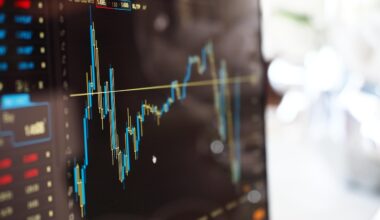
Technical analysis remains central to successful trading strategies in Forex, enabling traders to forecast future price movements based on historical data. By analyzing charts and patterns, traders can identify trends and make educated predictions regarding future price action. Common chart patterns such as ‘head and shoulders,’ ‘double tops,’ and ‘triangles’ provide valuable visual cues that facilitate strategic decision-making. Furthermore, traders employ various indicators such as Bollinger Bands, Fibonacci retracements, and moving averages to add layers of credibility to their analyses. However, it is essential to blend technical analysis with sound fundamental analysis, as economic data releases can create volatility that disrupts technical predictions. This holistic approach not only enhances market understanding but also helps in refining entry and exit points while minimizing risks. Some traders utilize automated trading systems that analyze data and execute trades automatically based on predefined criteria. However, while automation offers efficiency, it’s critical for traders to remain engaged with the market, assessing conditions continually to adapt strategies as necessary for real-world dynamics. This combination of art and science in trading creates a comprehensive approach for succeeding in Forex.
Behavioral finance plays an influential role in Forex trading, illuminating how psychology affects traders’ decisions and market movements. Understanding investor psychology helps traders recognize patterns of behavior driven by emotions such as greed, fear, and panic. The impact of behavioral biases is significant, as it may lead to overtrading, premature exits, or holding losing positions longer than necessary. Market conditions can also encourage herd mentality, where traders follow trends without thorough analysis, often resulting in adverse outcomes. Strategies rooted in discipline and emotional regulation can mitigate these pitfalls, providing a structured framework for trading decisions. Traders can also benefit from journaling their trades to identify psychological strengths and weaknesses, fostering self-awareness and continuous improvement. Furthermore, incorporating mindfulness techniques can aid traders in maintaining focus and avoiding impulsive actions. A disciplined approach ensures that decisions are systematically made based on analysis rather than fleeting emotions. By integrating an understanding of behavioral finance into their strategies, traders can develop resilience and enhance their ability to navigate the complexities of the foreign exchange markets effectively.
Conclusion and Future Outlook
In conclusion, the foreign exchange markets present both opportunities and risks, making it imperative for traders to equip themselves with knowledge and practical skills. Analyzing trends, understanding currency pairs, and employing effective risk management strategies constitute the foundation for successfully navigating this complex landscape. As the Forex market continues to evolve, factors such as technological advancements, geopolitical events, and changing economic conditions will influence trading dynamics. Additionally, integrating new trading technologies such as artificial intelligence and algorithmic trading may further change the trading landscape. Traders need to remain adaptable, keeping an eye on emerging trends while refining their strategies to align with market evolution. Continuous education and staying updated with market changes are essential to successful trading. Embracing a holistic approach that combines technical, fundamental, and behavioral insights will likely foster resilience in traders and enhance their chances of achieving profitability. As opportunities grow amid risks, informed and disciplined traders can harness the potential of the foreign exchange markets to their advantage, making astute decisions in a rapidly changing environment.
The significance of foreign exchange markets cannot be understated, as they offer vast opportunities for economic growth, trading, and investment. Global interconnectedness fosters stability, yet it introduces volatility due to fluctuating economic indicators and geopolitical developments. Traders and investors alike can capitalize on these trends to optimize their portfolios, seeking strategies that mitigate risks while maximizing returns. As international market dynamics shift and evolve, especially given the rise of digital currencies and global trade, those engaged in forex must maintain vigilance. Understanding both the micro and macroeconomic influences driving currency movements is vital for anticipating potential shifts in market sentiment. Investors are advised to leverage resources, such as analytical tools and economic forecasts, to cultivate informed perspectives. Furthermore, keeping abreast of technological advancements in trading platforms can enhance execution efficiency and data analysis. Nonetheless, beginners should remain cautious and seek guidance when navigating the complexities of the forex landscape. A dedicated approach combining rigorous study and practical trading will pave the way for long-term success in the ever-changing foreign exchange markets.