
Risk Assessment Models for Project Planning in Business
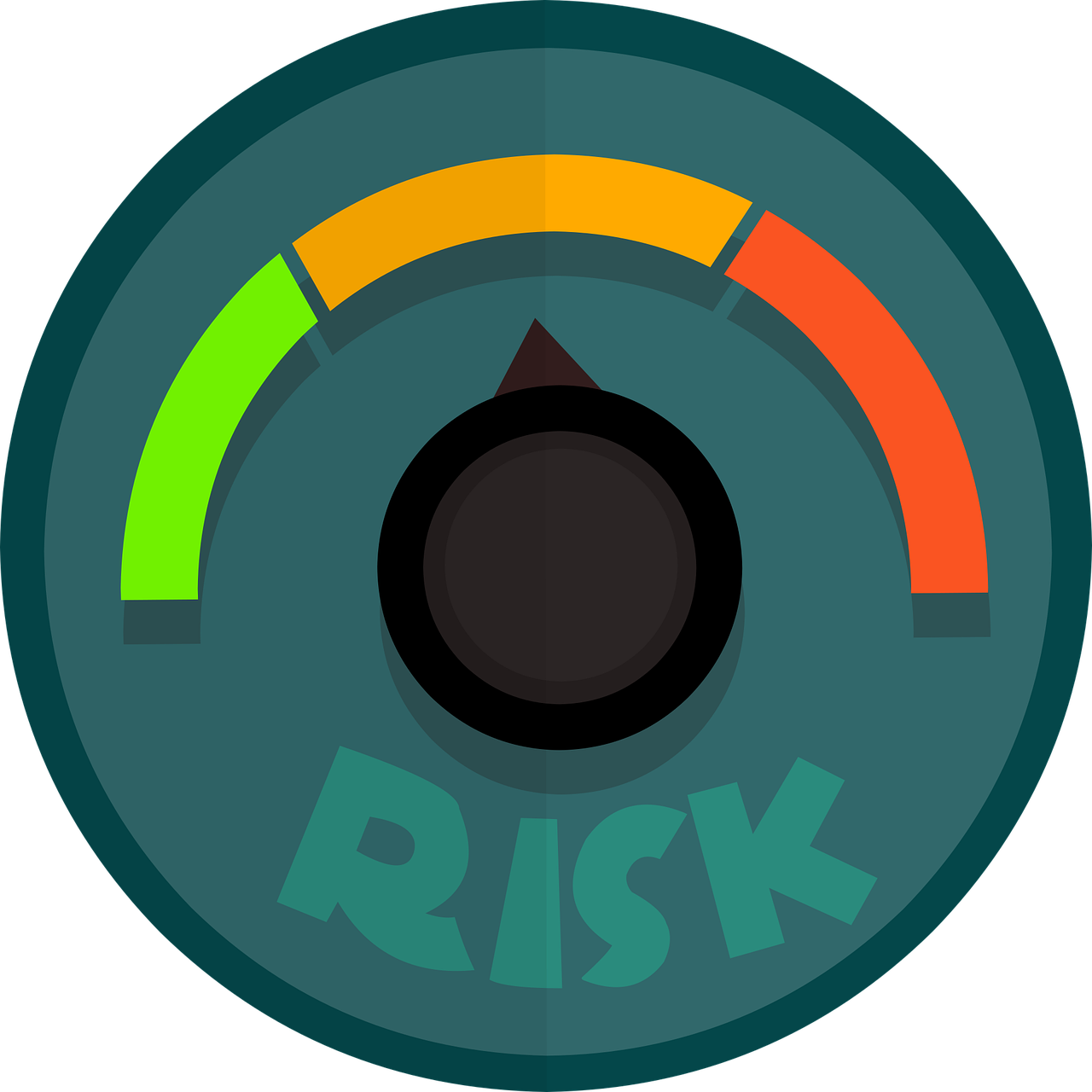
Risk assessment is a critical component of project planning in business, ensuring that potential issues are identified early. There are several models that businesses can utilize to perform effective risk assessments. These models guide teams to classify risks into categories, allowing for prioritized responses. Some commonly used models include the Risk Matrix, Failure Mode and Effects Analysis (FMEA), and Monte Carlo Simulation. Each of these models offers unique benefits, enabling businesses to assess various risk factors comprehensively. By adopting a structured approach to risk assessment, organizations enhance their ability to make informed decisions and allocate resources efficiently. For example, businesses may assign likelihood and severity ratings to risks within a Risk Matrix, facilitating clearer prioritization. Furthermore, integrating these models into existing project management frameworks can improve overall project outcomes. In the rapidly changing business environment, proactive risk assessment is more essential than ever. Stakeholders should collaborate closely during the risk assessment process to ensure a comprehensive view of potential issues. Continued evaluation and adjustment of these models are also necessary as projects evolve.
Benefits of Risk Assessment Models
The implementation of robust risk assessment models offers numerous benefits in project planning. Firstly, they promote standardization across project teams, fostering a consistent approach. Secondly, these models enable the identification of potential risks before they escalate into significant issues. Early identification allows teams to proactively devise mitigation strategies, thus protecting project timelines and budgets. Moreover, these models facilitate enhanced communication among team members and stakeholders. When risks are clearly documented, teams can align their efforts and responses effectively. Another key benefit is the ability to prioritize resource allocation. By understanding which risks pose the most significant threats, businesses can concentrate their resources where they are most needed, optimizing their project outcomes. Risk assessment models also promote accountability within teams, encouraging members to take responsibility for their assigned risks. Additionally, continual updates and revisits of these models bolster resilience, allowing businesses to adapt to changing variables. Ultimately, adopting well-structured risk assessment models signifies a proactive stance, reducing uncertainties associated with project planning in the dynamic landscape of contemporary business.
In understanding risk assessment models, it is essential to consider the fundamental components. Every model typically consists of risk identification, risk analysis, and risk response planning. During risk identification, teams brainstorm possible risks, leveraging historical data and team insights. Once identified, each risk undergoes an analysis phase, evaluating its probability and impact on project objectives. This analytic process utilizes qualitative and quantitative methods, ensuring a well-rounded understanding of risk dynamics. Following the analysis, teams must develop appropriate response strategies. These can include risk avoidance, mitigation, transfer, or acceptance. Effective response strategies conserve resources and minimize disruption. Furthermore, consistent monitoring of risks throughout the project lifecycle is crucial, as new risks may emerge during execution. Utilizing a dynamic risk assessment model allows for continual revisions, aligning with project changes. Moreover, engaging stakeholders during this stage ensures broader insights and collaboration. Comprehensive training on these models can enhance a project manager’s ability to effectively assess and address potential risks. Overall, the integration of these components benefits organizations by decreasing uncertainty and promoting efficiency in project execution.
Challenges in Risk Assessment
Implementing risk assessment models is beneficial but not without challenges. One common obstacle is the lack of comprehensive data for risk analysis, leading to incomplete evaluations. Inadequate data can result in underestimating risks, creating vulnerabilities in project planning. Additionally, team members may struggle with adhering to risk assessment procedures due to time constraints or lack of understanding. This inconsistency can threaten the efficacy of risk assessments and ultimately compromise project outcomes. Furthermore, organizational culture plays a significant role in risk management. A culture that stigmatizes failure discourages open discussion of potential risks, inhibiting a proactive approach to risk assessments. Additionally, cross-divisional communication issues can delay risk identification and response measures. Teams must collaborate effectively to ensure risks are known and addressed. Leadership’s support is also crucial, as it influences the implementation of risk assessments across varying project teams. To combat these challenges, organizations should conduct regular training and foster a culture that embraces risk discussions. Encouraging collaboration and using technology can also streamline the risk assessment process, ultimately enhancing project resilience against uncertainties.
Technology has significantly transformed risk assessment in project planning. Innovative software tools now streamline risk management processes, offering real-time data analysis and reporting. These tools automate risk tracking, allowing teams to monitor risks continuously throughout a project’s lifecycle. By leveraging technology, teams can gather more reliable data, enhancing their risk evaluations. Moreover, various platforms incorporate advanced algorithms to predict potential risks based on historical trends. Integrating these technological solutions provides teams with a competitive advantage, enabling proactive risk identification. Additionally, risk assessment dashboards present a visual representation of risks, making communication straightforward for stakeholders. This visual format aids in prioritizing risks, fostering informed decision-making. Furthermore, cloud-based platforms provide easy access to risk data. This accessibility enhances collaboration, allowing teams from different locations to contribute effectively. The role of artificial intelligence in risk assessment is also substantial, continually learning to improve predictive accuracy. However, while technology offers several advantages, organizations must ensure that human insight remains integral in the risk assessment process. Balancing technology with skilled analysts is essential for navigating the complexities of risk in project planning.
Conclusion and Future Directions
In conclusion, risk assessment models play a pivotal role in effective project planning. By employing these models, organizations can ensure a structured approach to identifying and managing potential risks. The benefits, ranging from enhanced communication to resource prioritization, underscore their value in achieving project goals. However, challenges such as data availability and cultural aspects must be addressed to optimize their effectiveness. As technology continues to evolve, integrating advanced tools into risk assessment practices will undoubtedly enhance efficiency and accuracy. Future directions in risk assessment may involve the increasing use of artificial intelligence and machine learning, predicting risks with greater precision. Additionally, organizations should prioritize fostering a collaborative culture, allowing for sustained engagement among team members. Embracing flexibility and adaptation in model application is crucial, as project environments continue to change. Furthermore, ongoing training and development for project managers can equip teams with the necessary skills to effectively utilize risk assessment models. With a proactive approach, organizations are better positioned for success in navigating risks associated with project planning in business.
Overall, the integration of robust risk assessment models in project planning represents a vital step toward managing potential uncertainties. Organizations that commit to understanding and employing these models enhance their ability to predict and respond to challenges. Therefore, building a risk-conscious culture and continuous evaluation of risk management processes will ultimately reinforce project success. As the business landscape evolves, embracing innovative risk assessment strategies will ensure that organizations remain resilient and responsive to change. Recognizing that risks can be both challenges and opportunities is essential within this framework. By leveraging risk assessment models effectively, project teams can navigate complex environments and achieve excellent results.
This article highlights the importance of risk assessment models in project planning, showcasing how various models can enhance management effectiveness. Understanding the challenges and opportunities is essential for organizations aiming for successful project execution. As businesses progress, the integration of advanced technologies into risk management processes will continue to shape the future of project planning.