
Leveraging AI in Business Analytics Dashboards
In today’s data-driven world, business analytics has become a crucial aspect of organizational success. Dashboards and reporting tools serve as the bridge between raw data and stakeholder insight. By integrating AI into these dashboards, organizations unlock the potential for real-time decision-making. Artificial intelligence models can analyze massive datasets far more quickly than human analysts, enabling companies to stay competitive. One significant advantage of leveraging AI is the ability to automatically detect patterns in data that might go unnoticed manually. These insights help in forecasting trends and provide actionable recommendations. Furthermore, machine learning algorithms can adapt over time, improving their accuracy as they process more data. When teams embrace AI-powered dashboards, they streamline workflows, thereby increasing productivity. Users benefit from customizable dashboards that cater to specific needs, allowing them to focus on relevant information. This efficiency not only enhances user experience but also leads to a quicker understanding of data. For these reasons, organizations that invest in AI for business analytics dashboards are likely to enhance their strategic capabilities, transforming data into a foundation for innovative decision-making.
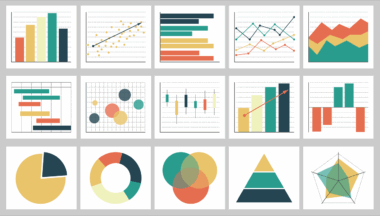
AI-driven dashboards allow for enhanced visualization of complex data. Organizations harness these tools to make informed strategic decisions. By employing advanced data visualization techniques, businesses can clearly present their insights. Moreover, the integration of AI empowers users to manipulate data dynamically, enabling customization of reports based on immediate needs. Features like drag-and-drop functionality make it effortless to tailor dashboards. This user-friendly aspect significantly boosts adoption rates among employees. Furthermore, AI can suggest the most relevant metrics to display, ensuring that stakeholders access key performance indicators with ease. Additionally, the intelligence built into these systems promotes storytelling through data, as narrative arcs can be visualized alongside analytical outcomes. With robust visualizations, stakeholders can engage with the data in a more profound manner. They can analyze contributors and assess potential impacts of decisions in real time. This capability is particularly vital in fast-paced industries where timing can make or break a deal. By bringing analytical insights to the forefront, AI-driven dashboards help organizations stay agile, adapting their strategies to ever-changing market dynamics.
The Role of Machine Learning
Machine learning plays a pivotal role in advancing business analytics dashboards. By tailoring AI algorithms to specific business contexts, organizations can refine their analytical capabilities. Machine learning algorithms continuously learn from newly inputted data, allowing for ongoing improvement of predictive analytics. As these models evolve, they become adept at recognizing nuances in data, often identifying correlations unseen to the naked eye. As a result, organizations can make better forecasts, leading to improved outcomes in areas like sales, inventory management, and customer experiences. This proficiency not only enhances operational efficiency but also ensures better resource allocation. Moreover, seamlessly integrating machine learning into existing dashboards provides a competitive edge. Companies can rapidly respond to trends and shifts in consumer behavior, thus optimizing their strategies. Predictive analytics supported by machine learning allows businesses to be proactive rather than reactive. This often results in improved customer satisfaction, as understanding their needs actively leads to personalized experiences. Overall, incorporating machine learning into business dashboards significantly enriches the decision-making process, driving companies toward sustained success.
A major challenge in business intelligence lies in data quality and integrity. Without accurate data, even the most sophisticated AI algorithms can lead to erroneous conclusions. Organizations must prioritize data governance, ensuring high standards of quality. This can involve establishing clear protocols for data entry and maintenance. Additionally, organizations need to invest in regular data audits to mitigate errors that might arise. Effective data management strategies also contribute significantly to user trust in AI-driven insights. When business stakeholders trust the data, they are more inclined to act upon the insights provided by dashboards. Furthermore, organizations should encourage a culture of data literacy among their employees. Training programs focused on understanding data usage and interpretation help maximize the investments made in analytics tools. This empowerment transforms employees into informed decision-makers, capable of using dashboards independently. By focusing on data quality and literacy, companies not only leverage AI effectively but also foster a collaborative atmosphere. This collaboration among teams ultimately enhances overall business performance, leading to significant competitive advantages. As organizations continue to navigate complex landscapes, the importance of robust data governance becomes increasingly critical.
Automation and Reporting Efficiency
Automation is another significant benefit arising from AI in business analytics dashboards. By automating routine reporting tasks, organizations can liberate employees from manual data entry and analysis responsibilities. This shift enables teams to focus on higher-value activities that require human insight and creativity. The result is not only improved efficiency but enhanced job satisfaction among employees. An automated dashboard can automatically pull real-time data from various sources, generating reports without human intervention. This capability allows for timely insights to be delivered to stakeholders, facilitating quicker decision-making processes. Moreover, AI can assist in scheduling regular reports, ensuring that key performance indicators are continually monitored. The innovative potential of AI provides organizations with the tools to enhance their reporting efficiency significantly. The agility provided by automation empowers teams to pivot strategies as necessary, responding to new opportunities or challenges swiftly. Furthermore, automated alerts can notify management of significant deviations in performance metrics, prompting immediate investigation. Overall, the integration of automation in dashboards not only enhances productivity but reinforces a culture of proactive management across the organization.
Enhanced security is a notable advantage of utilizing AI within business analytics dashboards. Organizations often manage sensitive data that requires protection from unauthorized access and misuse. AI can bolster security protocols by monitoring user access patterns continuously. By employing advanced algorithms, suspicious activities can be flagged in real time, facilitating immediate responses. Additionally, AI helps in implementing comprehensive access controls, ensuring only authorized personnel can view sensitive information. Machine learning can also analyze historical incidents to predict future vulnerabilities, allowing organizations to strengthen their defensive measures proactively. Furthermore, securing dashboards ensures compliance with industry regulations, safeguarding organizations from potential legal repercussions. Regular updates and maintenance of security features should be part of the overall strategy for managing AI integrations. Collaboration between IT security teams and business analytics can enhance the frameworks needed for robust protections. This partnership ensures that analytics capabilities are not sacrificed for security concerns; instead, they work in tandem. Organizations that prioritize security alongside innovation can harness the full potential of AI while maintaining user trust. Ultimately, enhanced security provides the confidence needed for leveraging vital business insights.
Future of AI in Business Analytics
The future of AI in business analytics dashboards appears promising, with continued advancements on the horizon. As technology evolves, organizations can expect to see enhanced functionalities becoming standard in analytics tools. These developments may include advanced natural language processing capabilities, allowing users to interact with dashboards using conversational language. This innovation can democratize access to data insights, enabling even non-technical staff to derive meaningful conclusions. Additionally, the terabytes of data organizations generate will continue to compound, necessitating smarter algorithms for efficient processing. The integration of cloud technology alongside AI can facilitate real-time data updating and sharing, enhancing collaboration within organizations. Furthermore, data visualization techniques will likely become more sophisticated, with immersive experiences such as augmented reality set to transform dashboard interactions. Businesses must adopt these advancements to stay competitive in a rapidly changing landscape. With increased reliance on data-driven decisions, the role of AI is becoming ever more central. By investing in AI-powered solutions today, organizations pave the way for a future where insights drive innovation and success.
In conclusion, integrating AI into business analytics dashboards is a strategic move for organizations looking to thrive. The ability of AI to quickly analyze large datasets offers significant advantages, such as improved decision-making and operational efficiency. Through enhanced visualization and machine learning capabilities, teams can leverage insights effectively. Furthermore, addressing data quality, empowering employees, and embracing security measures remain vital aspects of successful implementation. Automation streamlines processes, leading to increased productivity and satisfaction among team members. The continued evolution of AI technologies promises exciting developments that will further enhance dashboards in business environments. As companies navigate complexities in their industries, leveraging AI becomes essential in transforming data into actionable insights. Ultimately, organizations that invest in the future of analytics will position themselves to not only survive but excel in a competitive marketplace.