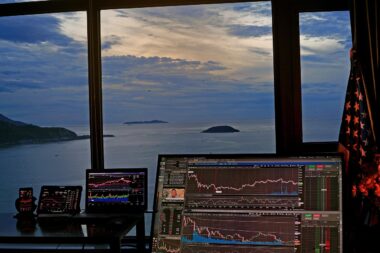

Mitigating Overconfidence Through Mindfulness and Self-Awareness Practices
Overconfidence in trading is a prevalent bias affecting many market participants. It generally leads to overly optimistic evaluations of one’s trading abilities, which can subsequently result in excessive risk-taking. Traders often ignore market signals, overestimate their knowledge, and underestimate potential losses. Such behaviors lead to irrational decision-making, where one might hold losing positions longer than necessary, thinking they will recover. This mindset often brings catastrophic financial consequences, leading to despair. Therefore, recognizing and acknowledging this propensity is crucial for improving trading outcomes. Implementing mindfulness can help this situation. Mindfulness can lead to heightened self-awareness and can mitigate impulsive decisions triggered by overconfidence. This practice encourages traders to pause and reflect, assessing their thought processes before making trading decisions. Moreover, it cultivates an attitude of humility and openness, allowing one to recognize their limitations. Additionally, mindful training can promote emotional regulation, ensuring that stress from trading does not cloud judgment. The combination of self-awareness practices and mindfulness can foster a healthier trading mindset, leading to improved performance and better risk management strategies in the market. Traders should prioritize these practices for long-term success.
The Role of Mindfulness in Trading
Mindfulness practices can greatly impact a trader’s psychological state. By focusing on the present moment, traders can disengage from unproductive thoughts and emotional disturbances. Engaging in mindfulness exercises, such as meditation or deep-breathing techniques, can create a mental buffer against the pressures of trading. Research suggests that a mindful approach can lead to enhanced focus, clarity, and emotional intelligence, key factors necessary for effective trading. When traders develop their mindfulness skills, they become more attuned to their mental and emotional responses, ensuring that overconfidence does not dictate their behavior. Moreover, establishing a consistent mindfulness routine can help in managing stress levels associated with market volatility. This proactive approach can encourage traders to remain grounded, enabling better decision-making. Mindfulness can also improve one’s ability to recognize when patterns of overconfidence arise, serving as a trigger for recalibrating one’s trading strategy. In tandem, these practices can lead to more disciplined trading, as traders learn to step back when feeling overly confident. Embracing mindfulness is therefore not just beneficial; it’s essential for any trader seeking sustainable success and mental well-being in the high-stakes world of trading.
In addition to mindfulness, implementing self-awareness practices plays a significant role in combating overconfidence. Self-awareness involves understanding your thoughts, emotions, and behaviors regarding trading. It encourages traders to critically evaluate their past decisions and outcomes, fostering a deeper understanding of their strengths and weaknesses. Keeping a trading journal can be an effective self-awareness tool. By documenting emotions, decisions, and reasoning behind trades, traders can reflect on patterns of overconfidence and learn valuable lessons. Such exercises not only improve performance but strengthen accountability. Additionally, seeking feedback from trusted peers or mentors can provide an external perspective. This external insight enables traders to identify overconfidence in their judgments, helping to adjust their approach accordingly. Furthermore, setting realistic trading goals can keep expectations in check, emphasizing more objective measures of success rather than emotional highs. This structured approach reduces the likelihood of falling into the overconfidence trap, as traders will be mindful of their progress within a framework they set themselves. Ultimately, self-awareness fosters personal growth leading to improved decision-making, risk management, and overall trading performance.
Group Mindfulness and Self-Awareness Practices
Participating in group mindfulness sessions can also enhance the effectiveness of individual practices. Trading can be isolating, leading to a significant disconnect from reality fueled by overconfidence. Engaging with other traders allows individuals to share experiences, insights, and strategies, creating a supportive environment for growth. These interactions can reveal blind spots and provide an essential reality check, fostering honesty and humility in discussions about trading practices. Additionally, group mindfulness sessions often include guided meditations specifically tailored to combat overconfidence and emotional turbulence. Such environments help cultivate collective focus and mutual support when dealing with challenging market conditions. It also creates a sense of accountability among peers, making members more likely to adhere to their mindfulness routines. Sharing successes and failures with a community can enhance motivation and create a platform for constructive feedback. This collaborative atmosphere is significant in risk management, as traders learn from each other’s experiences. Combining mindfulness and self-awareness in a group setting can fortify individual efforts and promote a healthier approach to trading. Group practices can yield profound benefits, promoting a well-rounded trading mindset that emphasizes growth and learning.
Developing a routine that incorporates both mindfulness and self-awareness practices is essential for cultivating long-term success in trading. Start by allocating specific times for mindfulness exercises, ensuring consistency in practice. This can range from morning meditations to daily reflections after trading sessions. Differentiating between trading activities can enhance focus, promoting a more mindful approach to each task. Incorporating a self-awareness component, such as journaling, can complement mindfulness routines; write down reflections at the end of each day to track progress. This record will help identify triggers that may lead to overconfidence or emotional distress. Additionally, establishing a feedback loop is essential; share reflections with a trading community or mentor for outside insights that may reveal biases. Another effective strategy is visualizing trading scenarios before executing any moves, which prepares the mind for various outcomes and reduces impulsivity. Encourage the openness to learn from mistakes rather than focusing solely on successes. These strategies create a well-rounded approach that balances both mindfulness and self-awareness, helping traders develop a healthier relationship with their trading practices. Adopting such routines is not merely beneficial but transformative for sustainable trading performance.
Long-Term Benefits of Mindfulness and Self-Awareness
Emphasizing mindfulness and self-awareness in trading offers lasting benefits beyond immediate performance improvements. These practices can cultivate resilience, allowing traders to maintain composure in turbulent market conditions. Over time, they develop a more profound emotional intelligence, enabling them to navigate the complexities of the financial markets with a balanced outlook. Mindful traders often exhibit greater empathy and understanding, instrumental for teamwork and collaborative efforts in trading. This can lead to building stronger relationships with other traders and contributing to a supportive trading community. Furthermore, the self-awareness gained diminishes the impulsivity often triggered by overconfidence, resulting in more informed decision-making. It encourages a continuous learning attitude, vital for adapting to ever-changing market dynamics. Traders who embrace these practices tend to exhibit patience, prioritizing well-grounded strategies over quick wins. This gradual shift fosters an understanding of market cycles and an appreciation for systematic approaches. Ultimately, investing in mindfulness and self-awareness leads to more sustainable trading habits, better mental health, and ultimately culminates in greater enjoyment of the trading journey. These lasting advantages extend beyond the trading floor, enriching traders’ overall lives by fostering a balanced and grounded approach.
In conclusion, combating overconfidence in trading is essential for achieving successful outcomes and preserving mental well-being. The integration of mindfulness and self-awareness practices serves as a powerful antidote to the biases and emotional turbulence that often accompany market participation. By fostering a proactive stance towards mental health, traders can cultivate greater clarity and focus, creating a more disciplined approach to their trading strategies. The journey towards improved trading practices necessitates both individual commitment and community support; thus, fostering environments that encourage open dialogue and shared experiences is vital. Remember, the road to overcoming overconfidence is gradual, requiring patience and diligence. As traders incorporate these practices into their daily routines, they may find that their trading performance, emotional resilience, and overall satisfaction improve consistently. The key lies in developing a sustainable mindset that appreciates the complexities of the market while remaining grounded and realistic. Ultimately, embracing mindfulness and self-awareness translates to enriched experiences, fostering long-term growth in the trading arena and beyond. Investing in this personal growth is not merely an option but rather a necessity for sustained success in the highly competitive world of trading.
Resources for Mindfulness and Self-Awareness
There are numerous resources available to help traders cultivate mindfulness and self-awareness. Apps like Headspace and Calm offer guided meditations and mindfulness exercises tailored for busy schedules. These apps can integrate seamlessly into daily routines, making it easier for traders to dedicate time to their mental health. Furthermore, online courses and workshops focusing on mindfulness practices are widely accessible, often providing strategies specifically designed for traders. Engaging with literature on behavioral finance can also be beneficial; books like “The Psychology of Trading” by Dr. Brett Steenbarger offer insights into the psychological challenges traders face. Additionally, connecting with trading mentors who emphasize psychological resilience can provide personalized advice tailored to individual trading styles. Joining forums and communities focused on mindfulness and trading can further enhance the learning experience through shared insights and collective growth. Embracing these resources allows traders to develop a comprehensive toolkit for managing overconfidence and other biases effectively. Ultimately, these strategies can facilitate not just improved trading outcomes but also a healthier, more sustainable approach to the trading landscape.