
How to Implement Robust Endpoint Security for Banking Devices
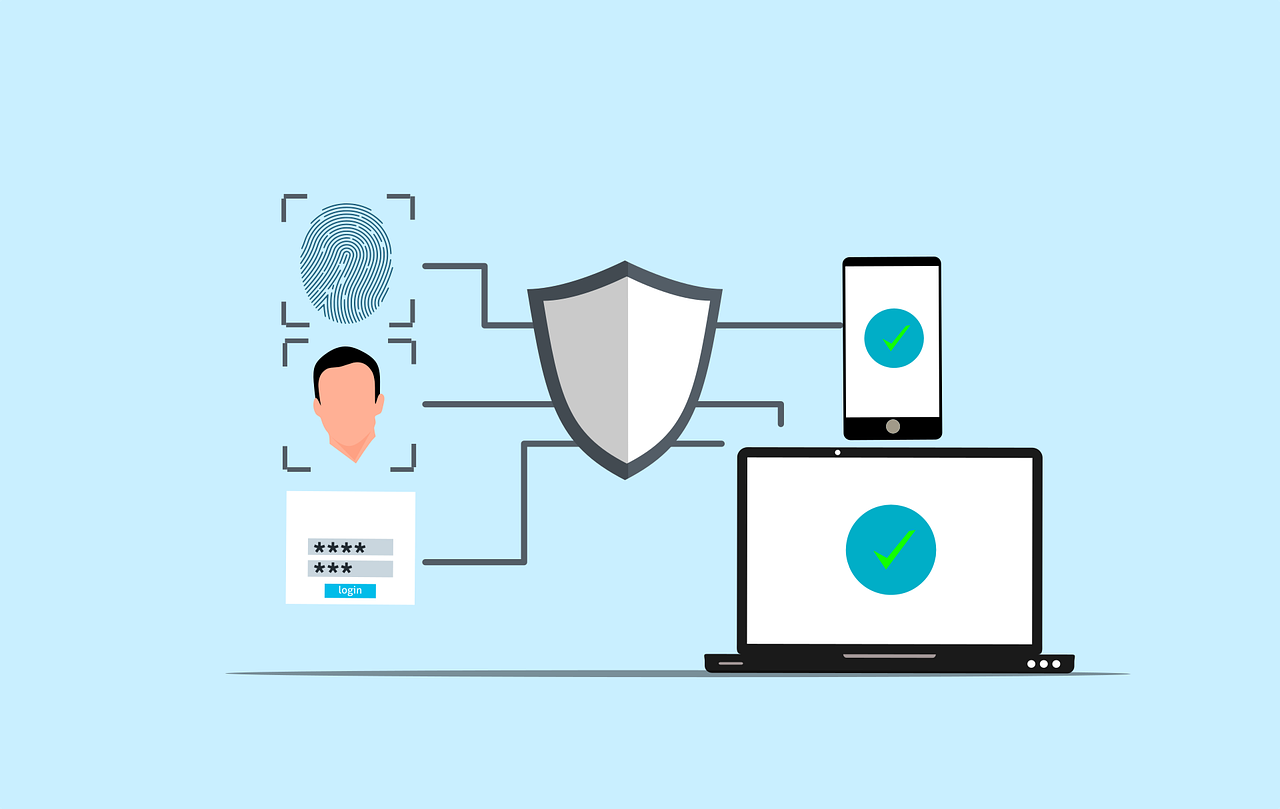
In today’s financial landscape, endpoint security has become a crucial aspect for safeguarding sensitive information in banking devices. Financial institutions often face an array of cyber threats, making it imperative to adopt dynamic security strategies. Endpoint devices, including ATMs, point-of-sale systems, and mobile banking applications, are frequently targeted due to their accessibility and the sensitive data they handle. Therefore, implementing a robust endpoint security solution is essential for protecting these devices from various attacks. Employing encryption for sensitive communications ensures that data transmitted between endpoints is secure. Additionally, regularly updating security patches is vital in mitigating vulnerabilities that adversaries may exploit. One effective strategy involves deploying endpoint detection and response (EDR) solutions that enable real-time monitoring and threat identification. By establishing strict access controls and multi-factor authentication, banks can further enhance security measures. Educating employees on best practices surrounding data privacy is also essential, as human error often contributes to security breaches. Continuous security audits and assessments will help in maintaining a strong security posture, empowering banks to protect their assets against evolving cyber threats.
Furthermore, integrating advanced threat intelligence can play a significant role in enhancing endpoint security. Fintechs are increasingly leveraging machine learning algorithms to analyze behavioral patterns and detect anomalies in user activities. This proactive approach allows financial institutions to identify potential threats before they escalate into significant breaches. Segmenting networks by creating isolated zones for critical assets can also limit attackers’ access to sensitive data, reducing the impact of a potential breach. Regularly conducting penetration testing is invaluable, as this simulates real-world attack scenarios to expose weaknesses in a bank’s security framework. Investing in comprehensive employee training programs will ensure that staff is well-informed about evolving security threats and protocols. Additionally, consider implementing a zero-trust framework, which assumes that threats can originate from both external and internal sources. Data loss prevention (DLP) strategies are necessary to monitor, detect, and block unauthorized data transfers. Furthermore, assessing third-party vendors is crucial, as many breaches stem from vulnerabilities in their systems. A thorough vetting process will ensure that external partners adhere to your security standards.
Key Technologies for Endpoint Security
The integration of key technologies is vital for reinforcing endpoint security measures within banking devices. Utilizing endpoint protection platforms (EPP) can provide comprehensive security through antivirus programs, firewalls, and intrusion detection systems. EPP solutions automatically respond to potential threats, ensuring the continuous availability of banking services. Additionally, implementing virtualization technology can create isolated environments for running potentially harmful applications, reducing the risk to the main system. Cloud-based security solutions are also beneficial, as they can scale to accommodate growing data needs and manage multiple endpoints effectively. The use of biometrics for authentication enhances security substantially, as physical characteristics cannot be easily replicated by malicious actors. Moreover, machine learning analytics can facilitate the detection of sophisticated threats through automated responses, allowing security teams to focus on critical issues. Incorporating honeypots throughout the network can mislead attackers and provide valuable insights into their tactics. All these technologies work synergistically to create an impenetrable barrier against a diverse range of cyber threats. Regularly reviewing and updating technology strategies is essential to adapting to the ever-changing threat environment.
Moreover, operational resilience should be a core component of any endpoint security strategy. Developing incident response plans ensures that financial institutions can swiftly recover from a breach while minimizing disruption to services. Regularly testing these plans is essential for just-in-time preparedness; organizations must be ready to act immediately when a security incident occurs. Moreover, collaboration between IT security teams and other departments is crucial. Establishing cross-functional teams that focus on security initiatives can foster a culture of security within the organization. Communicating regularly about potential threats and security strategies will build awareness among employees, driving behavioral change towards compliance. Additionally, adopting risk assessment methodologies can help organizations identify their most critical assets and prioritize security measures accordingly. This approach ensures that resources are allocated effectively, targeting the highest risk areas. Regular audits will verify compliance with industry regulations and internal policies while allowing proactive adjustments to security measures. Furthermore, keeping stakeholders informed about security measures and policies strengthens trust with clients and the market, ensuring customers remain confident in the organization’s capabilities.
Challenges in Implementing Endpoint Security
Implementing robust endpoint security solutions is fraught with challenges, especially in the finance sector. One significant issue is outdated legacy systems that cannot support advanced security measures. Financial institutions must balance maintaining these systems while upgrading their infrastructure to address modern cyber threats. Additionally, the constant evolution of cyber-attacks presents a challenge, as attackers develop new techniques to bypass existing security protocols. Keeping up to date with threat intelligence is vital to counter these efforts effectively. Furthermore, the rapid deployment of mobile and remote banking solutions requires consistent security postures across different platforms. This increases the complexity of managing endpoint security, as each device may require tailored security measures. Additionally, budget constraints may limit organizations’ ability to invest in cutting-edge technologies, making it imperative to prioritize security spending effectively. Integrating multiple security solutions can also lead to operational inefficiencies, as too many disparate systems may confuse the security framework rather than reinforce it. Consequently, a holistic and streamlined security strategy that encompasses all aspects of banking devices is necessary to tackle the ever-changing landscape of cybersecurity risk.
Furthermore, maintaining compliance with regulations and standards is an ongoing challenge within the financial sector. Institutions must navigate various mandates, including GDPR, PCI DSS, and other international regulations that govern data protection and privacy. Failing to comply with these regulations can result in severe penalties that affect the organization’s financial standing and reputation. Employees should receive comprehensive training on compliance requirements related to data security, ensuring they understand their roles in safeguarding sensitive information. Additionally, financial organizations face the issue of third-party risk as they often rely on cloud service providers and fintech solutions. These external partners can introduce vulnerabilities if their security measures do not align with the institution’s standards. Conducting thorough due diligence on third-party vendors is essential to minimize this risk, ensuring their security practices meet stringent criteria. Regular audits and assessments of third-party solutions help identify and mitigate potential hazards, reinforcing endpoint security across the board. Collaborative efforts in sharing threat intelligence with industry peers can also enhance the security landscape, allowing organizations to stay informed about emerging threats and attack vectors.
Future Trends in Endpoint Security
Looking forward, several trends are shaping the future of endpoint security in the finance sector. The adoption of artificial intelligence (AI) and machine learning is set to redefine how organizations respond to security threats. Predictive analytics will empower financial institutions to anticipate potential attacks before they occur, improving their overall security posture. Additionally, the growing trend towards automation of security processes is leading to more efficient incident response capabilities. Automated responses minimize the time taken to mitigate threats, ensuring that organizations can maintain high levels of operational performance amid potential breaches. Furthermore, the rise of Internet of Things (IoT) devices in banking introduces unique security challenges, as more endpoints become interconnected. Establishing standardized security protocols for IoT endpoints will be essential to safeguard sensitive financial data. The integration of distributed ledger technology (DLT) also promises enhanced security through transparent and tamper-proof transaction records. Moreover, the increasing emphasis on user awareness and training will be critical, as the human factor remains one of the weakest links in security. Organizations are likely to invest more in comprehensive training programs that extend beyond the technical team to all employees, fostering a culture of security across the institution.
In conclusion, implementing robust endpoint security measures for banking devices is a multifaceted challenge that requires a holistic approach. Financial institutions must prioritize investments in advanced security technologies and proactively adapt strategies to counter evolving threats. Continuous employee education and awareness are paramount, as human error can significantly compromise security measures. Collaboration between departments will create a cohesive security framework that can effectively respond to security incidents. Emphasizing operational resilience will equip organizations with the tools necessary to recover from breaches swiftly. Moreover, maintaining compliance with regulatory requirements ensures that financial institutions uphold public trust while mitigating risks. Regular assessments of third-party vendors help strengthen the security environment, ensuring that external partnerships do not introduce vulnerabilities. Looking towards the future, the integration of AI technology and predictive analytics will redefine threat response capabilities, allowing financial institutions to remain ahead of potential attacks. Continuous monitoring and adapting to the changing landscape of cybersecurity are crucial for long-term success. Ultimately, fortified endpoint security will reduce the risk of breaches while protecting sensitive financial information from cyber threats.