
Navigating Real Estate Planning During Divorce
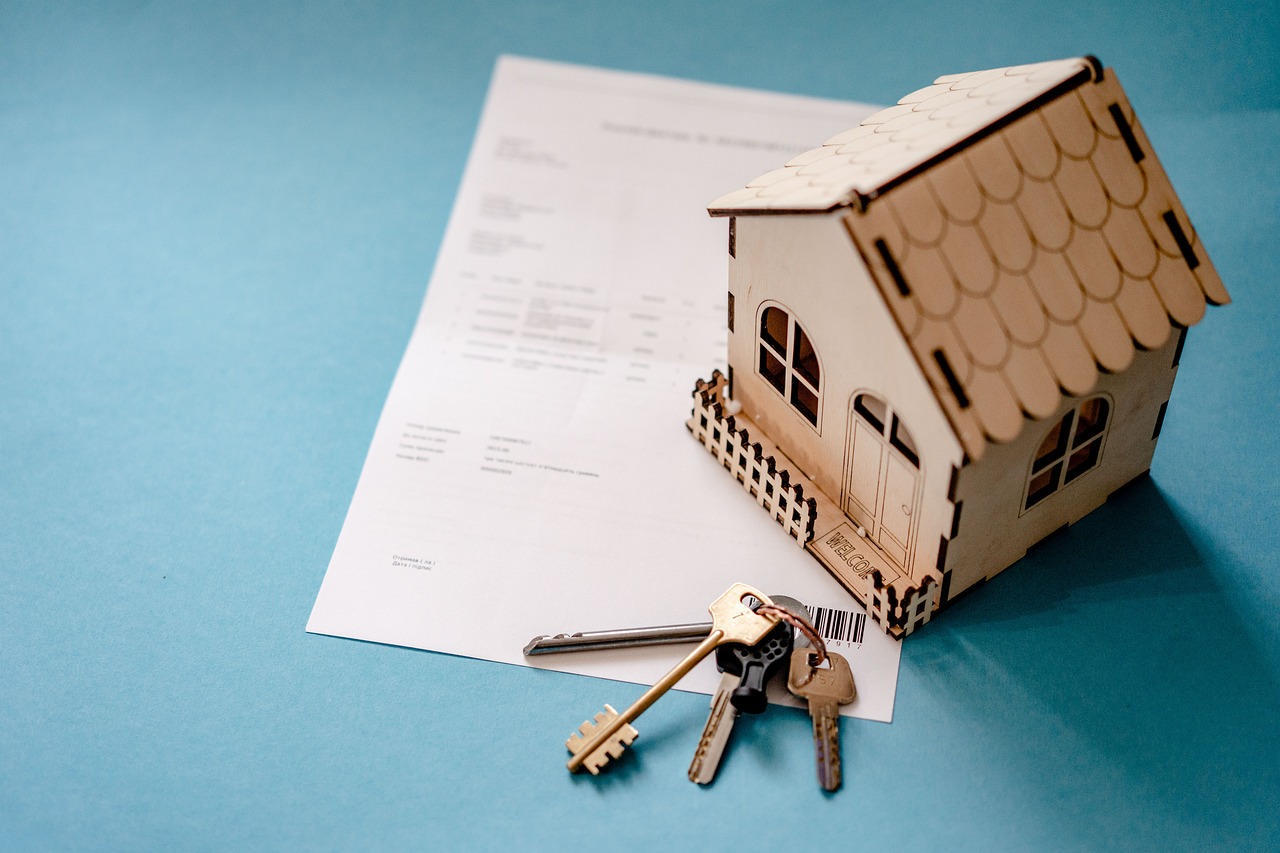
Divorce can complicate real estate planning, particularly when substantial assets are involved. Couples often face the daunting task of deciding how to divide shared properties, whether they will be sold or retained by one party. The process requires clear communication and mutual understanding regarding financial goals and responsibilities. It’s advisable to avoid letting emotions govern decisions concerning properties. Couples should seek guidance from both real estate professionals and divorce attorneys to navigate this challenging phase. An accurate appraisal of the property value is crucial to ensuring an equitable division of assets. Seeking third-party evaluations can provide an unbiased perspective on property worth, which aids negotiations. Frequent discussions about the implications of retaining or selling properties are vital for minimizing conflict and confusion. Furthermore, understanding potential tax consequences is essential to avoid financial pitfalls post-divorce. Solid planning now can lead to better financial security later. In summary, take the time to delineate expectations and strategize collectively to reduce the emotional strain associated with dividing real estate assets during a divorce.
Focusing on allowing each party sufficient time and space to express concerns regarding asset division can alleviate tension. Engaging in mediation can prove beneficial to maintain a collaborative atmosphere, emphasizing solutions that satisfy both parties. It is essential to prioritize transparency throughout the process to build trust and foster cooperation. Setting clear timelines for appraisals and discussions will help create a structure that minimizes drawn-out negotiations. Couples should also consider the possible impact on children, and how the division of assets might affect their living situation and overall stability. Considering their future needs can help couples make more informed decisions regarding properties. Drawing from both parties’ financial situations, including outstanding mortgages and other debts, is crucial in making fair decisions. It’s vital to consult with professionals, such as certified financial planners and real estate agents, to explore various options. Each party’s financial abilities and responsibilities should be assessed comprehensively. Additionally, discussions should extend beyond immediate asset division, considering long-term implications of property ownership and how that should influence separation agreements.
Effective Communication and Transparency
Transparency becomes imperative when couples address real estate assets during a divorce. Maintaining open lines of communication can facilitate smoother negotiation processes and promote clarity around dual ownership and financial responsibilities. Start by clearly identifying all real estate properties owned jointly, including vacation homes or investment properties, even if they don’t seem to be immediately relevant. Understanding the full scope of shared assets provides critical context for how properties can be divided equitably. When disagreements arise, consider utilizing a mediator who specializes in family law to assist in fostering constructive dialogue. Emotional discussions can escalate tensions, but a skilled mediator helps keep conversations productive and centered on mutual goals. Focus on shared future goals for yourself and your children, minimizing detrimental disputes over assets. It’s also essential to communicate with legal representatives about intentions and any agreements reached during negotiations. Keeping everyone in the loop reduces misunderstandings over terms and expectations. Ultimately, establishing a foundation of trust and clear communication enables the equitable division of properties and contributes to the overall success of the divorce process.
Establishing a clear timeline can assist in maintaining momentum throughout the planning process. Couples should set deadlines for key decisions and consider creating a shared document that outlines responsibilities. This document should include critical dates related to property sales, appraisals, and any legal filings required throughout the divorce. Each individual must understand their role in the real estate division process, which can further facilitate efficient and timely progression. When appropriate, seek guidance from experienced real estate agents who can provide invaluable insight during this transition. They may offer advice on current market conditions, help strategize optimal sale timings, and suggest home improvement tips that can increase property value. As homes sell or one party takes possession, continual communication is vital. Establish post-divorce expectations surrounding property maintenance and financial responsibilities to minimize disputes later on. This level of foresight creates a cooperative environment where both parties are mutually accountable. Understanding fluctuations in real estate markets can help secure favorable outcomes during property sales. Thoroughly documenting agreements reached can aid in protecting both parties should disputes arise later concerning asset divisions or responsibilities.
Legal Considerations in Real Estate Division
The legal aspects of dividing real estate in a divorce can be intricate and require careful navigation of local laws. Each state has distinct regulations regarding asset distribution, necessitating thorough research or expert guidance. Engaging an attorney with experience in family and real estate law can significantly benefit couples seeking a fair division of property. This representation is critical in understanding the implications of marital vs. separate property and how it affects the overall distribution. Couples should also document all assets, provide evidence of ownership, and list debts associated with properties. This comprehensive documentation is crucial in ensuring a just evaluation. Understanding local laws governing property taxes post-divorce can prevent unexpected financial burdens. Real estate negotiations should also consider spousal support or alimony; decisions about properties can potentially influence those agreements. Couples may also explore options for buyouts, where one spouse buys the other’s share of the property, allowing them to maintain ownership while respecting both parties’ rights. Ultimately, ensuring legal diligence during negotiations protects both parties and leads to smoother transitions post-divorce.
Investment properties might require additional consideration, as their income-generating nature can complicate asset division. Couples should assess how to handle rental properties, including tenant relationships and ongoing responsibilities, in addition to the property’s market value. This comprehensive evaluation must also consider any potential capital gains taxes that may arise from selling these properties. Ensuring fair compensation for such income-generating assets involves transparent discussions grounded in the current rental market conditions. Consulting with a real estate investment expert may provide clarity on maximizing income and understanding risks involved in maintaining or selling these properties. It is important to prioritize discussions about potential liabilities tied to properties, ensuring an equitable division that reflects the current financial states of both parties. Couples might also discuss the option of co-managing investment properties post-divorce, allowing both parties to benefit financially while minimizing emotional conflicts. By establishing clear operational roles, expectations regarding future investments can be communicated openly. Planning beyond the divorce period fosters cooperative relationships and secures long-term mutual benefits regarding these assets.
Final Considerations for Post-Divorce Real Estate Planning
Once the immediate concerns of asset division are resolved, it’s essential to revisit long-term real estate plans. Couples should reassess their property ownership and work towards planning for future acquisitions or developments independently. Having a clear understanding of individual financial situations becomes important to inform future decisions regarding property investments. Individuals should consider their credit profiles and how they impact future borrowing potential and property acquisition. Engaging financial advisors can aid in developing a sound strategy that focuses on sustainable growth post-divorce. Also, consider whom to work with regarding insurance and maintenance for any properties retained after the divorce. Establishing personal financial goals allows both parties to transition smoothly into their new lives and ensures that real estate planning aligns with future aspirations. Each person can benefit from revisiting their goals after finalizing divorce proceedings as life circumstances can evolve. Understanding the implications of a new property acquisition process can further enhance future stability. Overall, strategic planning post-divorce is just as important as managing the real estate division during the divorce proceedings, creating a stable foundation moving forward.
Divorce triggers significant changes, hence, regular updates to estate plans should not be ignored. Revisiting wills, trusts, and other legal documents ensures that asset distribution aligns with one’s needs post-divorce. Outdated estate planning documents may pose complications later, so it is vital to have these reviewed promptly. Legal experts can advise on adjustments needed to reflect current relationships after divorce, which might include removing an ex-spouse as a beneficiary or executor. Assessing how these documents impact real estate holdings is equally important, especially if properties involve shared ownership. Establishing new healthcare proxies or power of attorney arrangements may also require attention. Finally, potential remarriage should be reflected in estate plans to provide clarity for future beneficiaries. Engaging in discussions about future estate plans can foster positive communication and help establish fruitful partnerships after divorce. Everyone involved must understand how real estate assets should be allocated to heirs based on altered family dynamics. Addressing these matters ensures comprehensive estate planning, accounting for current realities, and securing a stable transition into a new life chapter beyond divorce.