
How Venture Capital is Advancing Remote Patient Monitoring Technologies
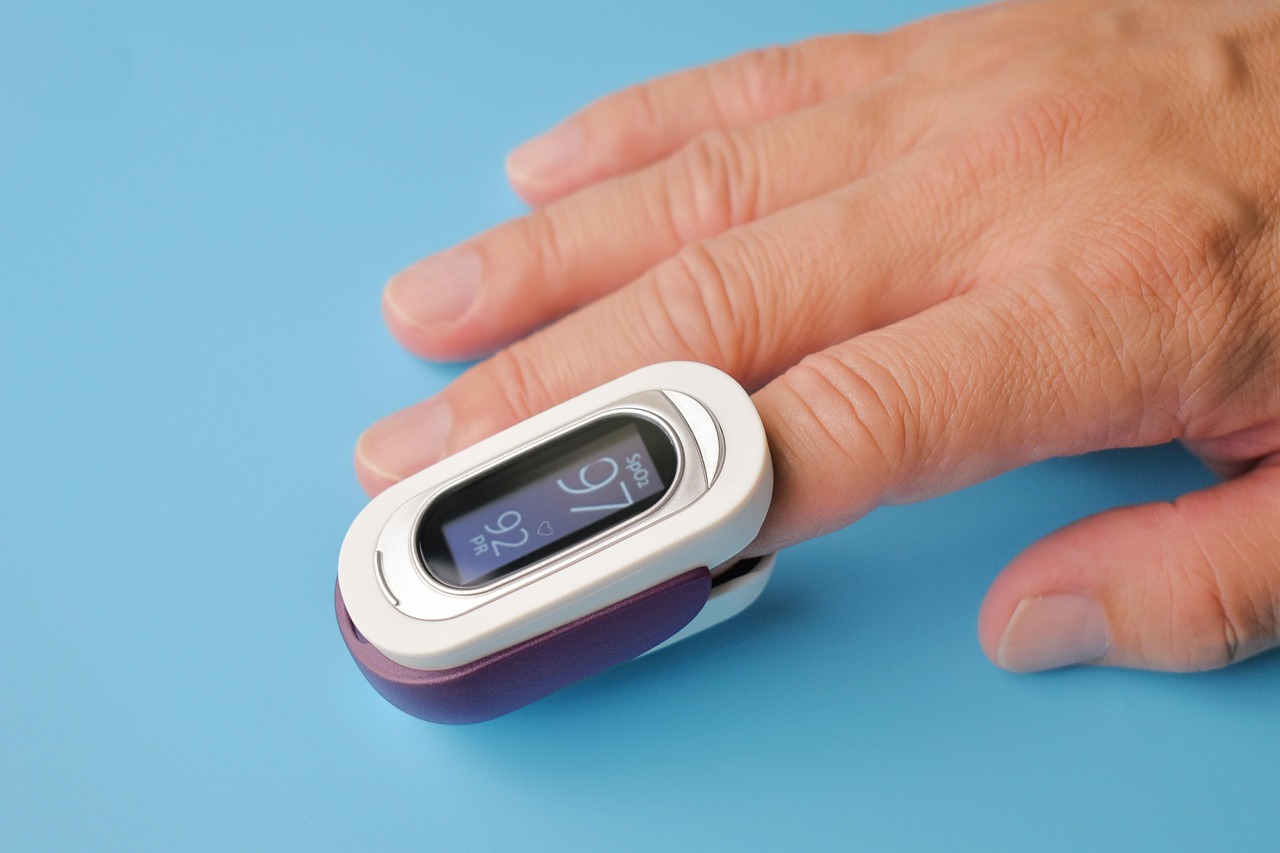
Venture capital (VC) plays a crucial role in advancing healthcare technologies. Especially in the realm of remote patient monitoring (RPM), innovative startups are making waves. RPM enables healthcare providers to monitor patients outside traditional clinical settings. This shift enhances patient care while reducing costs. By investing in RPM technologies, venture capital firms support entrepreneurs aiming to improve outcomes through technology. RPM solutions utilize wearables and mobile applications, enabling real-time data collection. These technologies can track vital signs, medication adherence, and patient engagement. VCs are promising sources of funding for startups focused on developing RPM platforms. These investments are transforming how healthcare services are delivered, with many early-stage companies emerging with strong solutions. Venture capital not only provides financial resources but also mentorship and strategic guidance. Through partnerships with established healthcare entities, startups gain access to valuable resources. Additionally, accelerated development timelines become attainable with sufficient funding. Thus, the healthcare sector benefits from collaboration between VCs and innovative companies. The RPM market is thriving and is projected to see significant growth in the coming years. Venture capital’s involvement significantly shapes this promising area of healthcare.
In the rapidly evolving healthcare landscape, the demand for efficient patient monitoring solutions drives innovation. As the need to improve patient outcomes and reduce costs rises, venture capitalists recognize RPM’s potential. This has led to an influx of capital directed toward startups developing advanced RPM systems. For instance, companies are utilizing AI and machine learning to analyze health data. This analysis helps in predicting potential health issues before they escalate. Investors are keen on startups that leverage Internet of Things (IoT) technologies for real-time monitoring. These technologies empower patients to take proactive roles in their health management. A particular advantage of RPM is its ability to cater to chronic disease patients. These patients require constant supervision, and RPM systems facilitate efficient monitoring from their homes. Remote monitoring not only alleviates the pressure on healthcare facilities but also offers convenience. Patients can connect easily with healthcare professionals, ensuring timely interventions. Venture capital funding boosts technological advancements within this sector. The growth trajectory of RPM technologies is unprecedented, delineating a clear trend of patient-centric healthcare. These innovations herald a new era of efficiency in healthcare, driven largely by venture capital support.
The Role of Technology in Enhancing RPM
Technology serves as the backbone of remote patient monitoring solutions, with numerous advancements shaping their effectiveness. Startups funded by venture capital explore various technological avenues to enhance patient experience and outcomes. Cloud-based platforms facilitate data storage and analysis, allowing healthcare providers to access patient data seamlessly. This access is crucial for informed decision-making and adequate patient management. Moreover, the integration of artificial intelligence (AI) improves predictive analytics within RPM platforms. AI algorithms can detect anomalies in patient data, alerting healthcare providers preventing critical health declines. The implementation of IoT devices ensures constant connectivity and data sharing, further enhancing monitoring capabilities. Device interoperability is also vital, as healthcare professionals work with diverse tech ecosystems. VCs fund initiatives focusing on creating united platforms that ensure data harmonization across devices. Such efforts reduce informational silos and promote comprehensive patient insights. Telemedicine tools complement RPM solutions, facilitating real-time interaction between patients and providers. This synergy encourages ongoing patient engagement, crucial for effective health management. Overall, technology is revolutionizing how remote monitoring is undertaken, showcasing phenomenal growth within the healthcare system, driven by capital investments.
The emergence of regulatory compliance is essential for the growth of RPM technologies. Venture capital firms are mindful of regulations governing medical devices and health technology. Thus, they seek out startups that prioritize compliance in their product developments. By adhering to strict guidelines, these companies can ensure patient data security and privacy protection. Compliance not only safeguards patients but also establishes trust among providers and stakeholders. Additionally, understanding the regulatory landscape fosters smoother market entry for new products. Key regulators continually update guidelines to keep pace with emerging technologies, presenting both challenges and opportunities. Startups equipped with knowledgeable teams can navigate these complexities efficiently. Regulatory approval acts as a competitive advantage in the RPM market, attracting potential partnerships and clients. Moreover, public awareness of data privacy benefits compliance culture within the industry. Venture capital investments are increasingly leaning toward compliant startups. Companies demonstrating a commitment to regulatory standards are more likely to gain investor confidence. Thus, integrating compliance into business strategies becomes paramount. The future of RPM technologies will be influenced significantly by the capacity of startups to excel in a compliant atmosphere, shaping their market success.
The Future of Remote Patient Monitoring
As healthcare continues to undergo significant transformations, the future of remote patient monitoring appears bright. Venture capital investment promises sustained development and technological advancements in the sector. Predictions indicate exponential growth in the RPM market driven by increased patient acceptance and technological integration. More individuals rely on remote monitoring systems to manage their health, thanks to rising awareness and convenience. Innovations in wearable technology and mobile applications entice patients wishing for greater involvement in their healthcare. VCs are likely to finance startups focusing on personalized health solutions, catering to individual needs and preferences. Future RPM systems may include advanced AI, enabling more profound insights into patient health dynamics. This proactive approach to healthcare management emphasizes prevention rather than merely reaction. Furthermore, insurers also recognize the benefits of RPM, which can lead to reduced costs. They are starting to reimburse patients for RPM-related expenses, driving industry adoption. Collaborations between tech firms and traditional healthcare providers will shape the RPM landscape. These partnerships can leverage strengths of both sectors, leading to innovative solutions that improve patient monitoring and management effectiveness significantly.
Investments in remote patient monitoring technologies not only yield financial returns but ultimately improve patient care. Venture capitalists play a pivotal role by bridging capital and innovation gaps. By providing funding and support, they help develop new technologies enhancing patient-provider relationships. This ecosystem encourages startups to innovate continually while addressing key healthcare challenges. A focus on improving healthcare delivery outcomes propels the industry forward, with VCs keen on backing solutions that demonstrate efficacy in real-world applications. Success stories of RPM implementations highlight the effectiveness of these technologies in managing chronic conditions. Patients utilizing RPM tools often report greater satisfaction and enhanced health outcomes. Moreover, reduced hospital readmission rates underscore the effectiveness of timely interventions facilitated by remote monitoring. The success of RPM also elevates awareness about the importance of technology in healthcare. As more patients experience the benefits firsthand, demand for RPM solutions rises. Consequently, this trend fosters a positive feedback loop, encouraging further investments and innovations. Ultimately, the marriage of venture capital with healthcare technology leads to a brighter future for patient monitoring, wherein both financial success and medical advancements coalesce.
Conclusion: The Impact of Venture Capital on RPM
In conclusion, the integration of venture capital into the remote patient monitoring sector brings immense advantages. This fusion propels technological advancements and creates viable business models that can improve healthcare delivery. Startups in the RPM space possess the potential to disrupt traditional healthcare paradigms positively. With the support of venture capital, innovators can navigate initial challenges and scale their solutions effectively. As the healthcare landscape continues to shift, expect to see increased investments in RPM technologies. As these investments bloom, enhanced patient outcomes will likely follow. This indicates a mutual benefit for all parties involved. Patients gain better access to care, while investors see profitable returns. The implications of this growth are far-reaching, promising to transform patient monitoring into a more streamlined and effective endeavor. The exceptional potential of RPM technologies is just beginning to be realized. Continuous collaboration among VCs, technology providers, and healthcare professionals will ensure sustainable development. Ultimately, the venture capital surge encourages a robust ecosystem that nurtures innovation and prioritizes improving patient health. Such advancements solidify the future landscape of healthcare, one that champions efficiency and accessibility.