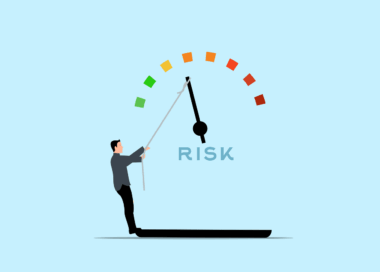

How to Structure Contracts to Minimize Trade Risks
In the realm of international trade, ensuring that contracts are structured effectively can significantly minimize trade risks. The importance of clear agreements cannot be overstated, as they serve as the foundation for transactions and can help avoid disputes. First and foremost, it is essential to clearly define the roles and responsibilities of each party involved. This can prevent misunderstandings and ensure accountability throughout the lifecycle of the contract. Additionally, specifying delivery and payment terms in detail is crucial. Explicit terms regarding the timing, mode of transport, and methods of payment reduce ambiguity and the likelihood of conflicts. Finally, including mechanisms for dispute resolution such as arbitration clauses can provide a structured approach for addressing conflicts if they arise. Both parties should be aware of these mechanisms, making it a fair playing field. This structured approach in contracts can therefore also foster trust among trading partners. In summary, by clearly defining roles, delivery terms, and dispute resolution processes, businesses can mitigate trade risks effectively. This thoughtful structuring ultimately leads to more successful international transactions and long-term partnerships.
Another important component in contract structuring is the inclusion of performance obligations. Clearly stating these obligations helps establish expectations and can significantly mitigate risks associated with non-performance. For instance, specifying quality standards and delivery deadlines ensures each party knows what is expected. Moreover, it allows for easier monitoring of performance throughout the contract period. When performance metrics are included, it becomes easier to assess if a party is adhering to the agreed terms. In addition to performance obligations, it is prudent to consider the implications of currency fluctuations. Contracts should ideally include terms that address the currency in which the transaction will occur and how fluctuations will be managed. This could involve setting fixed exchange rates or utilizing forward contracts to hedge against potential volatility. Such measures not only protect profits but also provide stability in an unpredictable global market. Furthermore, establishing termination clauses based on performance or external factors adds an extra layer of security. Overall, these strategic inclusions create a more robust contract that serves both parties well.
Addressing Risks through Insurance
To further minimize trade risks, incorporating insurance provisions into the contract can be highly beneficial. By specifying that certain types of insurance should be maintained by either party, businesses can secure themselves against potential losses resulting from unforeseen circumstances. For instance, cargo insurance can safeguard against losses or damages during transit, while liability insurance protects against third-party claims related to the contract. Additionally, the inclusion of force majeure clauses in contracts can provide relief from obligations if extraordinary events occur, such as natural disasters or political upheaval. Such clauses ensure that both parties are not penalized for factors beyond their control. When structuring contracts, it is also essential to consider the legal context in which the agreement will operate. Jurisdiction clauses can dictate where any disputes will be addressed, influencing the type of legal framework applicable to the contract. This consideration can have significant impacts on the overall success of the business agreement. Thus, integrating insurance provisions and carefully considering jurisdictional matters acts as additional protections against trade risks.
Furthermore, an ongoing risk assessment mechanism should be embedded within trade contracts to address evolving risks over time. As market dynamics change, so too do the risks. This mechanism can involve regular reviews and adjustments to contract terms as necessary. Having built-in provisions for renegotiation can empower businesses to adapt to new economic realities and shifting trade environments. Additionally, employing technology for contract management can streamline these processes, providing real-time data and alerts. Utilizing tools for tracking obligations, performance metrics, and compliance can drastically reduce the likelihood of oversight. Moreover, this digital approach enables swift communication between parties, fostering transparency and trust. As a result, businesses can manage risks more proactively and respond quickly to opportunities or challenges that arise. Furthermore, maintaining clear lines of communication ensures that both parties are apprised of any changes in circumstances that may impact contract execution. In conclusion, ongoing risk assessment—paired with robust technological support—can greatly enhance the efficacy of contract management in minimizing trade risks.
Legal Considerations and Compliance
Finally, understanding legal considerations and ensuring compliance with international trade laws is critical for effective contract structuring. Each jurisdiction may have its regulations, and it is essential that contracts comply with both local laws and international agreements. Failure to comply can lead to penalties, losses, or even halting of trade operations. Therefore, it’s beneficial to engage legal professionals who specialize in international trade law to review contracts before finalization. They can provide insights into legal implications, regulatory requirements, and any necessary licensing issues that may arise. Additionally, knowing the rules of trade forums, such as INCOTERMS, can lead to better clarity in shipping terms and responsibilities. This understanding not only helps in optimizing logistics but also aids in minimizing potential conflicts. Moreover, staying abreast of shifts in policy, tariffs, and trade agreements is essential. By incorporating compliance checks within the contract lifecycle, businesses can adjust swiftly to any regulatory changes that occur, thus maintaining business continuity and minimizing disruptions. Overall, attention to legal frameworks enhances risk management in international trade contracts while protecting all parties.
In conclusion, structuring contracts effectively to minimize trade risks requires a multi-faceted approach. By comprehensively detailing roles and responsibilities, including performance obligations, and addressing currency fluctuations and insurance needs, businesses can create robust agreements. Moreover, integrating ongoing risk assessment mechanisms and ensuring compliance with legal regulations can significantly mitigate potential issues. Contract standardization can also simplify the negotiation process, making it easier for all parties to understand terms and make informed decisions. Lastly, fostering open communication throughout the contract lifecycle is paramount. Regular dialogue helps to promptly address concerns and adapt to changing conditions, thereby nurturing successful international partnerships. Ultimately, establishing a clear structure within trade contracts not only reduces risks but also paves the way for growth and expansion in the global market. Emphasizing collaboration and transparency can improve relationships among trading partners, facilitating smoother transactions. Therefore, by investing time and resources into effective contract structuring, businesses can enhance their competitive edge and thrive in the complex world of international trade.
The insights and strategies outlined in this article are intended to guide businesses in their approach to contract structuring, ultimately fostering more secure and prosperous international trade relationships. Taking proactive steps to minimize risks through clear agreements can lead to more predictable outcomes and improved trust. Regardless of industry, implementing best practices in trade risk management can benefit businesses of all sizes. Future trends may incorporate more technology and automation in contract management, reflecting the need for efficiency and adaptability. By embracing these changes, businesses can better navigate the complexities of global commerce. Knowledge of trade laws is critical to successful operations; businesses should prioritize education and professional guidance in this area. This focus not only mitigates risks but also empowers organizations to seize opportunities as they present themselves. As the landscape of international trade evolves, the emphasis on strategic contract management will become increasingly vital. In sum, a thorough understanding of trade risks and committed approaches to contract structuring will ultimately enhance the resilience and success of international trade practices.

Effectively managing trade risks through structured contracts is paramount in global commerce. The approach you take in drafting and executing contracts can determine the success or failure of every trade transaction you undertake. Incorporating the best practices discussed throughout this article can lead to resilient relationships and decreased likelihood of conflicts or disputes. It’s important to view contracts not just as legal documents but as essential tools that enable trade. Continuous learning and adaptation will help businesses stay ahead. Understanding your partners, setting clear expectations, and regularly reviewing contract terms will further strengthen your business relationships and frameworks. Staying informed about market conditions, global regulations, and best practices will create a solid foundation for future dealings. In today’s fast-paced international market, adaptability and efficiency will offer a significant competitive advantage. Businesses must commit to ongoing education and reinforcing communication channels. With the right structure, contracts can minimize trade risks and open doors to new opportunities, ultimately leading to successful transactions. This proactive mindset will set enterprises on a path towards sustainable growth and resilience in international trade ventures.